Sourced fact
The News
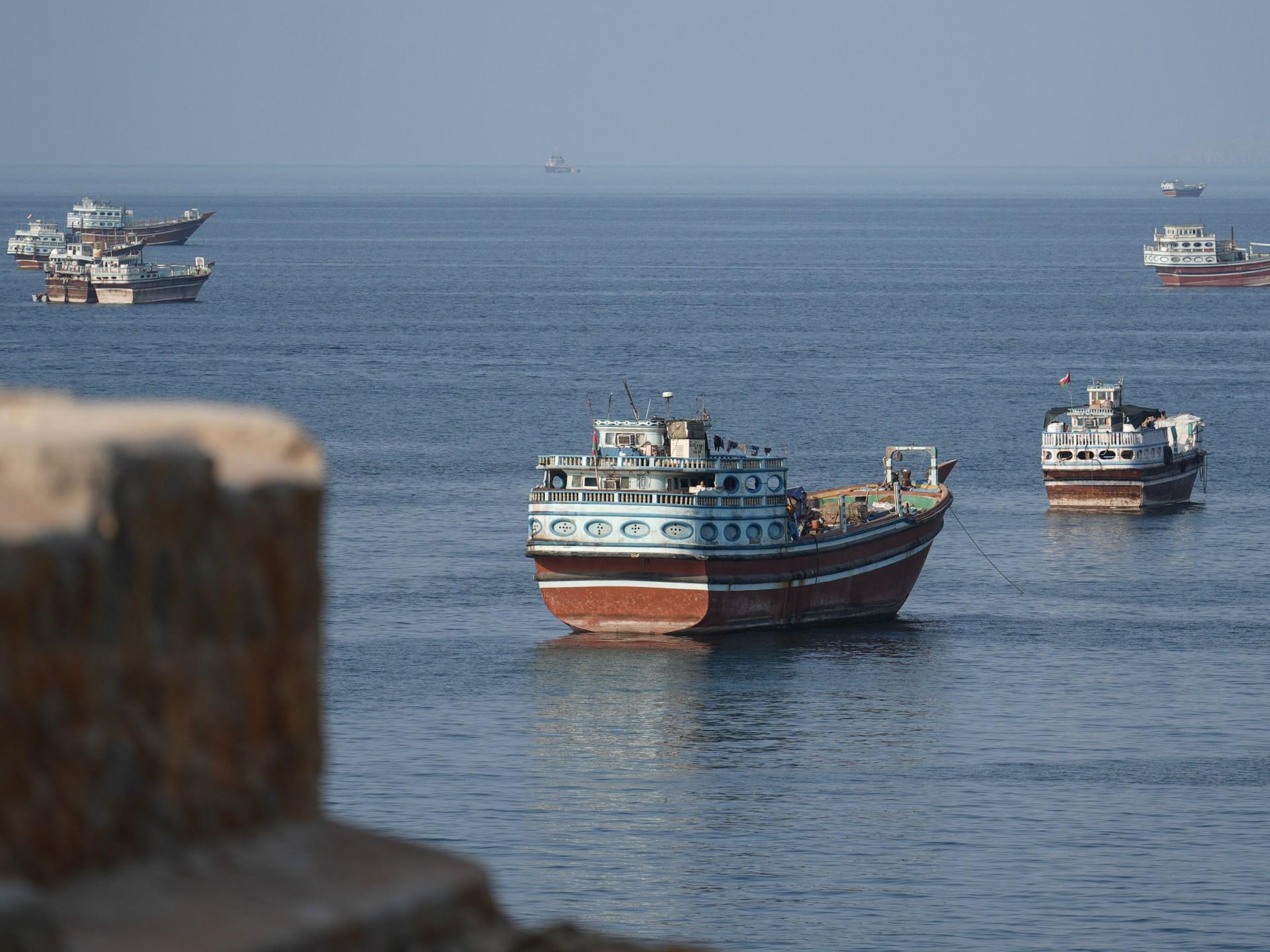
Oil exports from the Middle East have increased to surpass pre-war levels, despite Iran's efforts to obstruct the passage of oil tankers through the Strait of Hormuz. According to provisional data from Kpler, a maritime monitoring firm, oil exports from the region have exceeded their pre-war levels in four days during the last week of September, reaching between 19.5 and 22.5 million barrels per day. Before the war began, exports were around 18 million barrels per day.
Kpler revealed a potential reason for the rise in exports: Gulf states may be paying Iran fees to allow their oil to transit through the strait. Michelle Brohard, Kpler's head of policy and geopolitical risk, stated in an interview with energy analyst Rory Johnston, "I believe there are fees being paid to allow ships to pass safely." She added that these countries are aware that this situation is unsustainable in terms of costs and risks.
Although this hypothesis has not been independently verified, it raises questions about the future of the war and its impact on oil prices. Brohard noted that the countries are trying to export as much as they can before the war resumes. Meanwhile, reports suggest that the Iranian Revolutionary Guard Corps has imposed a fee system on ships passing through the strait since March.
Despite the rise in oil prices, they have recently decreased slightly due to the increase in exports from the Middle East. Brent crude oil was priced at approximately $101.59 per barrel on Monday, while West Texas Intermediate crude oil fell to around $90.05. Susan Strittmatter, chief investment analyst at Wealth Club, noted that the situation remains tense with ongoing concerns about the possibility of renewed tensions in the strait.
Analysis & context
Analysis & Context
From an analytical perspective, the possibility of paying Iran fees for oil transit through the Strait of Hormuz points to complex geopolitical developments in the region. These fees serve as a means to ensure maritime security and generate financial gains for Tehran amid ongoing tensions.
In a broader context, these developments influence global oil prices. While oil exports have recently risen, there is still concern about the continued security of vital maritime routes such as the Strait of Hormuz.
It is also worth noting that international law protects the right of passage through international maritime straits, making the imposition of official fees illegal. However, non-official mechanisms may be used to ensure the security of oil shipments.