Sourced fact
The News
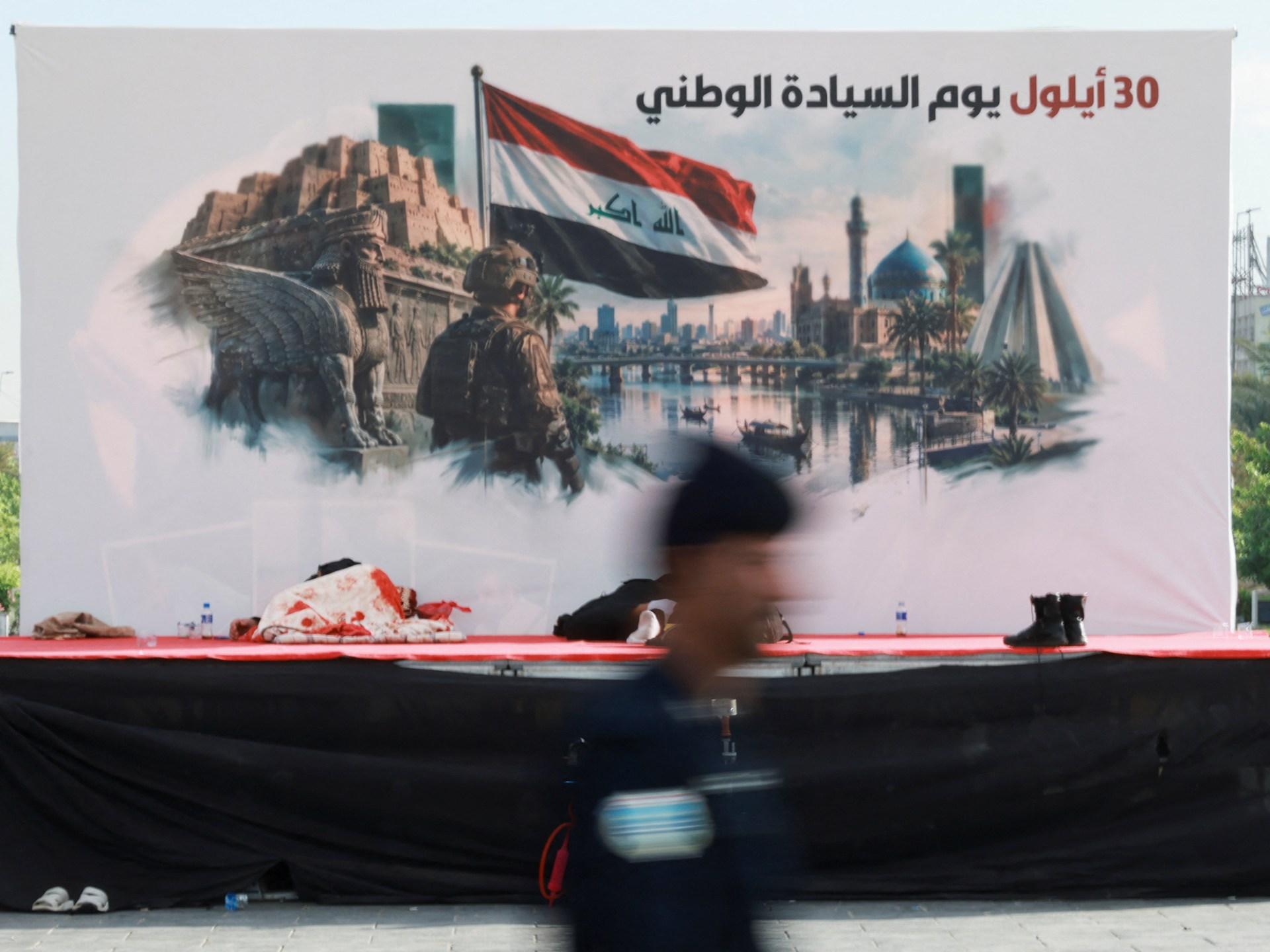
US troops withdrew from the remaining military bases in Iraq on September 30, marking the end of a two-year withdrawal process and the conclusion of the global coalition against the Islamic State (ISIS). This withdrawal raises questions about the future of security in Iraq, where approximately 2,500 US troops remained in recent years. In 2014, US forces returned to Iraq following the spread of ISIS, providing air support and training to Iraqi forces. Currently, Iraq faces new security challenges, particularly in the Kurdistan region, where several areas have been hit by Iranian rocket and drone strikes.
Kurdistan Regional Government Prime Minister Masrour Barzani stated that the US troop withdrawal from the region is a cause for concern regarding its defense. According to Kurdish military sources, US forces played a crucial role in intercepting Iranian rockets and drones. Serwan Barzani, a Kurdish military leader, told Reuters, "Leaving the region without a defense system is a cause for concern."
In contrast, Iraqi forces indicated their ability to handle security tasks independently. Iraqi Air Force Commander Lt. Gen. Khalid al-Tamimi stated that the Iraqi Air Force conducts daily reconnaissance flights. He also noted that the Iraqi Air Force can operate for ten days without external assistance. However, the provision of air defense systems remains the most sensitive issue, with Iraqi forces announcing their proximity to purchasing air defense systems from South Korea, Turkey, and the United States.
In a broader security context, Iraq faces challenges from non-state armed groups, including Iran-affiliated militias. Abu Mujahid al-Yasaari, a commander in the Islamic Resistance in Iraq, told Reuters, "This is a historic victory for Iraqi groups." However, it remains unclear whether these groups will surrender their weapons as requested by the Iraqi government by June 2027.
Despite the withdrawal, the United States still plays a role in supporting Iraq's security. Pentagon spokesman Sean Ryan indicated that the US would continue to provide military assistance and training to Iraqi forces. Lt. Gen. Saad, an Iraqi forces commander, stated that the withdrawal does not mean the end of security cooperation, but the beginning of a new phase based on mutual respect and the respect for Iraqi independence in decision-making.
Analysis & context
Analysis & Context
From an analytical perspective, the US troop withdrawal from Iraq marks the end of a long period of US military intervention in the region. This withdrawal opens the door to new alliances and independent security policies for Iraq. In a broader context, this event reflects geopolitical shifts in the Middle East, where regional powers such as Iran and Turkey are seeking to fill the vacuum left by the US withdrawal. Additionally, the withdrawal raises questions about Iraq's ability to protect its airspace and confront ongoing security threats, particularly from ISIS.