Sourced fact
The News
New military confrontations have erupted in northern Ethiopia, causing civilian casualties and communication disruptions in the region. Witnesses to Deutsche Welle (DW) reported that heavy artillery shelling killed six members of a 22-year-old woman's family, noting that survivors cannot access medical services due to imposed restrictions.
A source in Tigray, speaking to DW on condition of anonymity, said that Ethiopian government forces (Ethiopian Defense Forces) continue to advance towards the regional capital, Mekelle. According to local sources, government forces took control of the strategically important town of Alamata on September 27, signaling significant military progress.
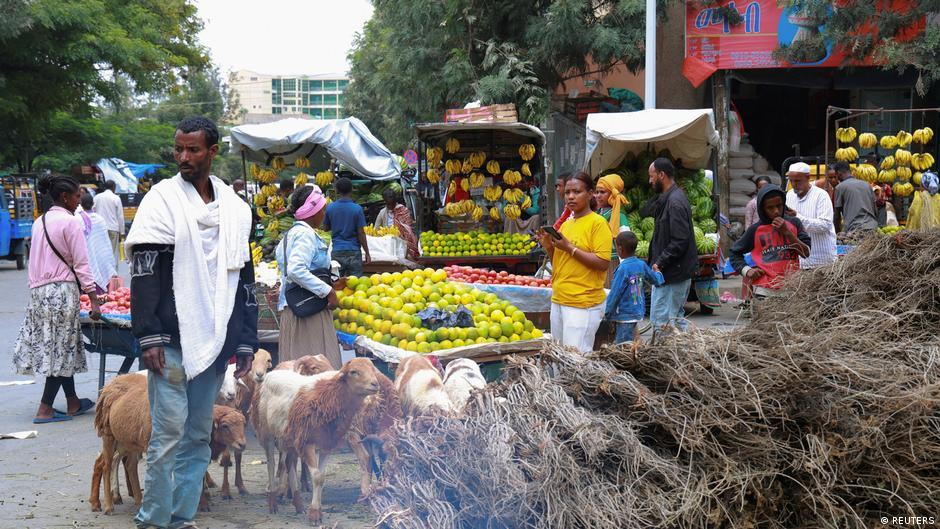
Residents of Alamata confirmed to DW that attacks targeting civilians were deliberate. One resident stated that shelling occurred during the weekly market opening, resulting in the deaths of 11 people and injuries to 15 others. These claims have not been independently verified.
Various sources indicate that between 162,000 and 600,000 people were killed in the previous war between 2020 and 2022. The war ended with the signing of the Pretoria Agreement in November 2022, under which the Tigray People's Liberation Front agreed to demilitarize and respect federal government authority. However, some provisions remained unimplemented, leading to the resumption of conflict in August 2026.
Amdigeteb Admasu, an Ethiopian lawyer specializing in political and legal affairs, expressed concern over the impact of fighting on civilian infrastructure, such as hospitals and schools, noting that such attacks constitute war crimes. Mbruhie Berhanu, deputy director of Ethiopia's first human rights organization, pointed out that civilians should have access to essential services even during times of war.
Analysis & context
Analysis & Context
Analytically, the escalation of fighting in Tigray reflects the deepening political crisis in Ethiopia. Since the end of the war in November 2022, many provisions of the Pretoria Agreement have remained unimplemented, leading to growing tensions between the federal government and the Tigray People's Liberation Front.
In a broader context, this conflict underscores the ongoing challenges in achieving stability in Ethiopia. As fighting continues, observers fear additional impacts on civilians, including the destruction of civilian infrastructure and the disruption of essential services.
The conflict also highlights the importance of upholding international humanitarian law in armed conflicts, as an Ethiopian lawyer noted that targeting civilian facilities constitutes a war crime.