Sourced fact
The News
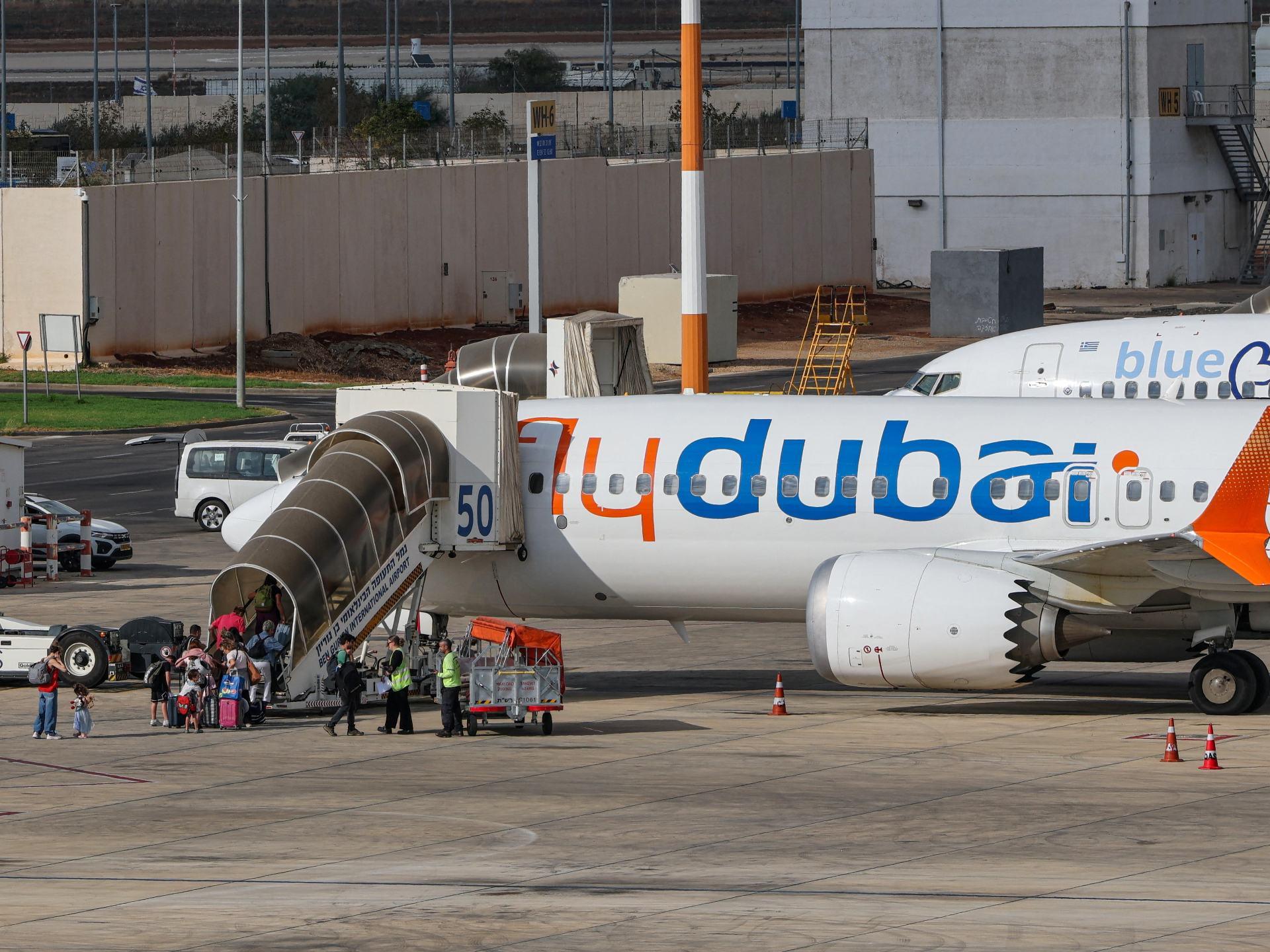
An attack on a FlyDubai flight piloted by a co-pilot from the Sultanate of Oman, Hamam Al-Hamami, who was previously barred from flying due to extremist views, has sparked controversy. According to media reports, Al-Hamami, an Omani citizen, attempted to break into the cockpit using an emergency hammer during a flight to Israel on September 30. The UAE described this incident as a terrorist act, but investigations are ongoing to determine the motives behind it.
A Gulf diplomat noted that Al-Hamami underwent standard security checks when he was hired by FlyDubai, but the extent of these checks remains unclear. Reports indicate that Al-Hamami worked for seven years at an Omani airline before leaving in February 2025. Additionally, it was reported that Al-Hamami briefly worked for a Moroccan airline before joining FlyDubai.
Aviation security screenings for commercial pilots vary according to local laws and company policies, with no universal global standards. Typically, pilots are required to obtain a medical certificate from the regulatory body in the country where they hold a license. Some companies also require security clearances from the police. Medical examinations are also conducted to assess visual, auditory, cardiac, and neurological health.
Despite Israel's stringent aviation security measures, questions remain about how Al-Hamami was allowed to fly to Israel. Under a law passed in 2023, airlines must provide passenger and crew information to Israeli authorities 48 hours before a flight. However, no security warnings were issued prior to the FlyDubai flight.
Israeli Prime Minister Benjamin Netanyahu stated that the incident highlights a "loophole" in security procedures and that Israel will increase background checks for foreign pilots. UAE Presidential Advisor Anwar Gargash noted that the incident underscores the need to address extremism and incitement.
Analysis & context
Analysis & Context
From an analytical perspective, this incident raises questions about the efficacy of aviation security standards and the thoroughness of pilot background checks. On a broader scale, the incident highlights the need for developing uniform global security standards to ensure passenger and aircraft safety. It also underscores the necessity of information sharing among countries to identify potential risks.
Politically, the incident reflects the challenges faced by states in dealing with cross-border security threats. Despite stringent measures in Israel, there were loopholes that could be exploited. This points to the need for enhanced international cooperation in aviation security to counter increasing threats.