Sourced fact
The News
The US Senate has rejected a bill that would have required US regulatory bodies to consider imposing infrastructure costs on data centers and large electricity consumers. The bill failed with a vote of 57 to 43, needing 60 votes to avoid being filibustered. Only four Democrats supported the bill, while Republicans and their Senate colleagues opposed it. Supporters of the bill argue it would help alleviate the financial burden on households due to rising electricity prices. However, Senate Democrats criticized the bill, stating it does not provide sufficient protection for consumers from high electricity bills.
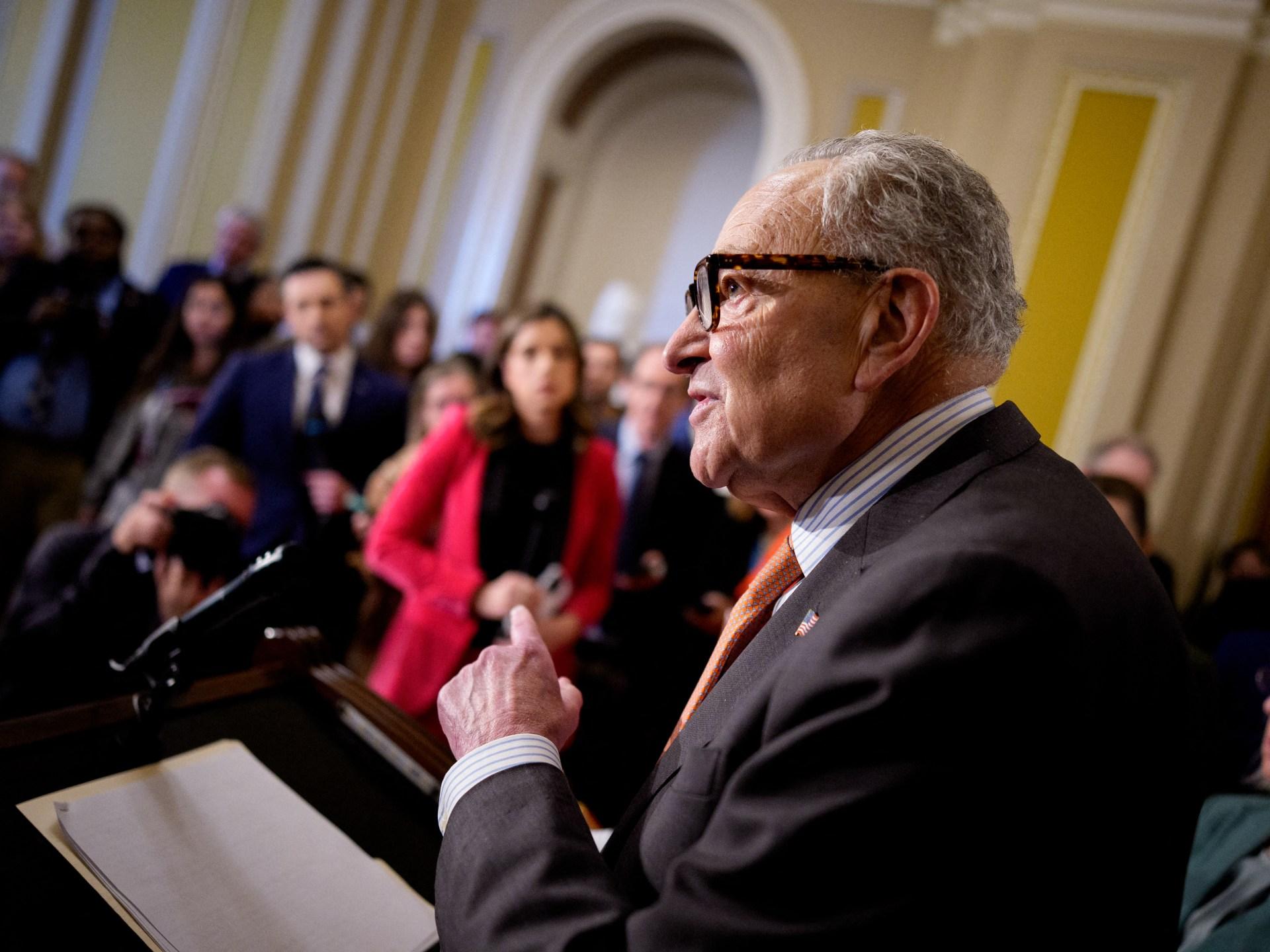
Chuck Schumer, the Senate Democratic Minority Leader, stated the bill "has no teeth" as it does not compel data centers to bear the cost of energy infrastructure improvements. Schumer urged Republicans to demonstrate their commitment to the issue by supporting a Democratic alternative "with teeth."
This rejection comes amid increasing demand for data centers due to the growth of artificial intelligence. According to some estimates, there are approximately 5,400 data centers in the United States. Critics argue these centers consume large amounts of electricity, contributing to rising electricity prices.
The Consumer Protection Act, the first bipartisan bill, aims to address the economic concerns related to the expansion of data centers. It was overwhelmingly passed in the House of Representatives with a vote of 417 to three. However, Democrats argue the bill does not provide sufficient protection for consumers.
According to a September survey, 53% of Americans are deeply concerned about the impact of data centers on electricity prices or water resources in their communities.
Analysis & context
Analysis & Context
Analytically, the rejection of the bill reflects political tensions over how to address the rising infrastructure costs stemming from the expansion of data centers. In a broader context, data centers form a crucial part of the US digital infrastructure, with approximately 5,400 currently in the country. These centers face growing environmental and economic challenges, particularly concerning electricity usage. At the same time, rising infrastructure costs are causing concern among consumers who fear they will bear the brunt of these costs.