Sourced fact
The News
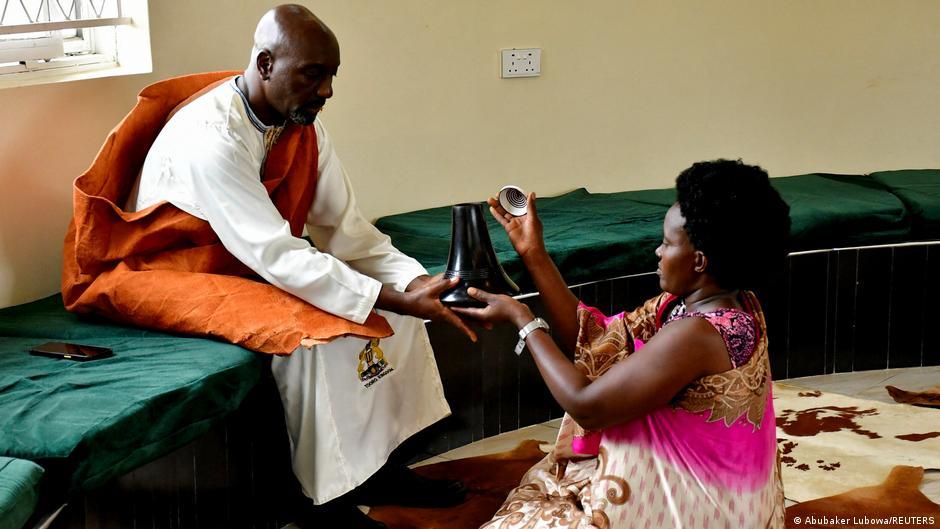
Edward Rugadya Kigenangoma, an editor at the English TV station, has been crowned King of the Toro Kingdom in Uganda following the sudden death of the previous king, Oyo Kiyimba Iguru Rugondah IV, last month. King Oyo, who was 34 years old, passed away while receiving cancer treatment in the United States. Despite the late king’s mother advocating for the appointment of her unknown son to the throne, both the royal family and the Bariito community agreed to choose Kigenangoma, aged 56, to ascend the throne.
The coronation ceremony for the new king was held in Fort Portal, Western Uganda, and was attended by thousands of people and broadcast live. The ceremony included a mock battle and animal sacrifices. In his first speech, the new king promised to "protect our culture, traditions and customs, and promote good behavior among our people." He also told the Nation Vision newspaper that his family did not allow him to accept the kingship as a birthright.
President of Uganda, Yoweri Museveni, attended the coronation ceremony and expressed his condolences for the late King Oyo, congratulating the new King: "I have been following him in the news, he is a good news presenter. I believe he will do a good job." Uganda is a constitutional republic with a democratically elected president, but its four major pre-colonial kingdoms retain significant cultural influence in the country, despite having no political power.
Analysis & context
Analysis & Context
From an analytical perspective, the coronation of Kigenangoma as the new King of the Toro Kingdom reflects the strong influence of traditional kings in Ugandan society. Although Uganda is a constitutional republic, traditional kings play a vital role in preserving culture, traditions, and heritage. The appointment of Kigenangoma, a journalist and TV editor who is not from the traditional royal family, marks an intriguing development in this context, suggesting that traditional monarchies in Uganda are adapting to modern social and cultural changes. In a broader context, traditional kings in Uganda play a significant role in preserving national identity and cultural heritage, despite not holding any real political power.