Sourced fact
The News
The United States is currently considering launching an international fund worth $5 billion to rehabilitate energy sites in the Arabian Gulf region that have been severely damaged during the ongoing war against Iran, according to a report published by The Wall Street Journal on Monday. The plan aims to gather equal contributions from eight regional partners including Saudi Arabia, the UAE, Qatar, Bahrain, Kuwait, Oman, Iraq, and Jordan, which would bring total investment in the fund to $10 billion.
This new fund will be managed through the U.S. International Development Finance Corporation (DFC), an agency that typically works with developing countries rather than wealthy Gulf kingdoms as in this special initiative. They have named the new partnership "Pact" and it aims to help regional countries find alternative export routes beyond the vital Strait of Hormuz, which has become a frequent target of Iranian missile and drone attacks.
U.S. officials confirmed that discussions on the details of the plan are still ongoing and conditions may change, while the signing status of any country to the agreement remains uncertain so far. Some regional officials believe this strategy attempts to portray the Strait of Hormuz as a less important element to strengthen a united stance against Tehran, while security researchers have warned that financing reconstruction before achieving peace could be premature since Iran may target new facilities at any time.
Analysis & context
Analysis & Context
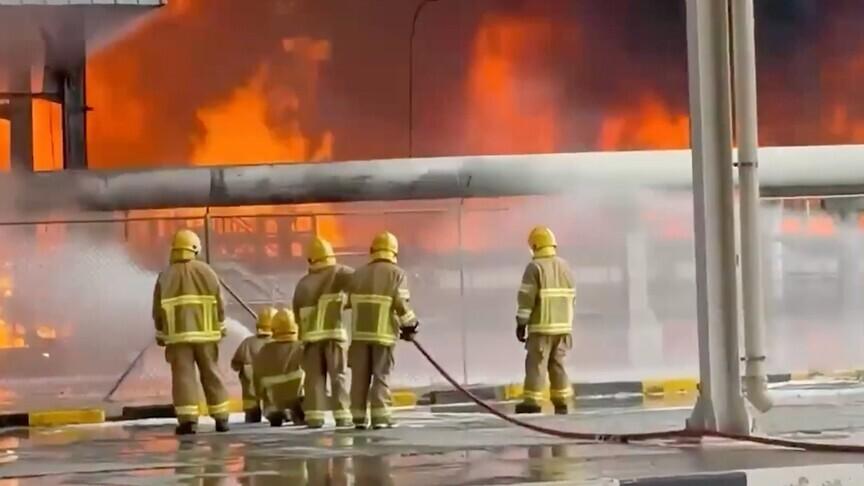
From an analytical perspective, the idea of creating a regional fund for reconstruction faces significant geopolitical challenges, as experts like Bilal Saif from TRENDS US see this strategy carrying clear risks that could make participants dependent on each other and negatively affect bilateral relations. Timing is also extremely sensitive, as Iran has continued launching missile and drone attacks on dozens of refineries, oil fields, and gas plants over the past seven months of the war.
In the broader context, estimates indicate that the cost of repairing energy infrastructure exceeds tens of billions of dollars, making any financing plan based on equal contributions complex to implement practically. In addition, relying on the Strait of Hormuz as a main export route after destroying alternative pipelines like Saudi Arabia's detour line intensifies regional tensions and affects global oil prices.
This initiative is part of broader international efforts to enhance energy security in the Middle East amid rising tensions, but it requires precise political consensus among damaged countries and sponsoring countries to ensure project sustainability and rebuild trust among concerned parties.