Sourced fact
The News
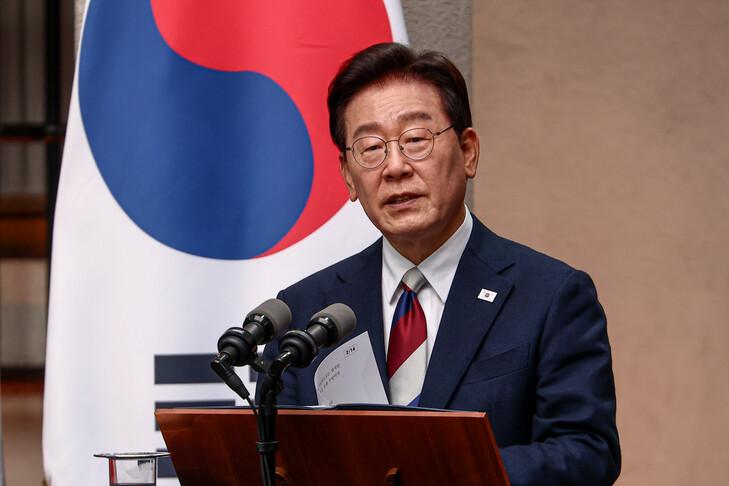
South Korean President Yoon Suk-yeol announced on Friday that he would take "additional measures" if Ukraine does not recognize a secret agreement regarding the transfer of two North Korean soldiers to South Korea. Yoon warned that Ukraine's continued denial of the existence of the agreement would lead to actions by South Korea. He stated on social media platform X: "We cannot ignore this matter as it pertains to the dignity of the South Korean people and state."
Tensions escalated diplomatically between the two countries after Ukrainian President Volodymyr Zelensky revealed during his speech at the United Nations General Assembly last week the transfer of the two North Korean soldiers to South Korea. The soldiers had been captured in Russia's Kursk region early in 2025 while serving alongside Russian forces against Ukrainian troops.
South Korea's Foreign Ministry expressed deep concern following Ukraine's denial of the secret agreement and demanded an apology from Kiev. South Korea noted that Ukraine had initially requested to maintain secrecy over the soldiers' transfer. In response to the demand for recognition and apology, the Ukrainian side suggested the possibility of a military conflict between the Koreas. Yoon commented, "I am deeply regretful that Ukraine is attempting to drag the Korean Peninsula into a war."
A senior South Korean official confirmed to the media that the two countries had agreed to a secret condition regarding the transfer of captured soldiers, and that foreign ministers from both countries are discussing how Kiev will respond to South Korea's demand for an apology.
Analysis & context
Analysis & Context
Analytically, this dispute between South Korea and Ukraine reflects broader tensions in international relations concerning military conflicts and national sovereignty. South Korea seeks to protect the secrecy of its military and political operations, while Ukraine may be seeking to bolster its position in the Russian-Ukrainian crisis by disclosing information.
In a wider context, this issue highlights the challenges countries face in dealing with captured soldiers and prisoners in international conflicts. South Korea and Ukraine are committed to protecting the rights of prisoners of war according to international law, but they face political and diplomatic pressures to disclose information about the fate of these individuals.
This case also sheds light on the growing role of international law in regulating military conflicts and maintaining secrecy in international relations. As conflicts worldwide become more complex, it is increasingly necessary to reach specific international agreements that protect secrecy and the rights of prisoners during times of crisis.