Sourced fact
The News
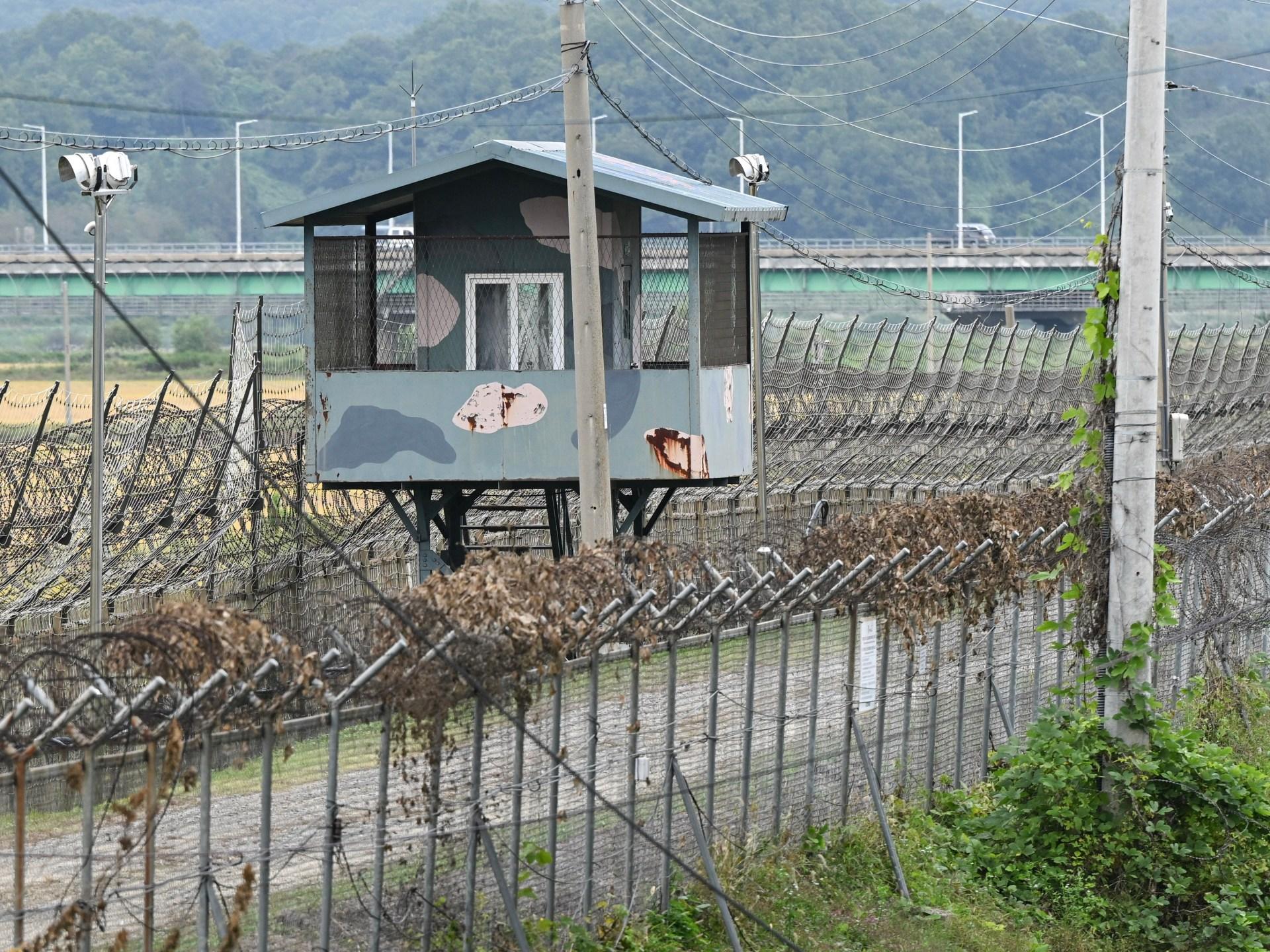
The South Korean military expressed its displeasure and demanded a formal clarification from North Korea regarding a landmine explosion near the border between the two countries on September 20th, which injured three South Korean soldiers. According to a news agency report, Kong Hyun-woo, the operations director at the South Korean Joint Chiefs of Staff, stated that this incident is a clear violation of the ceasefire agreement and disrupts the current South-North Korean agreements. He emphasized the need to stop such actions immediately and stressed the importance of an apology and preventive measures from the North.
In response, South Korean Defense Minister Suh Wook expressed his country's readiness to take coordinated actions if the investigations confirm North Korea's involvement in the incident. In turn, Kim Yo-jong, sister of North Korean leader Kim Jong-un, described the South Korean assessment as a "ridiculous conspiracy" and accused Seoul of making baseless claims to create a pretext for provocation against Pyongyang. She also accused the South Korean forces of firing warning shots towards North Korean soldiers engaged in reinforcement work along the front lines.
The United Nations also confirmed that a joint investigation with South Korean forces revealed the presence of an active landmine from North Korea on the southern side of the Military Demarcation Line, thereby confirming a violation of the ceasefire agreement. The UN Command, a multinational military force led by the United States, is responsible for enforcing the ceasefire agreement that ended fighting in the Korean War and defines the southern side of the demilitarized zone.
Analysis & context
Analysis & Context
Analytically, these events point to the continued tension between the two Koreas despite previous peace efforts. The border landmine explosion threatens to undermine the limited trust that has been built between the two countries. Relations between North and South Korea rely heavily on mutual trust and understanding, a long-term struggle to rebuild trust after decades of enmity.
In a broader context, the United States plays a pivotal role in North-South Korean relations through its leadership of the multinational force overseeing the ceasefire agreement. Current tensions between the two Koreas also reflect the challenges the United States faces in maintaining stability on the Korean Peninsula.