Sourced fact
The News
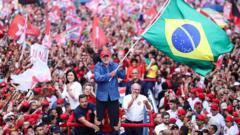
Maria Corina Machado, a leader of the opposition in Venezuela, has returned to her country after an absence of 10 months. Her return was met with celebratory and enthusiastic crowds in Lara and Caracas, in stark contrast to her departure in December last year, which was conducted in secrecy. Machado returned amidst significant political changes, with Nicolas Maduro being ousted from power in January and replaced by Delcy Rodriguez. Relations between Venezuela and the United States have also seen substantial shifts, with Venezuela signing a long-term oil agreement with the United States. However, Machado faces legal threats in Venezuela due to accusations of treason and conspiracy, although she returned with the support of the U.S. administration, which previously opposed her return. According to Venezuelan political analyst Penincho Alarcon, Machado's return is the most significant political event since January, signaling that the Venezuelan opposition now has a strong leader on the ground and not just in exile.
Her unexpected return comes at a time when Venezuela is witnessing a sharp increase in popular protests and a decline in government repression. According to a joint study by two Venezuelan institutions, Venezuela has seen three times the number of protests in the first nine months of this year compared to the same period last year. Machado's return could help galvanize political and protest activity among the population, who have been wary of the potential repercussions of criticizing the government or demanding change.
U.S. Ambassador Marco Rubio stated that Machado's return was a result of the political dialogue led by the United States between the Venezuelan government and the opposition. However, Rodriguez referred to Machado's return as a "gesture" and has completely ignored the event. Nonetheless, it appears that Rodriguez may be willing to engage in talks with Machado if she wishes to maintain harmonious relations with the United States. According to some reports, the U.S. Secretary of State's aide Marco Rubio has been conducting frequent conversations with the Venezuelan president via WhatsApp to make decisions related to energy.
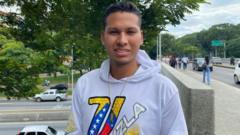
Young people who gathered in Caracas to welcome Machado expressed optimism that their concerns about criticism and incitement to change are beginning to fade. They consider Machado's return a definitive political turning point in Venezuela, an outcome they could not have imagined when she left the country in December last year.
Analysis & context
Analysis & Context
Analytically, Maria Machado's return to Venezuela reflects the significant political transformations that the country has undergone. In a broader context, these transformations point to fundamental changes in U.S.-Venezuelan relations. The Venezuelan opposition faces considerable challenges in confronting the new government, but Machado's return gives them renewed momentum. Meanwhile, the new government is under pressure from the United States to reach mutually agreed-upon political solutions.