Sourced fact
The News
The German Ministry of Defense announced the dispatch of four Eurofighter combat aircraft to Lielvarde Air Base in Latvia, in the context of NATO efforts to bolster air defenses in Eastern Europe. This move is a response to a series of airspace violations by unmanned aerial vehicles, which have increased the concerns of the Latvian government ahead of the parliamentary elections scheduled for October 3rd.
According to a source at the Center for Geopolitical Studies in Riga, there are fears that Russia may exploit this period to test NATO's capabilities in the Baltic region. Maris Andžans, the center's director, stated, "Russia may seek to test NATO in the Baltic, as it is the best place to test NATO's response."
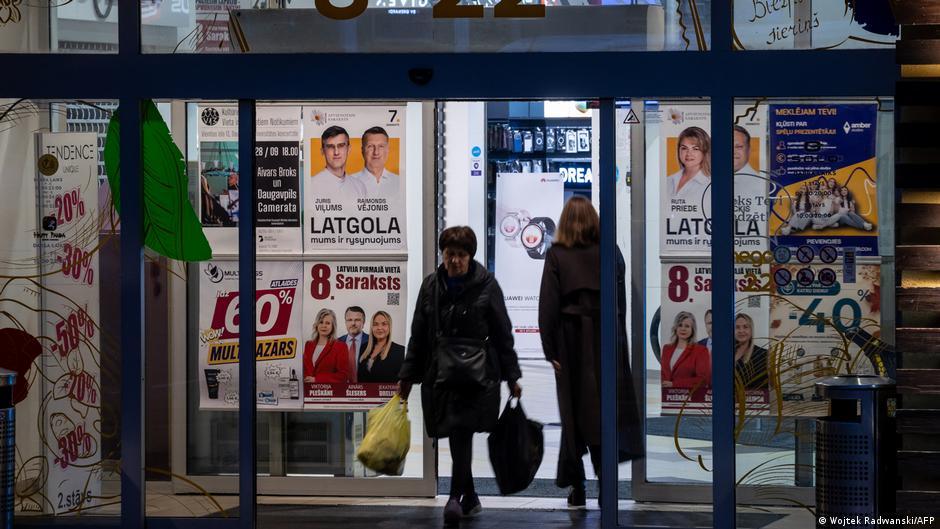
Security issues are at the forefront of the election agenda in Latvia, with all major parties pledging to strengthen national defenses and cooperate with NATO. Polls indicate that the Unity Party, led by Prime Minister Krisjanis Karins, is in the lead, while the Power Coalition/Young Latvians alliance is in second place.
Despite this consensus on security, the economy remains another source of concern for voters in Latvia. Since the beginning of the war in Ukraine, Latvia has closed most of its trade with Russia and Belarus, leading to negative impacts on some local businesses. However, some politicians advocate for a more balanced approach in economic dealings with Russia. For instance, Ainars Slesers, leader of the Latvia First party, proposed continuing trade with Russia within the limits of European sanctions.
These elections reflect the tensions between some voters' desire to maintain economic relations with Russia and others' concerns about national security risks. While the majority of voters support strengthening ties with NATO, approximately twenty percent prefer stronger economic relations with Russia.
As Latvian voters continue to weigh economic and security options, security and economic challenges remain central to political discussions. Although expectations point to pro-NATO parties securing a majority in parliament, the elections may reveal new trends in the country's economic policy.
Analysis & context
Analysis & Context
Analytically, Lithuania faces intertwined security and economic challenges with Russia. Security is at the core of the election agenda, with most parties agreeing on the importance of NATO. However, opinions differ on economic cooperation with Russia, reflecting the tension between security and the economy.
In a broader context, the Baltic states face increasing security challenges since the deterioration of relations with Russia. These countries aim to strengthen their defenses and reduce their economic dependence on Russia, creating a tension between the need for security and the desire for economic growth.
It is noteworthy that a portion of the Russian-speaking electorate in Lithuania feels marginalized and questions policies that limit the role of the Russian language in public life. This reflects the cultural and economic tensions Lithuania faces in the context of its relations with Russia.