Sourced fact
The News
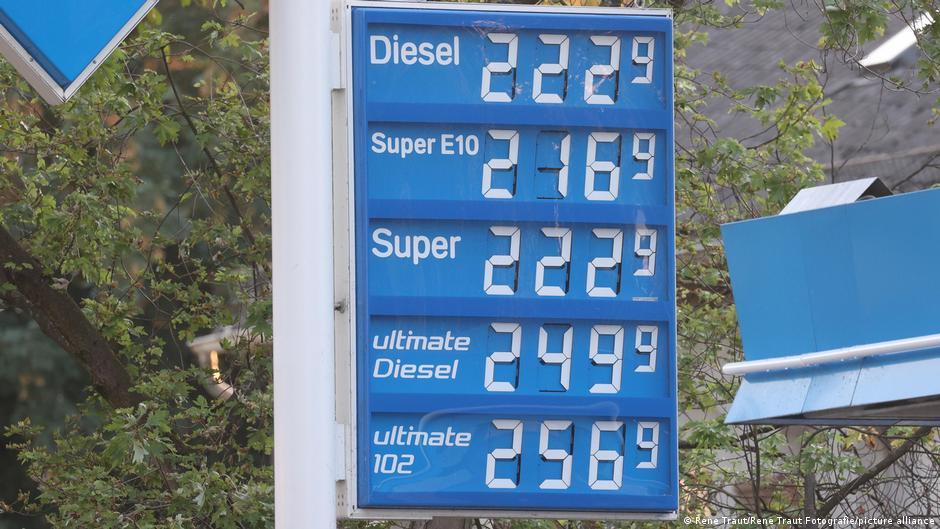
The political landscape in Germany today, September 25, 2026, reveals a scene of economic and political transformation with the Bundestag passing a fuel tax reduction amidst rising gas prices, while Canada prepares to become a partner member of the European Union. In a significant diplomatic move, German Foreign Minister Johann Wadewolf visited Canada following his stop at the UN General Assembly in New York, where he called for focusing on deepening cooperation rather than debating terminology. The German and Canadian governments agreed to sign a secret agreement to facilitate the exchange of classified documents and enhance military and defense cooperation between the two countries.
In domestic affairs, the Left Socialist Party in Berlin approved starting exploratory talks with the Greens and the Social Democrats to form a new government after its major victory in the last state election, where it secured 25.7% of the votes. Although SPD leader Stephan Krach agreed to participate, he emphasized that these talks do not automatically guarantee the formation of an official alliance, especially since the current coalition consists of the Christian Democratic Union and the Social Democrats. Meanwhile, German markets experienced fluctuations after Chemikalien company Ivonik confirmed it is exploring voluntary takeover offers from its giant rival BASF, which requires approval from European and German competition authorities.
In sports, legendary player Peter Nugli passed away at the age of 79 after a long battle with illness, leaving behind a legacy of achievements with Hamburg, where he led the team to win the Champions League and the German Cup. Nugli played 320 matches in the Bundesliga; no other player except another legend, Oyo Sailer, has led the club in match count. He was known by the nickname "The Oak" due to his toughness and integrity, never having been expelled throughout his career. In the military sphere, German Defense Minister Boris Bestorius visited Budapest to reactivate military cooperation with Hungary's new government under Prime Minister Peter Magyar, who called for recalibrating relations with NATO and Europe.
Germany also witnessed an important legislative change making electric bike rental companies responsible for accidents instead of renters, facilitating compensation for victims without hindering the tracking of minor renters usually covered by parental insurance. In another context, the German Defense Minister stated that the Budapest visit marks a new beginning for bilateral relations and the entire NATO region, while the Hungarian Defense Minister welcomed the step, confirming that both countries will become allies again and work according to international expectations.
Analysis & context
Analysis & Context
From an analytical perspective, Germany's decision to cut fuel taxes reflects a governmental move to support the household and industrial economies amid high global inflation. Adjusting fuel prices is a traditional economic tool used by European governments to alleviate social suffering caused by fluctuations in global energy markets, especially with increasing reliance on natural gas for electricity generation and transportation.
In the broader context of German political transformations, Berlin's election results indicate a fundamental shift in the party map, where the Left Party secured 25.7% of the votes, overtaking the Christian Democratic Union and the Alternative Party from the far right. This new demographic distribution makes forming a parliamentary majority complex, explaining the necessity of resorting to three-party coalitions instead of the traditional alliance between conservatives and social democrats currently governing the city.
Defense Minister's visit to Budapest also signals Germany's attempt to recalibrate its relations with EU countries undergoing political transitions, such as Hungary, which has seen a change in government from Viktor Orban to Peter Magyar. This change opens new horizons for security and military cooperation within the NATO and European Union framework, moving away from the isolationism that characterized relations with the previous Budapest government.