Sourced fact
The News
Botswana celebrated this week the 60th anniversary of its independence from Britain, with ceremonies marking the occasion. Since gaining independence in 1966, Botswana has transformed from one of the poorest countries in the world to a high-middle-income country, with an average annual economic growth rate of 13.9% between 1965 and 1980. Today, the per capita GDP stands at approximately $7,800, higher than South Africa, one of the continent's most diversified economies.
The Botswana government highlighted that these celebrations underscore the economic and social transformation the country has achieved. The number of secondary school students increased to 192,151 in 2022, while the number of higher education students reached 60,287 in 2024. The poverty rate dropped from 30.6% in 2002/2003 to 14.5% in 2022. Furthermore, Botswana became the first African country to launch a national program for free HIV treatment, significantly improving public health.
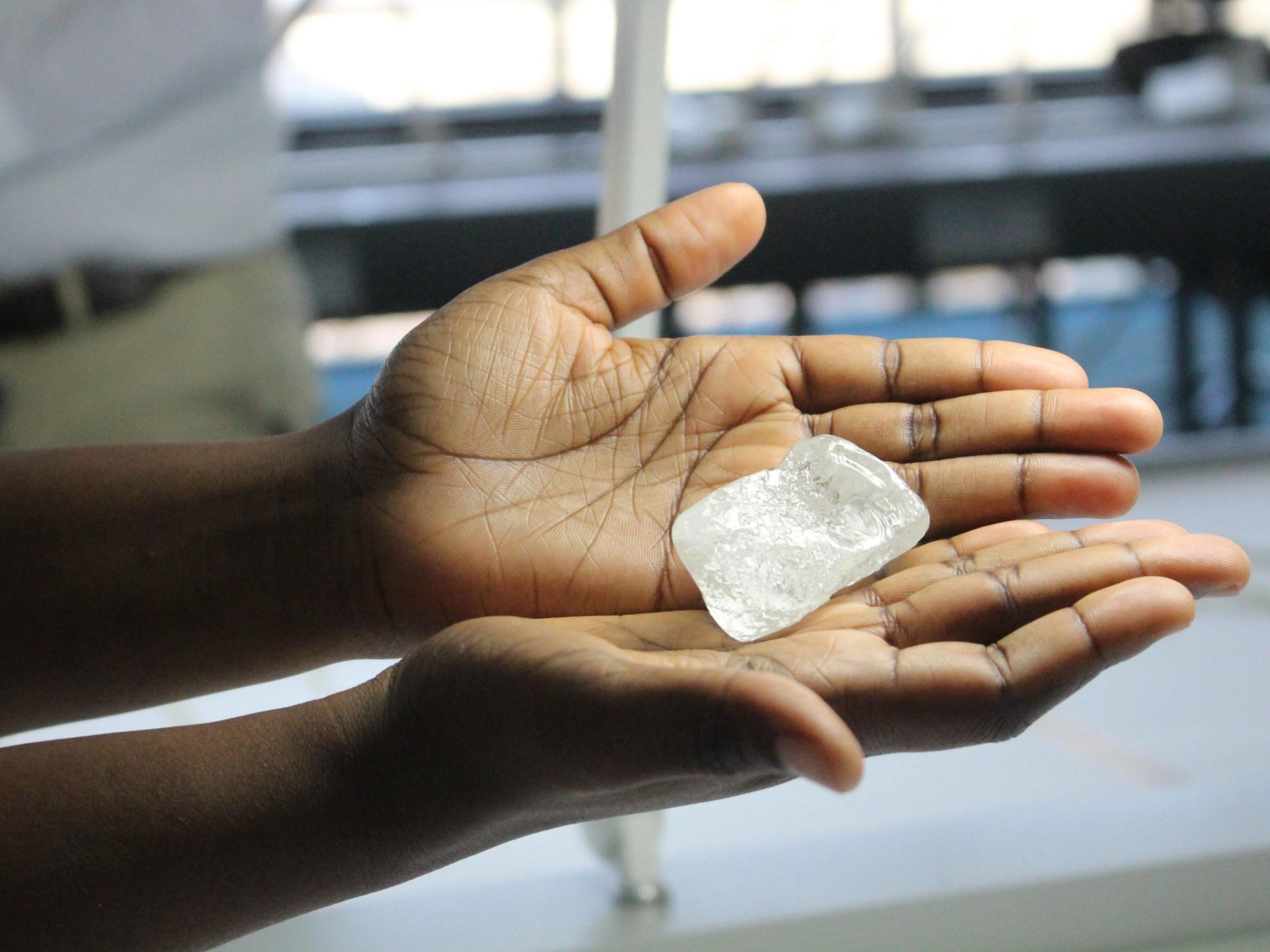
Despite these achievements, Botswana remains heavily dependent on its natural resources, particularly diamonds, which account for about 90% of its exports. With declining demand for diamonds, the country faces new economic challenges, with its economy contracting by 2.8% in 2024 and 0.7% in 2025. According to Ministry of Labour data, the unemployment rate in the country is 21%, rising to 28.9% among those aged 15 to 35.
To overcome these challenges, Botswana is seeking to diversify its economy. It has taken steps to strengthen sectors such as tourism and technology. For example, in 2025, an agreement was signed with De Beers granting the state-owned diamond company 30% of the joint venture Debswana's production, with the percentage increasing to 40% after 2030. The country is also developing renewable energy infrastructure, such as the solar power station being built in Maun, which will support future industries.
Economic experts have pointed out that Botswana needs to invest in new sectors such as technology and digital financial services to create sustainable job opportunities. They also stressed the importance of enhancing the capabilities of local companies to compete globally. The Prime Minister of Botswana stated, "We need to use our resources and expertise to build a more resilient and diversified economy."
Analysis & context
Analysis & Context
Analytically, Botswana's growth exemplifies how natural wealth can be converted into sustained economic and social advancement. Botswana has used diamond revenues to build infrastructure and public services, contributing to improved quality of life for its citizens. However, Botswana faces new challenges with the decline in diamond demand, necessitating the search for new income sources.
In a broader context, many African countries struggle with dependency on natural resources. Botswana stands out as one of the few nations that have successfully diversified its economy and built new sectors such as tourism and technology. Nevertheless, it still has a long way to go to build a more resilient and sustainable economy.
It is also worth noting that Botswana has successfully maintained political and democratic stability, with peaceful transitions of power in 2024. This political stability provides a stable environment for investment and economic growth.