Sourced fact
The News
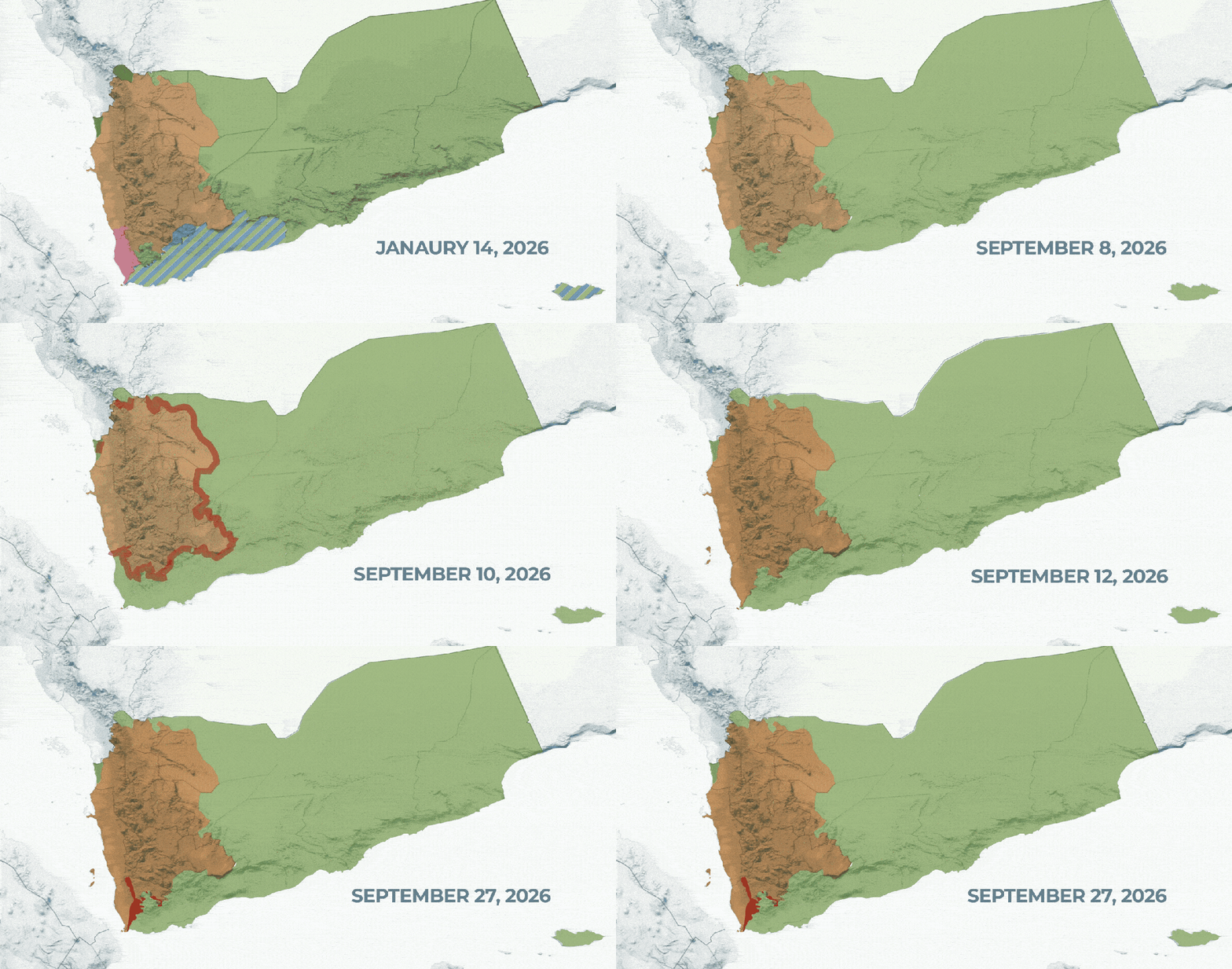
A new military escalation broke out in Yemen in September, resulting in the displacement of nearly 134,000 people, including around 73,000 children, according to UNICEF. This escalation has redrawn frontlines across the country after more than a decade of war. Since the start of the escalation, 838 people have been killed and over 3,600 injured, according to the World Health Organization.
Mohammed Saeed, a 46-year-old teacher, has not received his salary for years. Mohammed has been displaced several times since the start of the war in Yemen and now lives with his wife and five children in one room in the city of Taiz. He is behind on rent by a year and a half. Mohammed told Al Jazeera, "We no longer eat three meals a day. Perhaps two meals, and sometimes just one meal."
The new military escalation has exacerbated the humanitarian crisis in Yemen, where more than 18.3 million people suffer from acute food insecurity, according to the United Nations. Children are the most affected, with over 2.2 million children under the age of five suffering from severe malnutrition before the latest escalation, according to UNICEF. Lucy Tamlyn, UNICEF’s Yemen representative, warned that fighting is accelerating a vicious cycle: conflict drives hunger, and hunger makes children more vulnerable to conflict.
Ratya Saeed, a mother of eight children, fled from Maqbanah, west of Taiz, where the Houthi attack began. Ratya told Al Jazeera, "We left our homes, we left our livestock, the donkey and the chickens. We left everything to God." In the camp, no organization provides food assistance to her family, and they rely on what kind people offer. Her children are sick, and there is no clean water. Ratya said, "There are no blankets."
Analysis & context
Analysis & Context
Analytically, the humanitarian crisis in Yemen is among the worst in the world, with over 18 million people suffering from acute hunger. According to the World Health Organization, the recent fighting has increased the number of casualties and wounded, exacerbating the suffering of the population. In a broader context, the ongoing war plays a significant role in deepening the food crisis, as the population relies on humanitarian aid to secure food and basic healthcare.
At the same time, humanitarian organizations face significant challenges in accessing affected areas due to ongoing fighting. This increases the need for long-term political solutions to end the violence and improve the humanitarian situation in Yemen. Additionally, economic and social factors play a crucial role in deepening the crisis, as many families suffer from extreme poverty and are unable to secure food and basic healthcare.