Sourced fact
The News
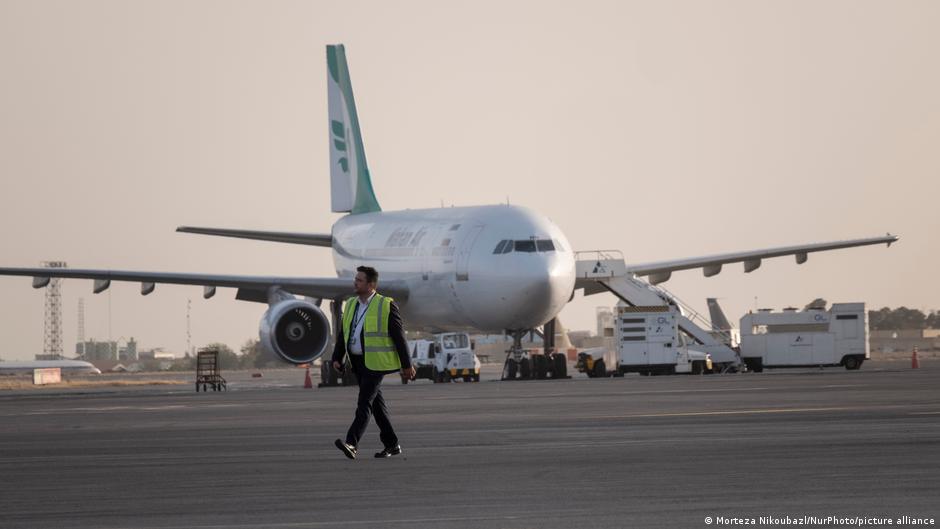
The United States announced new economic sanctions targeting the aviation sector in Iran, further isolating this sector and reducing opportunities for international travel. This move is part of a "maximum economic pressure" campaign launched by the U.S. Treasury Department in September, aimed at Iranian airlines and ground service companies. According to these sanctions, these companies may lose access to the U.S. financial system, making dealing with them risky for foreign airlines and airport authorities.
These sanctions have led to the cancellation of many Iranian flights to countries such as Iraq, Oman, Azerbaijan, and Georgia. For instance, Turkmenistan refused to allow an Iranian plane to cross its airspace on September 24, forcing the plane to return to Iran. Although Turkey, Armenia, and China have not announced comprehensive restrictions, travelers are hesitant to purchase tickets due to the uncertainty of flight departures.
Sources in the Iranian travel sector noted that the new restrictions have significantly impacted air travel. A traveler told DW, "The borders were crowded, and many people were trying to get out of fear of the roads closing." These restrictions have also affected air cargo, particularly in the fields of pharmaceuticals, medical materials, spare parts, and laboratory samples.
The Iranian aviation industry was already facing structural issues before the imposition of these sanctions, including aging aircraft fleets and difficulties in obtaining spare parts. Ali Reza Salavati, a political economist and executive director of Middle East Analytics in London, said, "Iran's aviation sector is relatively small by regional standards. If primary air links disappear, travel will become more complex and costly for both travelers and businesses."
Analysis & context
Analysis & Context
Analytically, the U.S. sanctions aim to increase economic pressure on Iran and isolate it from the global financial system. These measures are part of a broader range of sanctions targeting various sectors of the Iranian economy, including banks and maritime shipping.
In a wider context, Iran faces significant challenges in maintaining its aviation sector due to previous sanctions and restrictions on obtaining U.S.-made spare parts and components. This increases the difficulty of operating Iranian aircraft safely and efficiently.
On other fronts, these sanctions impact international tourism and trade, increasing costs for passengers and businesses. Passengers now face uncertainty about flights, driving them to seek more expensive and complex alternatives.