Sourced fact
The News
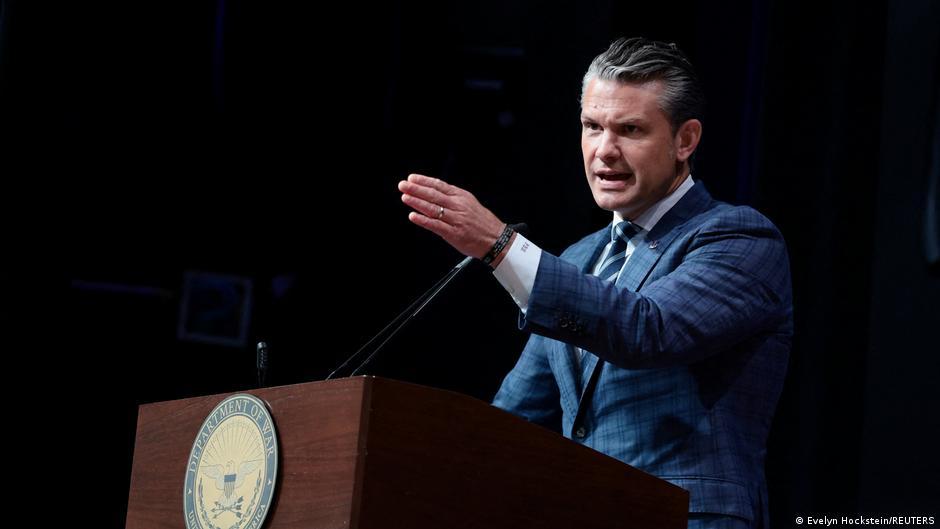
US Secretary of Defense Lloyd Austin in his annual "State of Force" speech at the Marine Corps Base Quantico in Virginia announced a reduction of 20% in the number of military leaders. Austin noted that "accountants say we have dismissed 10% of general and flag officers across the force," and added, "We have also reduced the number of general officer positions by an additional 10%." He emphasized that this change "aims to achieve greater accountability in the US military."
Since the beginning of President Donald Trump's second term, many top military leaders have been dismissed, including Chairman of the Joint Chiefs of Staff General Charles Brown. Some members of Congress view these dismissals as a "purge" that may take years to restore American military strength. Senator Mark Kelly (D) said, "It's a purge of generations of excellent military leaders, and it will take decades to recover from."
In the same speech, Austin announced his intention to establish a new command dedicated to drone warfare. He stated that "the pace of war is changing faster than the process that supports it," and cited Ukraine's use of drones against Russian forces as an example of changes in warfare tactics and combat operations. He also revealed the formation of a task force led by billionaire Elon Musk, Nettaion Gingerger, and Parmer Luckey to study the future of war and future weapons.
Analysis & context
Analysis & Context
Analytically, this decision reflects broader political and military trends in the United States. The reduction in the number of military leaders aims to achieve greater efficiency and accountability in the US military, but it may raise concerns about the politicization of the military establishment. It also points to the increasing challenges the US faces in keeping up with rapid technological advancements in warfare and combat operations.
In a broader context, these reforms come in the wake of significant changes in US military leadership over the past few years, including the dismissal of several top leaders. These changes aim to improve efficiency and effectiveness, but they may also lead to instability within the military and require a long time to compensate for the losses.
On other fronts, the establishment of a new command for drone warfare reflects a significant shift in modern warfare tactics. With the increasing use of advanced technology such as drones and robots, it is crucial for military forces to adapt to these changes and provide appropriate systems and weapons to counter future threats.