Sourced fact
The News
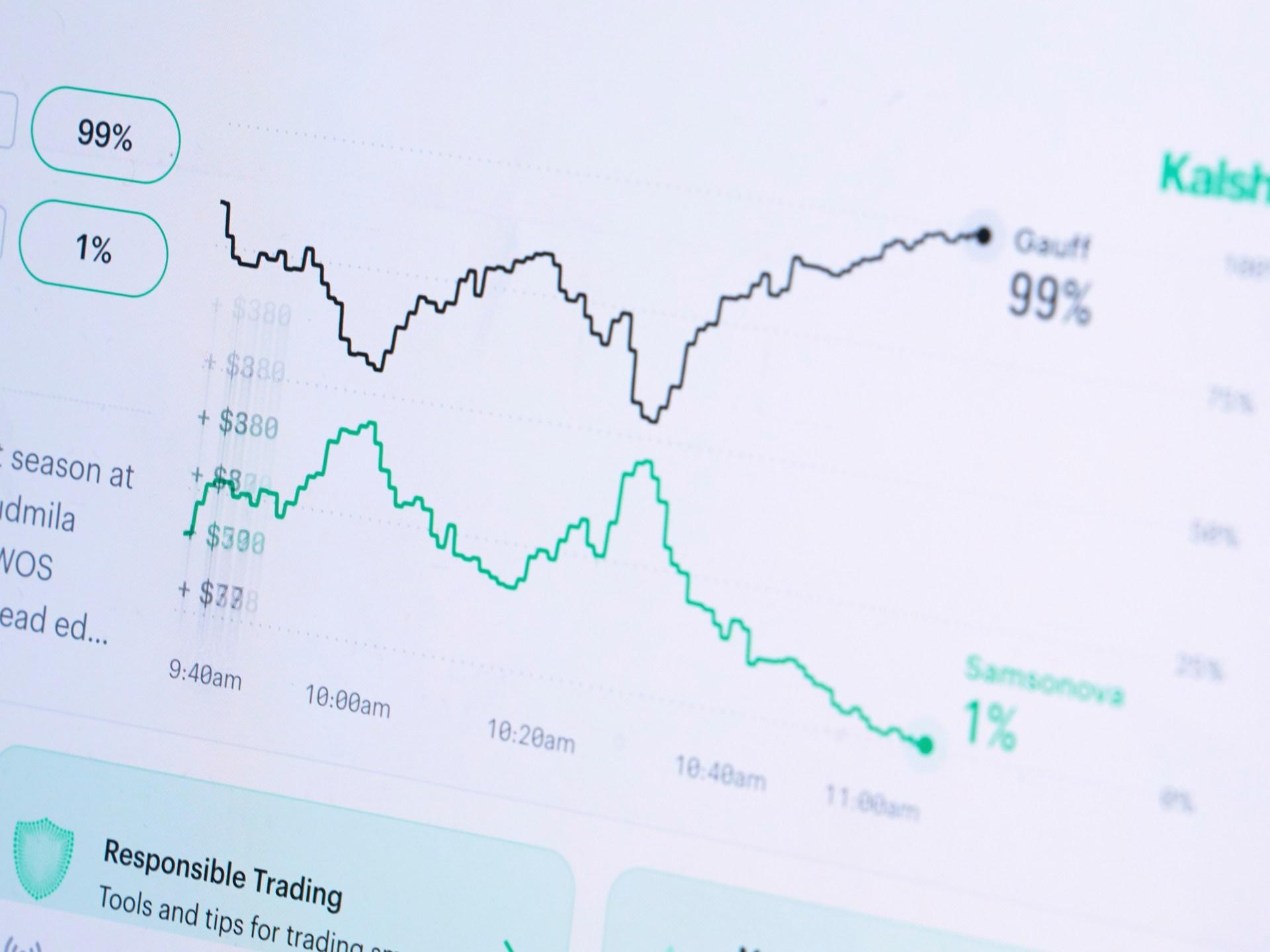
On Friday, a U.S. mid-circuit appellate court ruled that states have the right to regulate prediction markets, leading to the rejection of Kalshi's lawsuit seeking an exemption for its contracts from local gambling laws. Under this decision issued by the federal court in Cincinnati, Judge Julie Smith Gibbons affirmed that Ohio and Tennessee can regulate these contracts under their existing gambling laws.
This ruling represents the latest development in the escalating debate over the oversight of prediction markets, which have experienced rapid growth, prompting experts to raise fundamental ethical and regulatory questions. The decision also deepens the divide among U.S. federal courts regarding the authority of local versus federal regulators over these markets, opening the door for potential intervention by the U.S. Supreme Court in the matter soon.
Prior to this ruling, other appellate courts had addressed the issue of whether prediction markets are subject to local gambling laws. Last month, a mid-west circuit court ruled that Kalshi contracts fall under Nevada's laws, while an East Circuit court decided in April that these contracts do not fall under New Jersey's laws. These markets allow users to bet on a wide range of events ranging from sports matches and presidential elections to cultural developments and Iranian nuclear negotiations.
In a related development, New York filed a lawsuit against the prediction platform Polymarket on Thursday, asserting that it operates as an unlicensed gambling operation. The company responded by stating it will fight for its users, while Governor Kathy Hochul warned that operating this platform exposes New Yorkers to danger, particularly minors at risk of gambling addiction.
Analysis & context
Analysis & Context
From an analytical perspective, this decision highlights the legal contradiction facing the emerging fintech sector in the United States, where federal court interpretations conflict over whether "outcome" contracts constitute gambling or investment instruments. This judicial inconsistency may lead to an unstable legal environment for companies operating in this field, hindering innovation and creating a state of regulatory uncertainty that could push major companies to withdraw or radically alter their business models.
In a broader context, reports indicate that prediction markets have become part of the U.S. financial landscape but raise genuine concerns regarding consumer protection, particularly of youth exploitation via gambling apps. These concerns have led to legislative and judicial actions in several states, such as New York, which seeks to impose strict licensing, reflecting a shift in public opinion and public policy toward tightening oversight of these rapidly growing markets.
The future of this sector appears contingent on unifying judicial stances or intervention by the U.S. Supreme Court to clarify the unified legal framework governing these new financial transactions. The ability of individual states to enforce their local laws against major technology companies also emerges prominently in this file, placing prediction markets at the heart of the federalism versus state sovereignty struggle within the U.S. system.