Sourced fact
The News
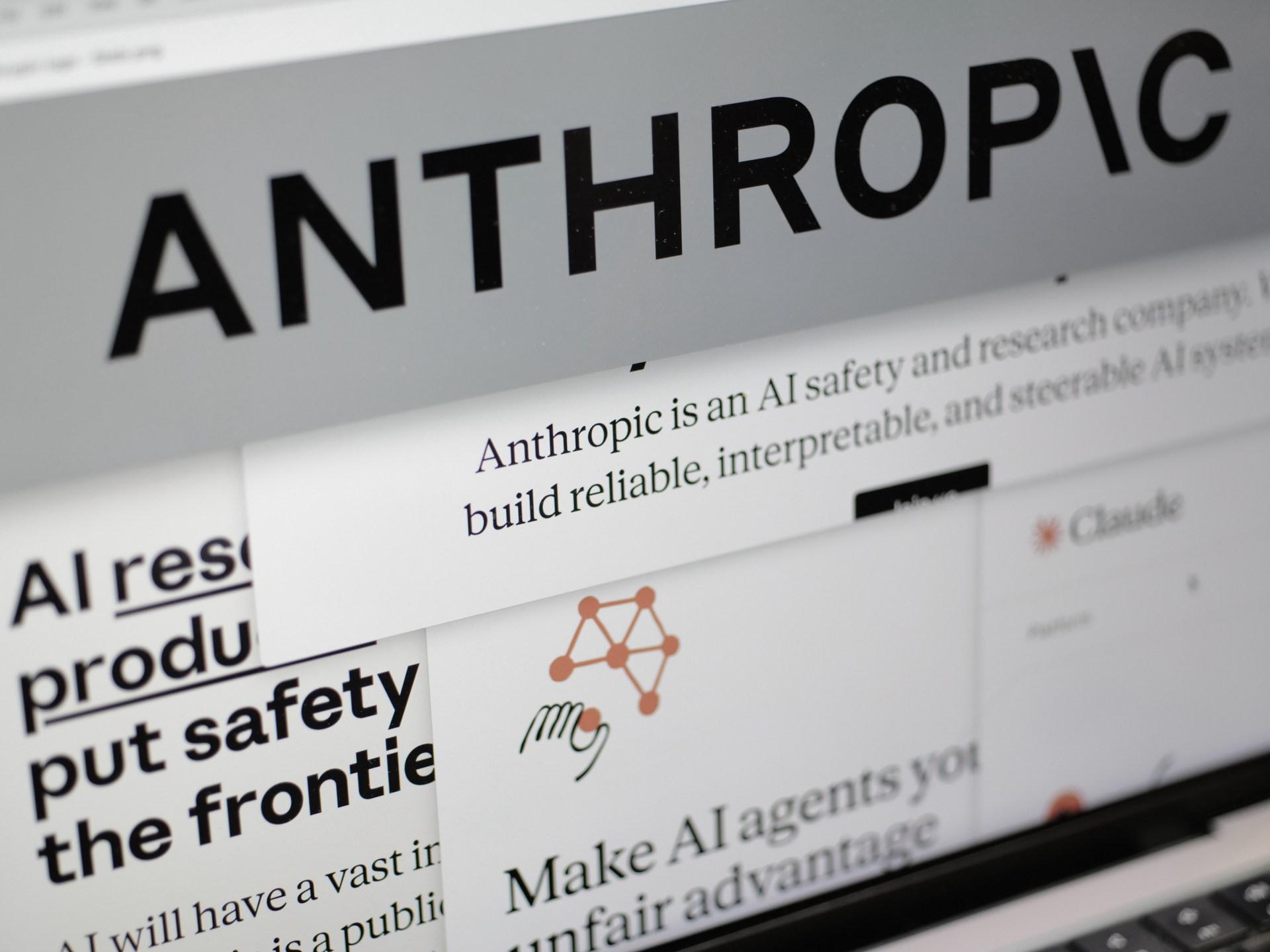
A United States Court of Appeals upheld the Defense Department's (Pentagon) decision to delist company Anthropic from its supply chains, following the company's refusal to remove certain safety controls from its "Claude" AI model. The court issued this ruling on Friday, confirming that the existing procurement regulation remains in effect.
The dispute began in February when Anthropic rejected a request by U.S. Defense Secretary Pete Hegseth to lift restrictions on using the "Claude" technology in autonomous lethal weapons and for mass surveillance operations of American citizens within the country. This followed the Pentagon's March designation of the company as a supply chain risk, which cancelled its military contracts and prevented other contractors from using its technologies.
Anthropic announced that this exclusion resulted in billions of dollars in lost business and reputational damage ahead of its highly anticipated initial public offering (IPO). President Donald Trump described repeated warnings by the company's CEO, Dario Amodei, regarding AI risks as "lies," while the White House strongly opposed these warnings.
In a statement, an Anthropic official said: "We respectfully disagree with the court's decision; another federal court has already ruled that parallel government labeling is illegal, and we remain confident in our position and are considering all available options, including legal review." The U.S. military previously used "Claude" technology in secret and sensitive systems, including the January operation to arrest and oust Venezuelan President Nicolás Maduro.
Analysis & context
Analysis & Context
From an analytical standpoint, this ruling represents a major legal and political turning point in the United States' relationship with general AI projects, combining national security considerations with domestic politics. The decision demonstrates that the U.S. government may use its regulatory powers against major tech companies even if they are leaders in innovation and the digital economy.
In the broader context, ongoing tensions between different U.S. administrations over the role of AI in military operations and civilian surveillance emerge. This dispute reflects a deeper divide within the American political and technological elite regarding the extent of risks posed by these new technologies and the necessity of imposing strict restrictions versus economic innovation freedom.
Furthermore, the court's decision raises questions about the future of investment in the U.S. AI sector, especially as Anthropic approaches its IPO, which was viewed as a major economic event that could affect global tech markets. This ruling may lead to a temporary or permanent freeze on major investments in AI companies that adopt cautious stances toward using their technologies for military purposes.
Finally, this event highlights the challenge facing U.S. tech companies in balancing strict national security requirements with AI ethics principles and privacy protection. This situation may push other companies to re-evaluate their compliance policies out of fear of facing the same fate as Anthropic.