Sourced fact
The News
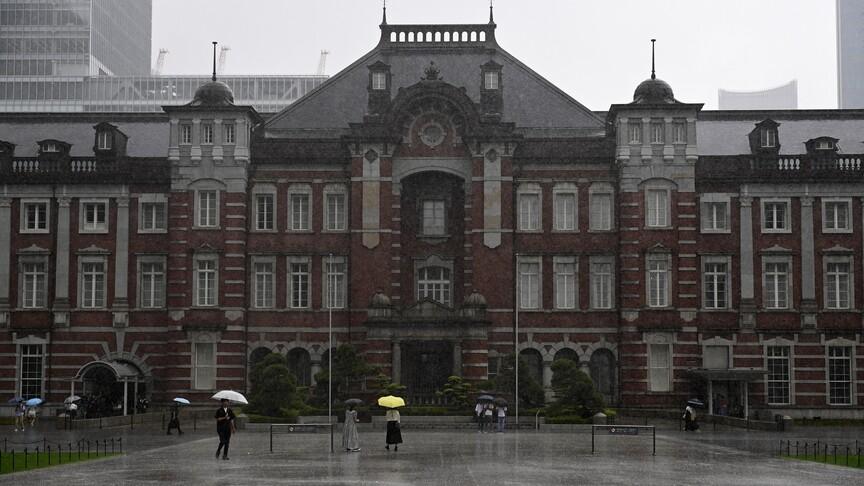
Anadolu Agency reported that the strong storm "Dowaan" hit parts of Japan last Friday, causing a power outage to more than 10,000 homes around the capital Tokyo. This storm brought record rainfall to eastern Japan, destroyed power and communication lines, and resulted in at least 11 deaths and 12 others missing as of the report's issuance.
The energy supplier TEPCO warned that the power outage could persist for an extended period due to road closures caused by landslides and fallen trees in wide areas, preventing work crews from inspecting damaged facilities in some locations. Reports indicate that affected areas include Chiba and Kanagawa prefectures, where residents are suffering from intense heatwaves and a severe shortage of household water following the storm's impact on the region.
In the context of ongoing recovery efforts, Tetsunori Ibashii, Japan's Minister of Land, Infrastructure, Transport and Tourism, pledged that the government would do "its utmost" to assist disaster victims. Kyodo News reports that hundreds of households lost all water supply after the storm struck the area in previous days, exacerbating the suffering of residents facing difficult conditions due to damage to essential infrastructure.
Analysis & context
Analysis & Context
From an analytical perspective, this event serves as an indicator of the increasing frequency of extreme weather phenomena in East Asia, where severe storms converge with record heatwaves to pose a dual threat to public safety and infrastructure. The extensive damage inflicted on energy and transportation networks reflects the vulnerability of major cities like Tokyo to sudden climate changes that exceed traditional response capacities in some rural and mountainous areas.
In a broader context, Japan faces growing challenges in managing natural disasters, particularly with deteriorating forest conditions and increased population density around coastal areas prone to flooding and landslides. Minister Ibashii's statements highlight the need to strengthen cooperation between public and private sectors to accelerate repair operations, especially since water and electricity outages during heat spikes pose a direct health risk to the elderly and children.
Furthermore, prolonged outages underscore the importance of investing in smart, weather-resistant power grids, as reliance on traditional transmission lines makes them susceptible to complete shutdowns even from minor damages such as a single fallen tree. This disaster offers an opportunity to reassess national emergency plans to ensure continuity of vital services even under worst-case climate scenarios.