Sourced fact
The News
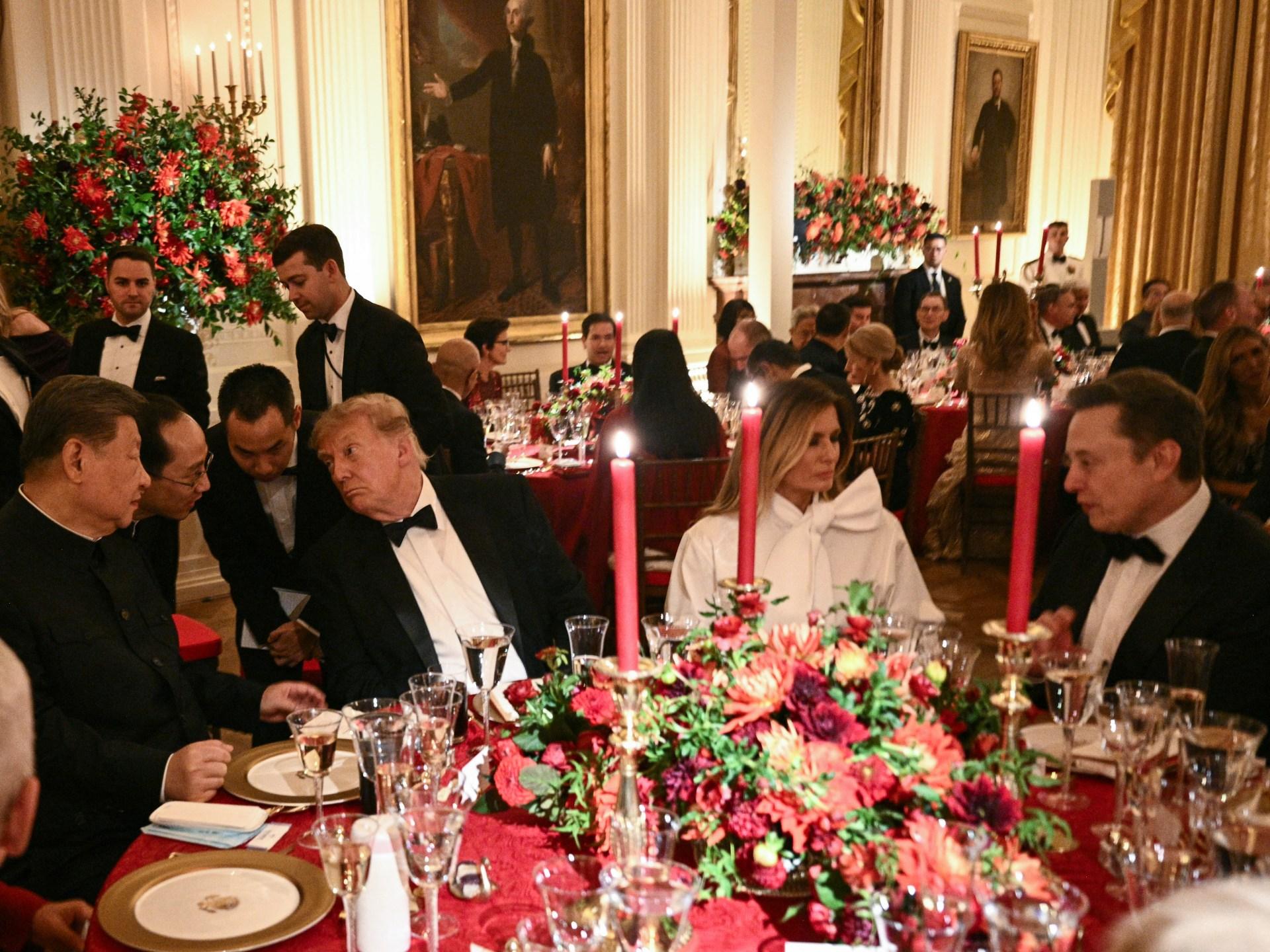
US President Donald Trump praised the discussions he held with his Chinese counterpart, Xi Jinping, during a three-day state visit by the Chinese president to Washington DC, describing them as "extremely fruitful." These sessions included discussions on sensitive issues such as artificial intelligence and the war in Iran. Trump confirmed that both sides will continue to meet next November in China, followed by the G20 summit in Florida in December.
Speaking to journalists on Friday, the US president said the two sides discussed the war in Iran, adding without giving precise details: "I think we will work wonderfully," and emphasized that this week was a "week of friendship, strength, and success" for both countries. During a tea ceremony at the White House, President Xi Jinping invited the US president and his wife to visit China, indicating the possibility of holding other meetings this year to strengthen bilateral relations.
In the context of the technology discussion, Trump noted that Xi Jinping prefers to call artificial intelligence "superintelligence" instead of its current name, a point both sides agreed upon. Trump added that he would order the renaming of this field in all official US government documents. Despite existing strategic tensions between the two countries in the technology sector, both presidents rejected calls within the US tech sector to slow down development pace out of fear of losing control over rapidly evolving technology.
Analysis & context
Analysis & Context
From an analytical perspective, Xi Jinping's visit to Washington represents a landmark event in international relations, especially as it marks his first official visit to the United States in over a decade. This move aims to demonstrate both countries' desire to maintain strategic stability based on respect, equality, and reciprocity, despite the significant challenges facing the relationship between the world's two largest economies.
In the broader context, the role of artificial intelligence emerges as one of the central axes in US-China relations, with Washington and Beijing seeking to open communication channels around this advanced technology. US trade representatives indicate that establishing communication channels regarding AI represents one of the main challenges both sides are trying to overcome, likening the situation to a "red zone" similar to that between the Kremlin and the White House during the Cold War.
China's stance on Iran also appears as another issue topping the agenda, where US Ambassador to China David Perdue confirmed that President Trump informed Xi Jinping that any direct or indirect support for Iran is "completely unacceptable." China has already confirmed it is moving away from supporting Iran, reflecting a shift in China's position regarding the Iranian file.
Finally, despite efforts to display work on maintaining harmony between the two largest economies, the talks did not achieve major breakthroughs in trade issues or AI safety. These discussions remain part of a US-China strategy aimed at managing strategic competition without direct escalation, focusing on specific areas such as technology and national security.