Sourced fact
The News
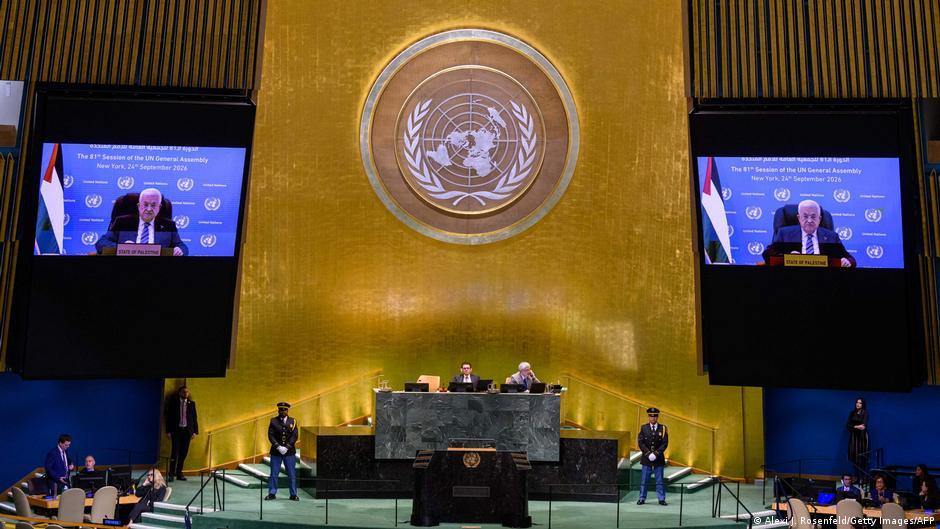
At the conclusion of the general debate of the 88th session of the United Nations General Assembly, German Foreign Minister Johann Wadiboul met with his Russian counterpart Sergey Lavrov on the sidelines of the sessions to discuss the situation of the war in Ukraine and international tensions. Although the meeting was the first encounter between the two parties since Russia's invasion of Ukraine in 2022, it revealed the depth of the divisions that still exist between the two countries, with no significant positive developments.
German Foreign Minister explained that the talks were extremely tense and once again confirmed the large gap between Germany and Russia regarding the ongoing war, where both sides refused to reach an agreement on the main points of contention. Wadiboul stated that he offered to reduce tensions, especially concerning Ukraine, but found no receptive ears from the Russian side, emphasizing that Germany does not accept any incidents such as the alleged drone attack on Leipzig airport, which Berlin blamed on Moscow.
On his part, Lavrov described the meeting with the German Foreign Minister as unnecessary and said he heard nothing new that differed from Berlin's general position on the conflict. The Russian diplomat indicated that it could have simply contacted him directly and asked him to read his statement instead of holding an official meeting, reflecting the severity of tensions between the two countries and the lack of desire for constructive dialogue.
He also called on the international community to regulate the use of artificial intelligence and carry out deep reforms at the United Nations to face the new challenges facing international institutions. Wadiboul warned that concentrating such powerful technology in the hands of two countries or a few companies carries immense responsibility for humanity and could endanger the infrastructure of societies.
In another context, India called for reducing tensions in the Arabian Sea and the Strait of Hormuz to ensure freedom of maritime navigation and protect ships from attacks. Meanwhile, Chinese Vice President Han Zheng criticized unilateral military actions and stressed the need for major powers to adhere to international rules to avoid escalating global conflicts.
Analysis & context
Analysis & Context
From an analytical perspective, Germany's position at the General Assembly represents its commitment to international law principles and defending the sovereignty of small states against pressure from major military powers. Focusing on the two-state solution reflects a growing international consensus that a political solution is the only way to end long-term conflicts that harm global security.
In a broader context, the role of artificial intelligence emerges as one of the most important new challenges facing the international community in the 21st century. The focus of major powers on regulating this technology reflects genuine concern about a limited number of companies or countries controlling tools that could fundamentally change the global balance of power.
Furthermore, the continued tensions between Germany and Russia over Ukraine illustrate the depth of the geopolitical division currently experienced by the world. The failure of bilateral talks to achieve any notable progress indicates that resolving major conflicts requires strong political will from the international community as a whole, not merely limited bilateral initiatives.