Sourced fact
The News
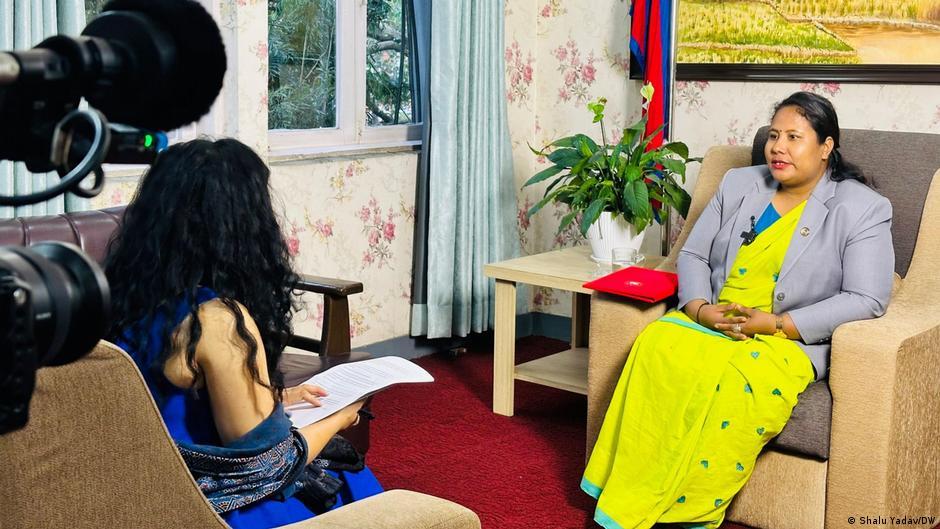
Nepal is seeking $20 million from the United Nations Loss and Damage Fund to compensate for irreversible climate damages suffered after floods and landslides killed over 1,400 people in August. Nepali Environment Minister Gita Poudel confirmed that the country has officially submitted its request and noted that most countries have responded positively to the initiative. This move aims to address what the Nepali government describes as an unfair climate burden forcing developing nations to bear catastrophic consequences despite their minimal contribution to global emissions.
The minister emphasized that sympathy alone is insufficient and that Nepal needs climate justice, not just words, urging major gas-emitting nations to pay for disasters like those facing Nepal. She highlighted that while Nepal contributes only about 0.1% of global greenhouse gas emissions, its geography makes it highly vulnerable to climate risks stemming from Himalayan glacier melt.
These comments come as Nepal builds momentum ahead of the UN Climate Change Conference COP31, scheduled for Turkey this November. The minister pledged that Nepal will not accept negotiations around vague promises or slow-moving traditional aid. She stressed the urgent need to address mountain issues and recognize Himalayan nations as victims paying the price, calling on the world to focus on mountain region risks often overlooked in global discussions.
The minister also noted that the Nepali government is now considering improving early warning systems following criticism from residents of affected areas who felt warnings were delayed or failed to reflect the true scale of danger. She confirmed that hydrology and climate administrations are currently reviewing and strengthening monitoring mechanisms overwhelmed by the magnitude of the catastrophic event.
Ministers called for enhanced cooperation with neighbors, especially China, in monitoring river systems and glaciers crossing national borders to share information and study future risks. The minister concluded her warning that melting snow and lakes pose serious threats, stating that the world is not moving fast enough unless the 2015 Paris Agreement is adhered to avoid more severe disasters in the future.
Analysis & context
Analysis & Context
From an analytical perspective, Nepal's request represents a strategic shift in international climate discourse, transitioning discussions from mere humanitarian emergency aid to the concept of "climate justice," which links historical responsibility of industrialized nations with damages borne by poor countries. This demand arrives as the UN anticipates the 23rd Conference of the Parties (COP31) in Turkey this November, where Nepal seeks to build political momentum to advance the agenda toward recognizing mountain region challenges.
In a broader context, Himalayan nations face unique vulnerabilities making them more exposed to climate change risks compared to other continents. Rising temperatures accelerate glacier melt and fundamentally alter precipitation patterns. Scientific reports indicate these regions suffer from permanent soil erosion and fragile ecosystem collapses, rendering them susceptible to unpredictable extreme weather events without detailed causal studies linking specific disasters to global warming.
This event also highlights the importance of regional and international cooperation in managing cross-border risks, particularly regarding river system monitoring and glacial hazards crossing national borders between Nepal and neighbors like China. The minister emphasized that the Nepali government is working closely with technical teams from neighboring countries to share information and assess future risks, reflecting the need for a comprehensive collaborative approach to address shared regional climate challenges.
Finally, the disaster reveals gaps in Nepal's own early warning systems, where residents of some affected areas complained about delayed warnings or their inability to reflect the true magnitude of danger. The minister acknowledged these systems were overwhelmed by the event's scale, prompting the government to review and strengthen existing monitoring mechanisms while working to improve hydrology and climate systems for more effective future responses.