Sourced fact
The News
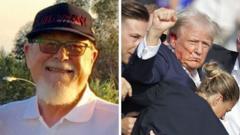
One of the three victims shot during a campaign rally for Donald Trump in Butler, Pennsylvania, has died due to complications from his injuries. Official sources indicate that Jim Copeland, 76, died Wednesday at a Pittsburgh hospital after being shot from a nearby building's roof.
A lawyer for the victim's family stated that Copeland's dedication to serving the United States was an essential part of his life, noting he was a former soldier who proudly served his country. In a joint statement with local media outlets, the Allegheny County medical examiner's office confirmed the death of the victim, who was shot twice in the arm and abdomen.
Former President Donald Trump posted on his social media platform "Truth Social" that Jim was a "true American patriot," explaining that the shooter tried to curb their movement's first step for over two years but many patriots stood side by side to defend values of freedom and justice. Trump also expressed condolences to Copeland's family, especially his wife Marian, whom he described as "amazing."
Another lawyer noted that Jim was suffering from infections and surgeries following the injury, confirming he had been walking with a cane earlier due to a bullet still lodged near his back. In an interview conducted a year before the incident, Copeland mentioned that along with the third victim, David Duch, they both faced severe health challenges after being shot.
Also, in June last year, the victim's family lawyers denied federal government responsibility for their injuries, claiming the Protective Agency failed to ensure their safety. Members of the Republican Party in the U.S. House of Representatives also offered condolences, describing how Jim endured unimaginable suffering with strength and determination.
Analysis & context
Analysis & Context
From an analytical perspective, this event continues the ongoing debate surrounding the U.S. intelligence agency's responsibility for protecting high-profile political figures during public gatherings. Copeland and Corey Comperatore filed a lawsuit against the federal government in June, claiming that the agency's failure to ensure their safety made it responsible for their severe injuries.
In a broader context, this news highlights the security risks facing major political rallies in the United States, especially those related to Donald Trump's presidential candidacy in 2024. The Paterson incident shows how political events can turn into arenas for extreme hostility, raising questions about the effectiveness of current security measures.
The widespread response from Republicans in the U.S. House of Congress to Copeland's death, describing him as enduring unimaginable suffering with strength and determination, reflects the complex relationships between politicians and victims following terrorist or extremist attacks. This stance is part of efforts to maintain party cohesion in the face of security crises.
Finally, this highlights the role of media and law in documenting details of such incidents, where CBS News reports and the prosecutor's office statements played a crucial role in bringing the truth to the public. It also demonstrates how digital platforms like "Truth Social" are used by political figures to express their positions and offer condolences during difficult times.