Sourced fact
The News
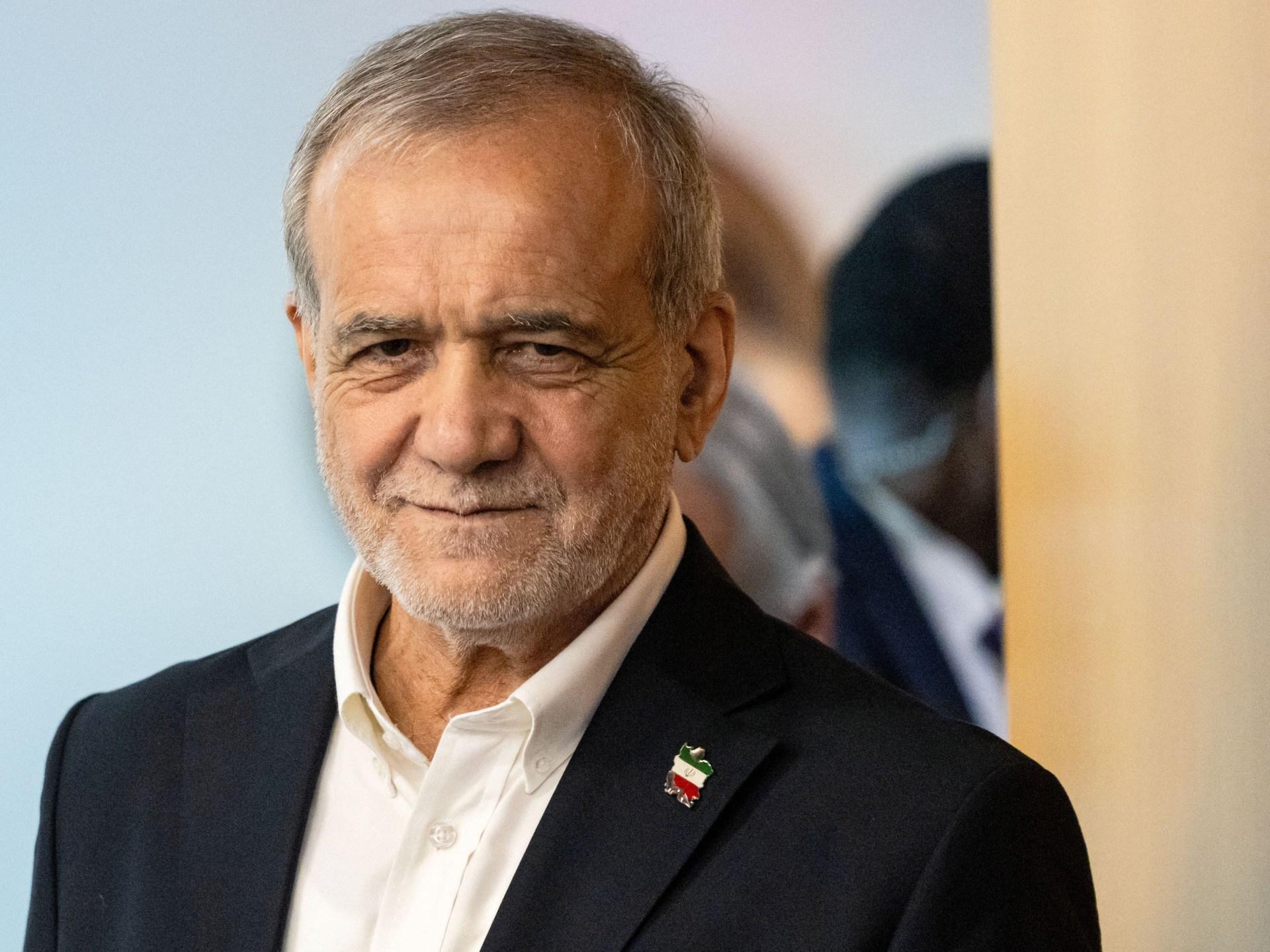
President Iranian Masoud Pizehyan confirmed in an interview with Al Jazeera Net that Tehran has lost trust in American negotiations following a series of attacks and sanctions that followed previous rounds, noting that Iran is awaiting a response to its latest proposals to end the war. President Pizehyan stated that the American side does not deserve trust and there is no basis for reaching any agreement with them based on the current background of the crisis.
During his visit to the United States, Iranian Foreign Minister Abbas Araghi presented an emergency plan aimed at ending the fighting in the Israel-Iran war and opening the Strait of Hormuz within seven days. The plan includes lifting the naval blockade on Iran, canceling oil sanctions, and releasing $12 billion in frozen assets. In return, Iran has pledged to open the strait, through which a large portion of global energy trade passes, before the war erupted and to resume commercial navigation in it immediately after the conflict ends via negotiation.
President Pizehyan described the closure of passages against Iran as a natural response to the cutting off of roads by the United States, calling for resolving the crisis through dialogue instead of military force. He also accused Washington and Israel of being two aggressive nations that have tried to involve regional countries in the war, believing that the Iranian regime would collapse quickly, while affirming that Iran has not attacked any country during the past 200 years.
President Pizehyan emphasized that sanctions imposed on Iran come from the same entities that cut off food and water to Gaza, clarifying that those who believe it is possible to target Iranians through these sanctions have miscalculated their accounts. He also called for achieving regional security through cooperation among the countries of the region itself without needing an "regional policeman" imposed on everyone.
President Pizehyan noted that negotiations are taking place via Qatar and Pakistan, which are acting as mediators to convey Iranian messages to Washington, relying on a previous memorandum of understanding between the two parties in June that ended last month. He also denied Iran's involvement in events in Yemen, affirming that the Houthis are independent of Tehran, and calling on the Yemeni parties and Houthis to resolve their differences through dialogue instead of fighting among brothers.
On the internal front, President Pizehyan affirmed the unprecedented unity of the country amidst attempts by Iran's enemies to sow discord, announcing his meetings with Supreme Leader Ali Khamenei to discuss core issues. He concluded his remarks by saying that the United States and Israel are seeking to prevent Iran from achieving self-determination, while Iran will invest in its people to achieve this goal.
Analysis & context
Analysis & Context
From an analytical perspective, Pizehyan's statements indicate a strategic shift in Iran's stance, moving from direct confrontation language to seeking diplomatic solutions through regional mediators such as Qatar and Pakistan. This shift reflects an Iranian realization that military pressure and sanctions have not succeeded in breaking the will of the regime, pushing for testing diplomatic channels as the sole alternative to ending the war.
In a broader context, the closure of the Strait of Hormuz represents a serious threat to global energy supplies, as a significant portion of oil trade passes through it. Reopening the strait is not just a technical measure but a major political step that could alter the balance of power in the region and reshape the dynamics of conflict between Iran and the West.
Moreover, Pizehyan's call for Islamic countries to cooperate without needing a "regional policeman" points to Tehran's effort to enhance its leadership role in the Islamic world and resist attempts to divide Islamic states in favor of American-Israeli interests. This stance aligns with Iranian rhetoric that combines demanding rights over the nuclear program with rejecting external interference in internal affairs.
Finally, linking the sanctions imposed on Tehran with the siege on Gaza places the regional conflict within a broad ethical and political framework that connects the fate of peoples in the region to one another and condemns foreign powers' policies that he believes exploit crises to achieve their interests.