Sourced fact
The News
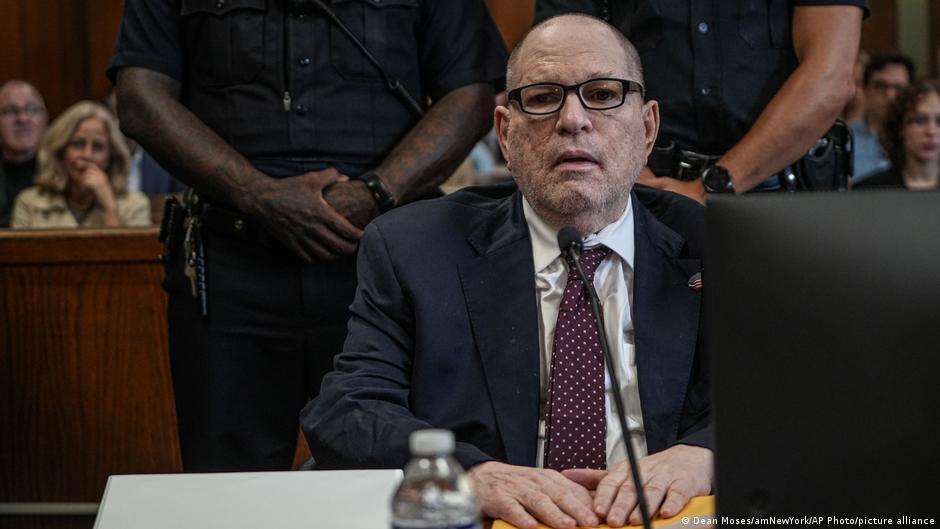
Veteran director Harvey Weinstein was re-sentenced to 15 years in prison on Wednesday for the sexual assault of former production manager Miriam Hall in 2006, according to a report by Deutsche Welle. The previous sentence of 23 years imposed in 2020 had been overturned following legal challenges filed in 2024, before a new jury found him guilty again in 2025.
Weinstein, who is 74 years old and sits in a wheelchair, admitted to the victim's pain while expressing remorse but reiterated his innocence before the judge during the retrial session. Hall described the assault as akin to "a life sentence," noting that the experience destroyed her sense of safety and well-being in an irreparable way.
The prosecution sought a 20-year prison term, but Weinstein's lawyers warned that any longer sentence could lead to his death in prison due to his fragile health condition. The former producer also faces resentencing in a separate criminal case in California related to charges of rape and assault on an actress at a Los Angeles hotel in 2013.
Meanwhile, the prosecution stated it would not seek a fourth trial regarding the assault on actress Jessica Mann, after a court in New York ordered a halt to the third trial due to the jury's inability to reach a verdict. A 2020 conviction in the Mann case had previously been overturned due to mishandling of witnesses, while the case also concluded in 2025 with another mistrial order.
Weinstein's lawyers have requested a reduced sentence, claiming their client is suffering from deteriorating health due to blood disorders, heart failure, and kidney issues he currently faces.
Analysis & context
Analysis & Context
From an analytical perspective, this new verdict represents a continuation of the trauma that has shaken the global film industry since the #MeToo movement erupted in 2017, which exposed a systematic pattern of using power in Hollywood to enforce sexual favors. Weinstein's story has transformed from a personal scandal into a symbol of how the greatest "king" in Hollywood history fell when accusations piled up, leading to a reevaluation of the roles played by veteran producers and their influence on the careers of actors and staff.
In a broader context, this case reflects deep shifts in laws and criminal cases related to sexual harassment and assault in the United States, where courts have become more sensitive to victims' health and evidence details. It also highlights the contradiction between prosecutors' requests for harsh penalties and defense attorneys' focus on the defendant's health condition, placing the judiciary before complex ethical and legal dilemmas regarding balancing victim justice against the rights of a defendant with deteriorating health.
The continuation of cases linked to Weinstein, such as the Jessica Mann case, indicates that the judicial system is still grappling with the complexities of these files that have spanned many years and witnessed multiple convictions overturned or retried. This persistence in legal procedures underscores the importance of transparency in handling sexual assault cases and highlights how changes in legal procedures can fundamentally affect the course of justice in such sensitive situations.