Sourced fact
The News
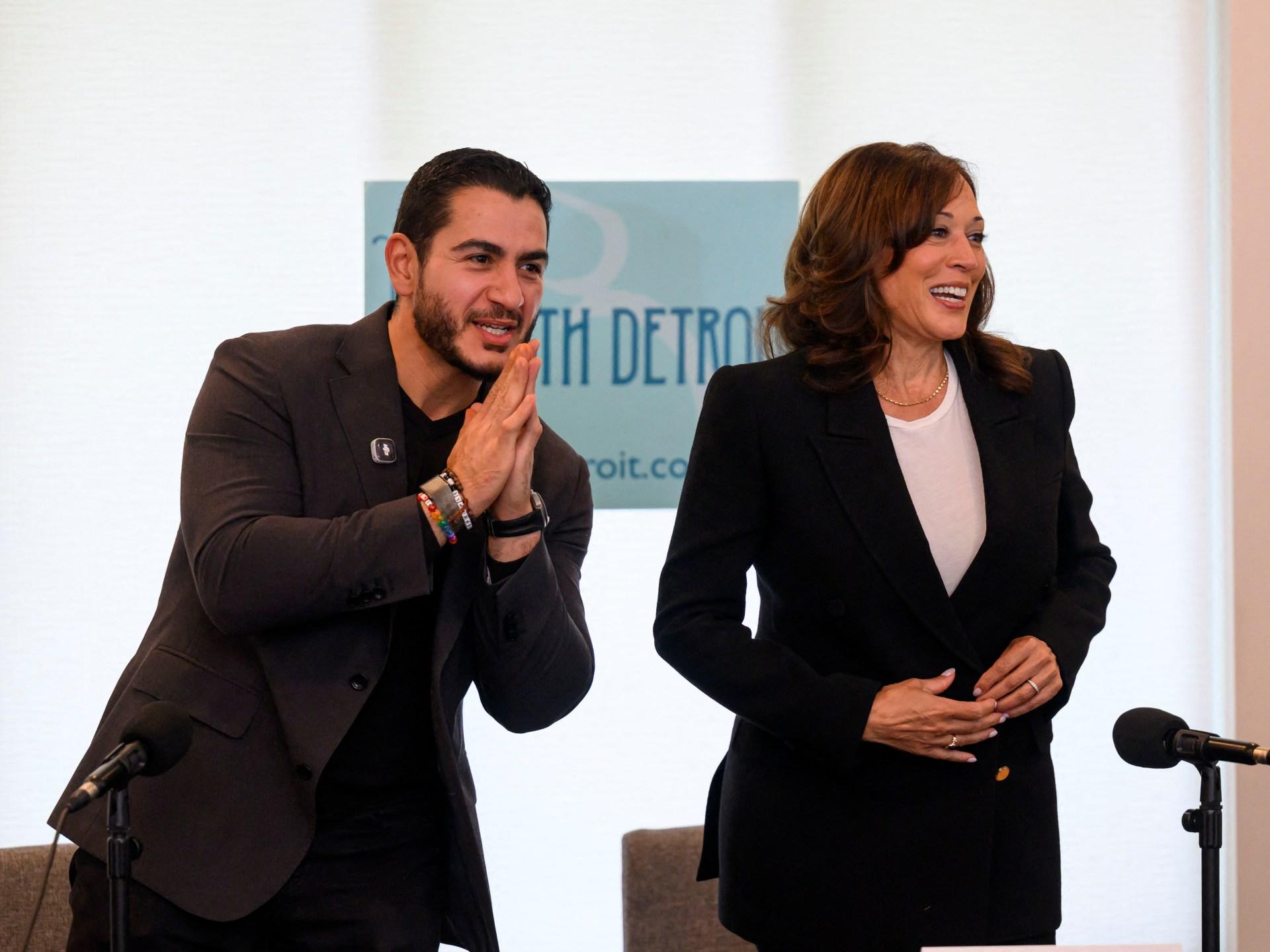
Abdullah Al-Sayed, the Democratic candidate for Senator in the U.S. state of Michigan, announced his visit to former President Kamala Harris's office in Detroit with the aim of unifying the Democratic ranks ahead of the upcoming elections. This visit took place on Tuesday amidst efforts by the Democratic party to bridge internal divisions that emerged during last month's primary election between Al-Sayed and Congresswoman Haley Stevens.
Al-Sayed clarified that the purpose of the meeting is to build an electoral coalition focused on economics and serving voters facing material hardships. He noted that Harris's presence in Michigan would strengthen unity within the party by addressing communities that have drawn political voice throughout her career.
Black voters are considered a decisive factor in this campaign, especially after Al-Sayed failed to win their support during the August primary elections. The visit comes as an attempt to correct the party's course following Harris's loss of the presidency against Donald Trump in Michigan, where many Arab Americans withdrew their support due to her policies toward Israel.
Al-Sayed called for solidarity, stating that the 2024 elections ended as they did due to the inability to find common ground that brings people together. He denied allegations made by Mike Rogers' campaign team—the Republican candidate backed by Trump—that Harris's visit indicates weakness among Democrats.
Speaking in Detroit, Al-Sayed said we do not need to agree on everything to understand what is at stake and urged them to stick to shared economic priorities. He added that the only path forward lies in making the difficult effort to bring people into the same room and work together toward a common goal.
Analysis & context
Analysis & Context
From an analytical perspective, Harris's visit represents a strategic attempt to realign the Democratic party in Michigan, which has witnessed sharp divisions among its various factions. This stance reflects the urgent need to rebuild traditional coalitions with Arab and Muslim voters who have shifted significantly due to certain policies toward Israel.
In a broader context, this visit indicates that the November election race will not merely be a contest for seats but an internal battle to unify the party in the face of increasing economic and political challenges. Democrats face a double challenge: they must unite internally while maintaining support from independent voters and moderate Republicans who lean toward Trump.
Furthermore, Al-Sayed's rejection of Rogers' campaign criticism regarding Democratic weakness reflects a shift in American political discourse toward focusing on shared economic priorities rather than getting bogged down in ideological differences. This shift may open new avenues for re-engaging voters who felt neglected in the last presidential race.