Sourced fact
The News
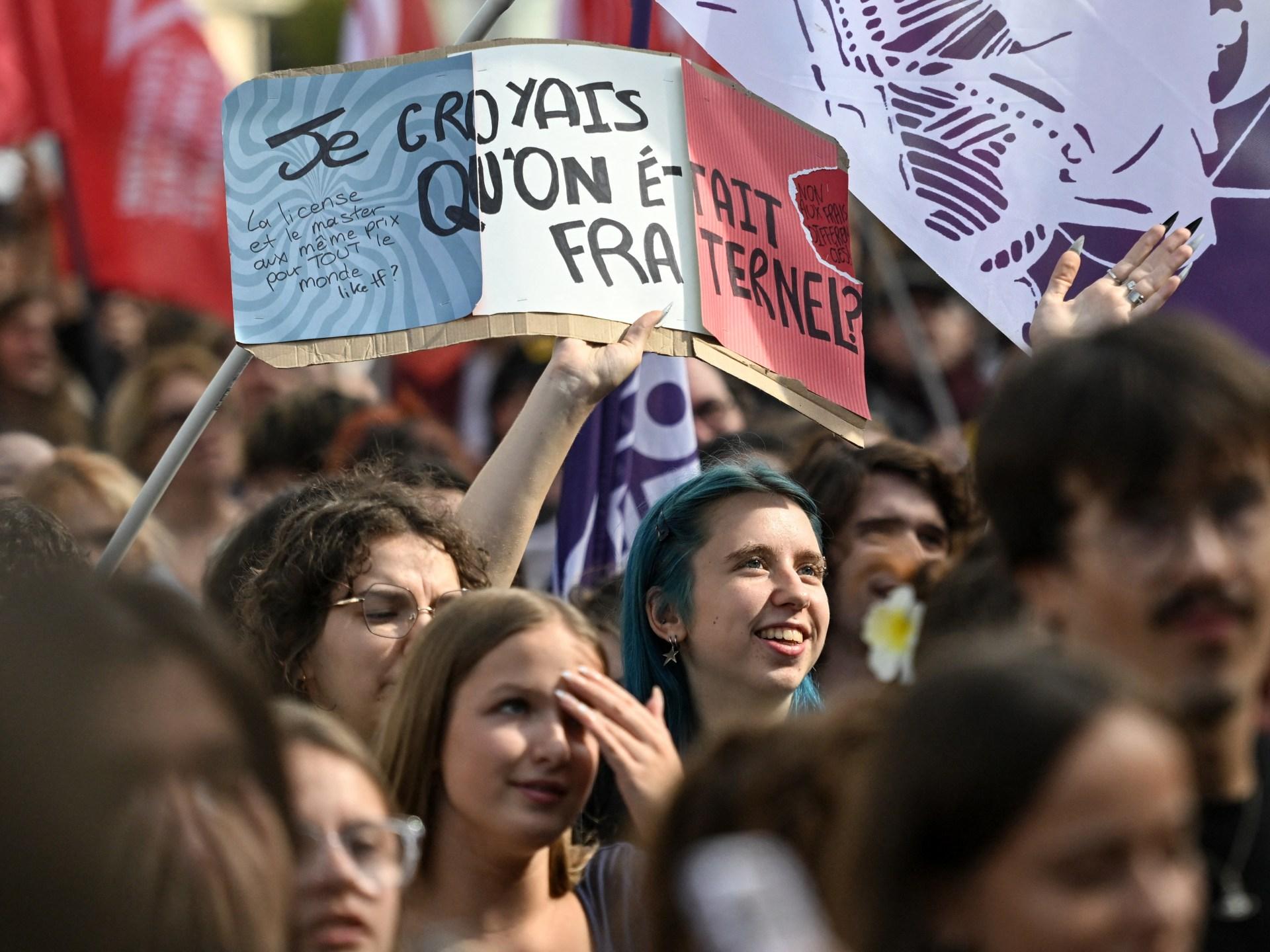
Widespread protests have erupted in France due to poor conditions in secondary schools, with students and teachers halting educational activities in many schools. According to the French Ministry of Education, the protests have affected around 400 out of 3,700 secondary schools in the country. The protests began in the Paris area before spreading across France, with some schools witnessing violent acts such as burning trash bins and throwing bottles at police.
The French Interior Ministry stated that 440 people were arrested during the protests, with 48 police officers injured. Reports indicate that the police responded by using tear gas and batons against the demonstrators. Interior Minister Laurent Nunez stated that there is no justifiable reason for creating confrontations with the police.
The protests represent students' demand for improved educational conditions, including large class sizes, teacher shortages, and poor physical conditions of schools. Vincent Latorre, a professor of British studies at the University of Toulouse, noted that these protests followed summer fires that revealed infrastructure issues in schools. Latorre said, "Students are demanding adequate educational conditions for students."
The protests coincided with a general strike in the public sector against the government's budget plan, which includes funding cuts of 54 billion euros. According to Caroline Chev, the general secretary of the French Education Union, both students and teachers share the same frustration over poor educational conditions. Riad Rani, president of the High School Students' Union, called for the closure of schools nationwide and urged protesters to remain calm. Rani said, "We are talking about students aged 15 to 18, and the government has only responded with repression."
Analysis & context
Analysis & Context
Analytically, these protests highlight the worsening problems in the French education system, including overcrowded classrooms and a shortage of teachers. They also reflect the growing tension between the government and French youth, who feel frustrated by difficult living conditions and government policies. In a broader context, these protests come at a time when France is facing economic and social challenges, such as rising fuel prices and budgetary pressures on the government. This increases political pressure on President Macron ahead of upcoming presidential elections, as he seeks to gain support for his economic plans.