Sourced fact
The News
European Union countries reached an agreement following extensive debate to extend the sanctions regime against approximately 3,000 Russian individuals and companies for three years until September 2029, with two Russian billionaires being excluded from this list. This decision came after France and Luxembourg requested special exemptions for Alisher Usmanov and Mikhail Fridman before the deadline that required unanimous approval from all member states.
An Irish spokesperson, who is currently chairing the EU presidency, clarified that the agreement aims to avoid renewed debate on long-term sanctions duration, while Ukrainian President Volodymyr Zelenskyy praised European Commission President Ursula von der Leyen's readiness to add more Russian names to the list. However, Ukraine strongly criticized the decision to lift sanctions against Russian oligarchs, describing the move as "shameful and unjustified," believing that Moscow celebrated its evasion of punishment and the division among Europeans.
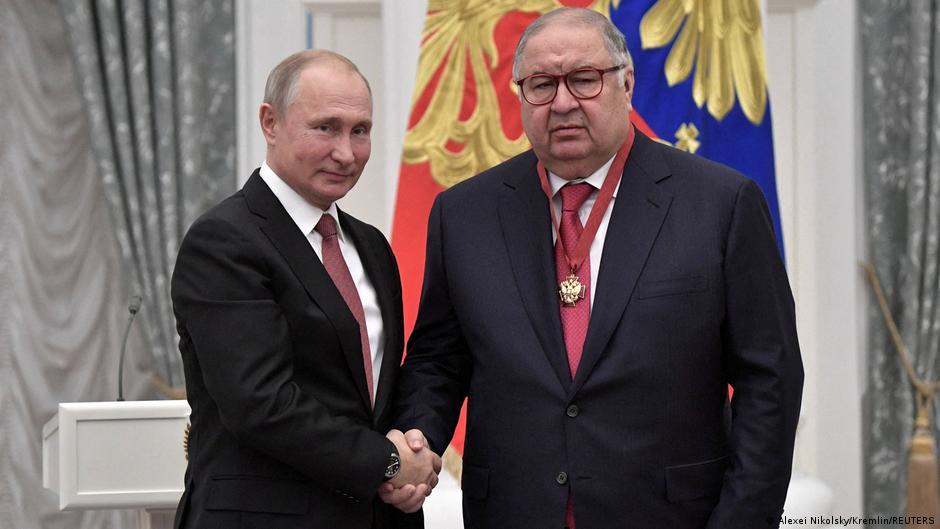
Ukrainian Foreign Minister Andriy Sybyha stated via social media that Moscow received what it wanted: impunity and humiliation of the European Union. Zelenskyy emphasized that wars end with strength and clarity, not by concessions to aggressors' allies. Kyiv called on EU member states to impose national-level sanctions specifically on Usmanov and Fridman, whom Ukraine accuses of close ties to Vladimir Putin.
Usmanov's wealth is estimated at $14 billion, while Fridman's wealth stands at $16 billion; both are among Russia's wealthiest individuals owning major companies such as USM Group and Alfa Group. France requested Usmanov's exemption citing national security concerns without providing further details. The decision to exempt Fridman followed his legal action against Luxembourg worth €15 billion regarding his frozen assets.
Analysis & context
Analysis & Context
From an analytical perspective, this agreement represents a subtle turning point in the EU's policy toward Russia, balancing the need to maintain sanctions regime unity and avoid internal divisions with political and economic pressures from specific member states. The decision demonstrates that European consensus is not always guaranteed and cannot be ensured without significant concessions that may anger Ukraine's allies and opponents of Russian President Vladimir Putin.
In a broader context, this disagreement reflects increasing tension between Western European countries' interests and Ukraine's war objectives, as nations like France and Luxembourg seek to protect their specific economic or political interests even at the expense of the unified stance against Russian aggression. The decision to lift sanctions on oligarchs clearly linked to President Putin's system highlights how deep economic ties can override geopolitical considerations during crises.
Historically, EU sanctions on Russia aimed to weaken its military and economic capabilities without causing a complete economic collapse within the Union itself; however, exceptions like these undermine the credibility of the sanctions regime and open doors to multiple interpretations regarding the seriousness of Europe's position. Increasing such exemptions may lead to questioning the EU's ability to impose effective restrictions on Moscow in the near future.
Finally, this event highlights complex dynamics within the European Union where member states struggle over national priorities versus collective interests, weakening the strategic cohesion needed to face major security challenges like the war in Ukraine. Continued disagreements may erode trust among European partners and reduce the effectiveness of joint responses to external threats.