Sourced fact
The News
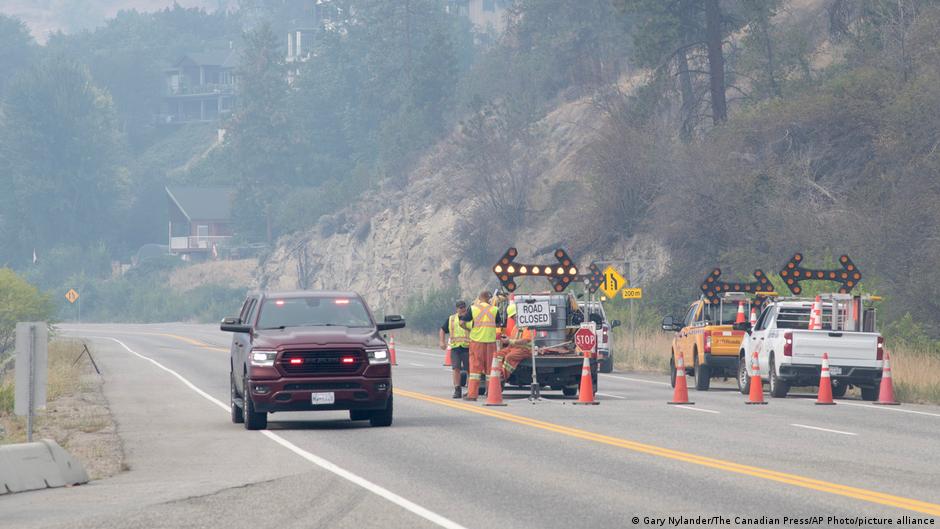
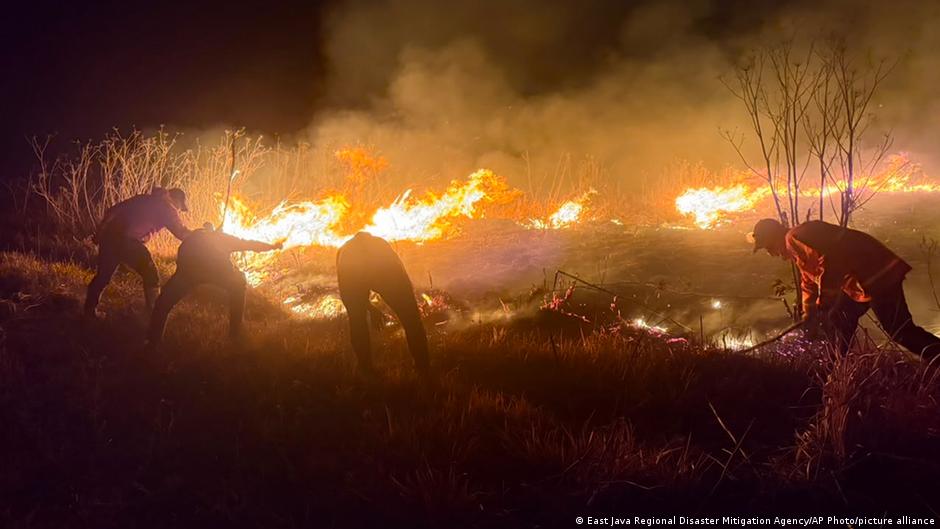
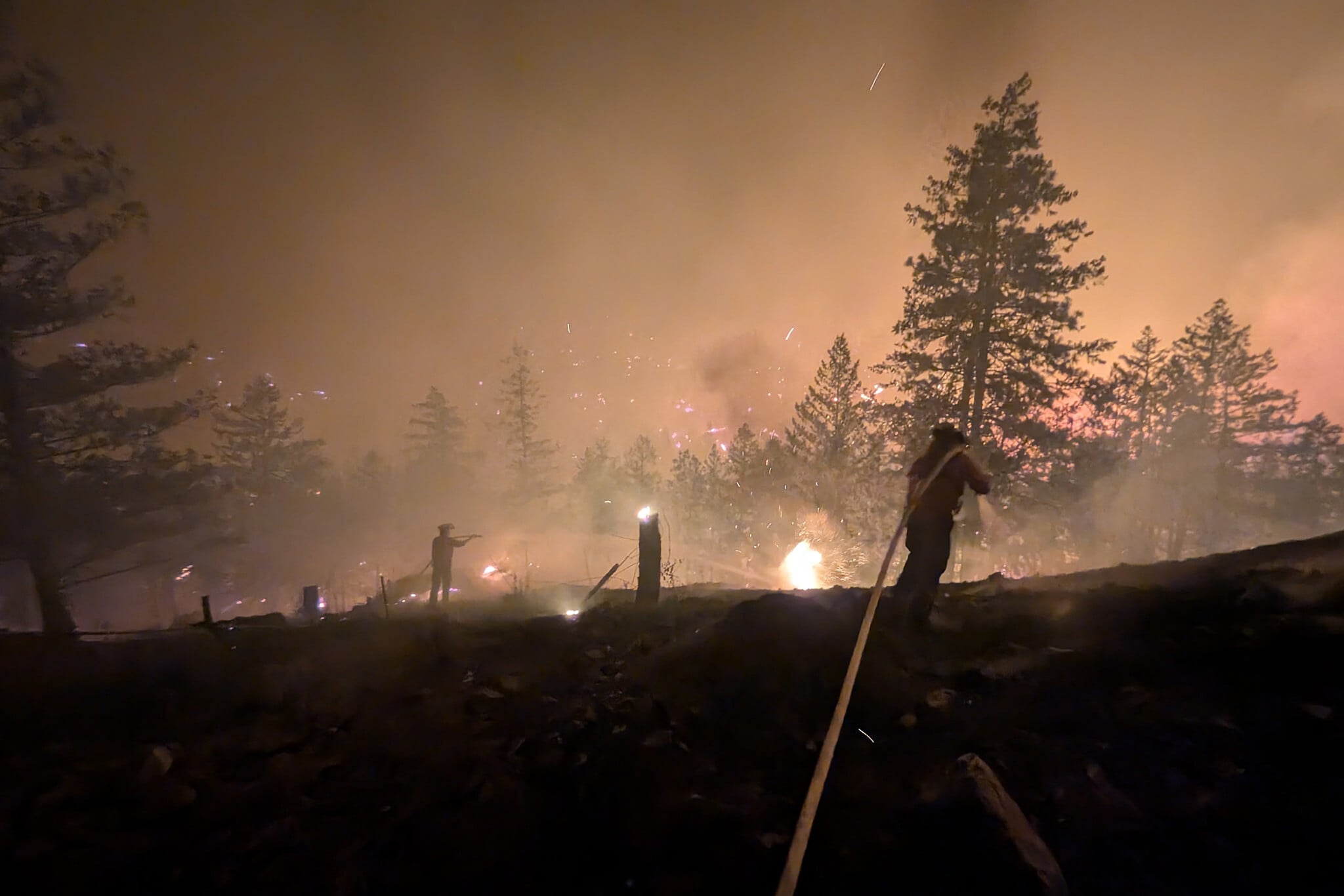
According to The Times of Israel, rescue aircraft rescued 50 people while more than 100 fires continue to burn, half of which are not under control, and homes have been destroyed as warnings are issued regarding “explosive” conditions that could threaten further communities.
Analysis & context
Analysis & Context
From an analytical perspective, the wildfires in Canada, particularly in British Columbia and Ontario, represent a case study of the escalating climate challenges facing resource-based regions. Rising temperatures and drought – consequences of climate change – increase the risk of forest fires and make them more easily ignited and expansive. These conditions are not new, but their increased frequency and intensity have raised growing concerns about the future of these areas and the necessity for effective preventative measures.
In a broader context, these wildfires also highlight the importance of disaster preparedness and efficient responses to natural disasters. The scale of evacuation – reaching 20,000 people – demonstrates the severity of the situation and underscores the need for precise planning and rapid implementation of rescue and relief operations, as well as cooperation between local and national governments and emergency response agencies. The challenge isn't just extinguishing the fires, but also protecting residents and property and minimizing environmental damage.