Sourced fact
The News
Following the conclusion of the UN General Assembly summit held in New York, the international arena witnessed a surge of intensive diplomatic activity aimed at breaking the deadlock in the ongoing war between Iran and the United States. President Donald Trump addressed his speech before the General Assembly by issuing repeated threats against Iran, while the other side utilized this gathering to conduct secret direct communications behind the scenes.
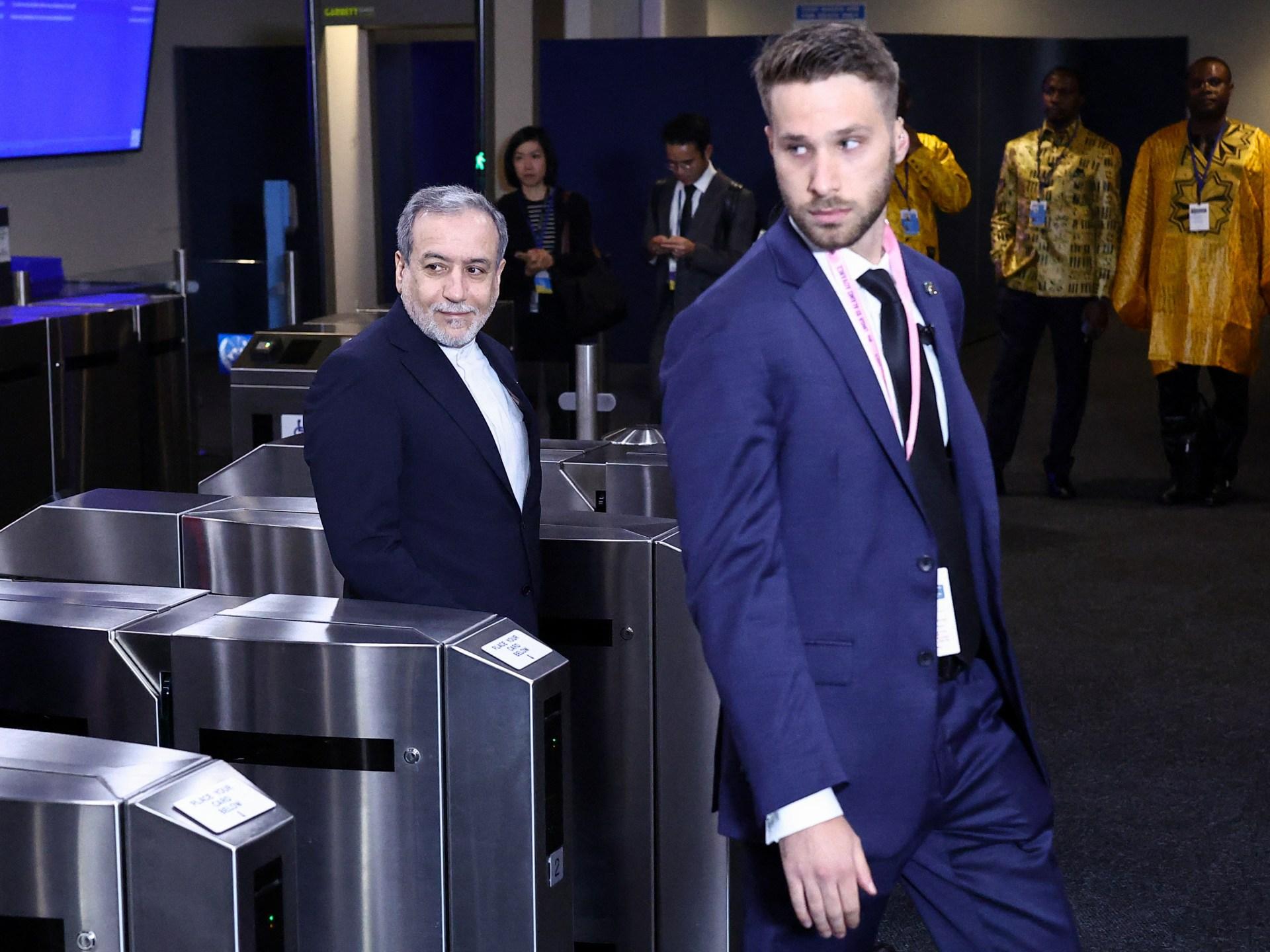
In an unprecedented move, US Special Envoy Steve Witkoff and Jared Kushner met with Iranian Foreign Minister Abbas Araghchi in a session lasting three hours, which Trump described as "very good" and "productive." Additionally, Iranian President Masoud Pezeshkian arrived in New York early Wednesday morning to become the first leader of a state involved in a war with the United States to step onto American soil since the outbreak of the conflict.
Analysts suggest that these indirect talks are part of serious efforts to return both parties to the negotiating table after the collapse of the understanding notes agreed upon in Pakistan last month. However, experts indicate that reaching a real agreement within the current week appears unrealistic given the fundamental disagreements between Washington and Tehran that remain unresolved so far.
Sanam Fakhil from Chatham House stated that the current situation is too early to achieve a real diplomatic breakthrough, noting that previous negotiations ended with military wars, creating mutual distrust. She added that any future agreement will depend heavily on the approval of the Iranian Revolutionary Guard and hardliners in local leadership, not just official negotiators.
The Strait of Hormuz remains the biggest obstacle to peace, which Tehran considers a key pressure card it does not wish to give up without strong guarantees, while Washington seeks to reopen it alongside rising oil prices and approaching mid-term elections. Moreover, calm in the strait will not automatically translate into calm in the Red Sea or Yemen, where tensions between Houthis and the Saudi coalition are intensifying.
Analysis & context
Analysis & Context
From an analytical perspective, experts like Sanam Fakhil from Chatham House view expectations of a real agreement this week as unrealistic despite genuine movement toward reigniting negotiations. Reports indicate that both sides may be engaging in some political posturing while fundamental differences between Washington and Tehran remain unresolved, especially with continuing reciprocal military threats making trust extremely difficult.
In the broader context, Gulf states such as Qatar and Oman play a pivotal role as mediators because they possess communication channels with both sides and a strong interest in preventing escalation after bearing the costs of fighting since February. The importance of these states lies in their ability to translate general political messages into practical arrangements around sensitive issues like the Strait of Hormuz and regional security, while China holds economic and political influence that can encourage concessions without leaving Iran completely isolated.
The issue of the Strait of Hormuz remains the main stumbling block in any future negotiations, as Tehran considers it its strongest pressure card and does not wish to give it up except against absolute guarantees, while Washington wants it open for economic and political reasons especially with US elections approaching. Furthermore, calm in the Strait of Hormuz does not necessarily guarantee calm in the Red Sea, meaning Yemen's stability may be affected again by any changes in the dynamics of the Iran-US conflict.
Finally, diplomats face a major challenge in crafting a formula that both governments can present domestically as a negotiated agreement rather than submission or defeat, especially with increasing hostile rhetoric from both sides making any concession appear like weakness before the adversary.