Sourced fact
The News
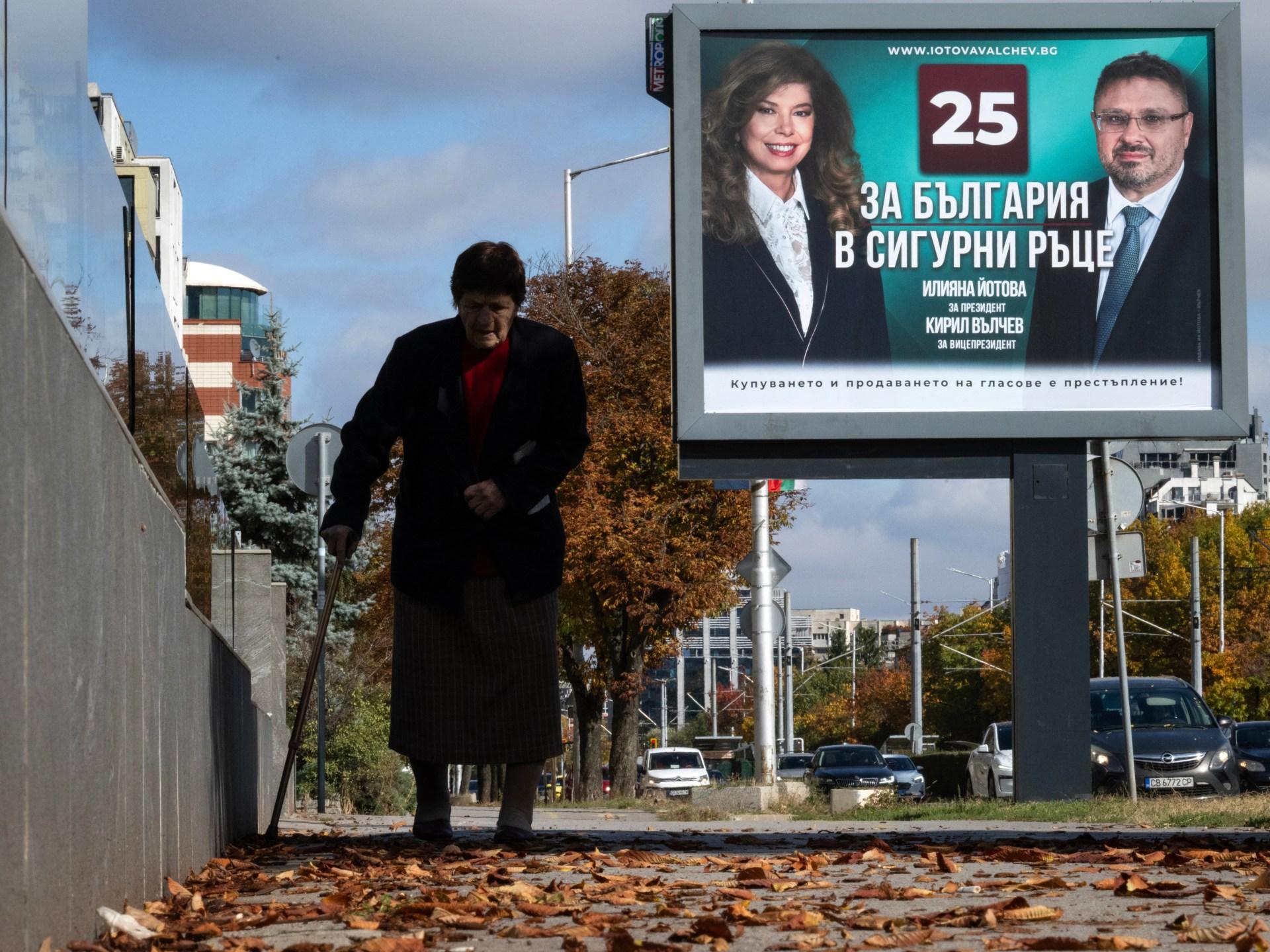
Presidential elections are taking place in Bulgaria amidst the increasing impact of the Russia-Ukraine war in the Black Sea, close to Bulgaria’s Black Sea coast. According to the BBC, 27 candidates are competing, but the main contenders are incumbent President Iliana Yovcheva (61) and former Prime Minister Andrey Gavrsov (50). According to the BBC, Gavrsov leads in opinion polls with 28%, while Yovcheva follows with 41%.
The Bulgarian presidency is a ceremonial position but grants the president greater political power through ratifying international treaties and appointing ambassadors. The European Press Agency reports that drone attacks on commercial vessels off Bulgaria’s coast have raised international concerns about the war’s expansion, prompting Bulgaria to seek help from allies to bolster its maritime security. Although the Bulgarian government has not directly accused Russia, Prime Minister Rumen Radev stated that the results of the attacks "benefit the Russian Federation."
The two main presidential candidates differ in their stance on the Ukraine war. Gavrsov, supported by pro-Western European parties, stated during a campaign rally: "I want Bulgaria to be an independent voice in Europe, a reliable ally of NATO." Meanwhile, Yovcheva, who advocates for a more neutral stance, said at another rally: "My opponents call for a war of attrition, but the truth is that we are all the most exhausted."
Bulgaria faces both domestic and external challenges, with the society divided between pro-Western and anti-Western factions. According to the BBC, Dobromir Ivtchev, director of Market Links research agency, says that Yovcheva calls for ending military aid to Ukraine and uses rhetoric similar to Russia's. According to the BBC, it is expected that no candidate will secure the required majority to win in the first round of the election, suggesting the possibility of a runoff in November.
Analysis & context
Analysis & Context
Analytically, Bulgaria faces challenges in shaping its stance on the Ukraine war. The leading candidate Andrey Gavrsov, who supports Ukraine, calls for a strong position with the West. In contrast, Iliana Yovcheva advocates for a more balanced approach, reflecting divisions within Bulgarian society regarding relations with Russia and the West. Additionally, rising energy and food prices are increasing concerns among Bulgarian voters, adding to the importance of these elections. In a broader context, these elections come at a time when tensions between Russia and the West are escalating, making Bulgaria’s position crucial in this conflict.