Sourced fact
The News
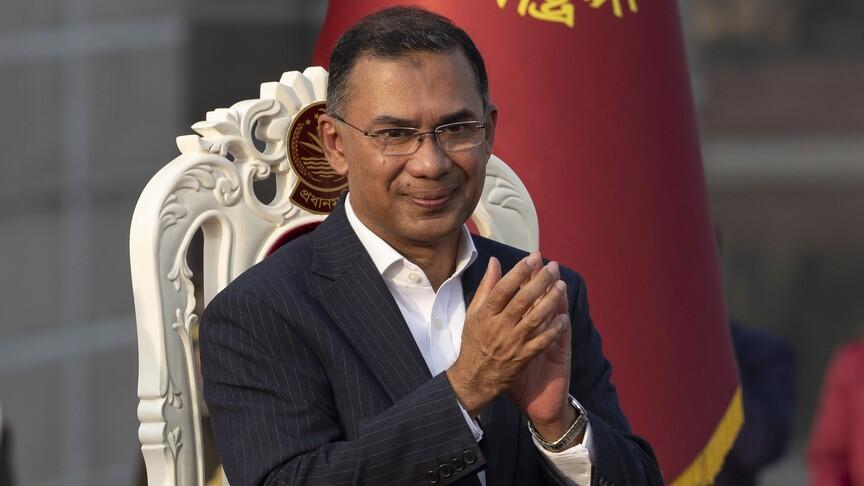
Bangladesh Prime Minister Tarik Rahman called on the international community to take decisive action to resolve the ongoing Rohingya crisis and advance climate justice in his opening address at the United Nations General Assembly. He delivered this speech in New York during the 79th session of the General Assembly on Thursday, emphasizing the urgent need to address the root causes of the crisis in Myanmar.
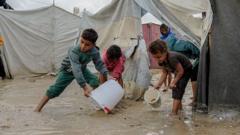
The Prime Minister clarified that Bangladesh has been hosting over 1.2 million Rohingya refugees forcibly for more than nine years, placing immense pressure on local resources, the environment, and security. He pointed out that the safe return of refugees to their homeland in Myanmar is the only solution to the crisis, warning that neglecting to achieve justice for them could lead to a new humanitarian catastrophe.
Rahman also expressed his country's strong support for the rights of Palestinians to self-determination and an independent state, calling for global conflicts to be resolved through dialogue and diplomacy. In the context of what he described as "fascist rule" that lasted over 15 years following the 2024 uprising, he offered condolences to the deceased and injured in that uprising as well as to previous democratic movements.
The government presented a strategic plan called "3-R," encompassing recovery, restoration, and reconstruction to help the country return to its democratic path. In the realm of climate change, he urged increased funding and adaptation measures despite Bangladesh's minimal contribution to global carbon emissions.
The Prime Minister stated that his government intends to plant 250 million trees over five years and expand the use of clean energy and solar power. He also planned to excavate 20,000 kilometers of canals to address flooding and drought, while simultaneously calling for the transfer of affordable technology to prevent the digital divide from turning into an artificial intelligence gap.
Analysis & context
Analysis & Context
From an analytical perspective, Prime Minister Rahman's speech at the General Assembly represents a significant diplomatic turning point, linking urgent humanitarian issues such as the Rohingya crisis with global environmental concerns like climate change. This connection reflects a deep understanding of the sustainable development challenges faced by developing nations, particularly those with low-lying coastlines vulnerable to flooding.
In the broader context, the "reconstruction" strategy based on three pillars—restoration, renewal, and rebuilding—signals Bangladesh's attempt to regain its democratic trajectory after a period of acute political turmoil. This strategy focuses not only on physical infrastructure but also on restoring the social and political fabric of society.
The speech also highlights the focus on the technological gap between developed and developing countries, warning that failing to bridge this gap could eventually turn into an artificial intelligence divide. This warning reflects growing global concern about the impact of advanced technology on economic and social development opportunities for poor nations.
Finally, support for the Palestinian cause and escalating international stances toward it remain part of the Arab and Islamic discourse at the United Nations, thereby strengthening regional and international cohesion in the face of shared challenges such as conflicts and environmental threats.