Sourced fact
The News
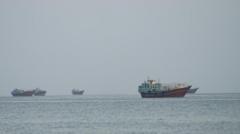
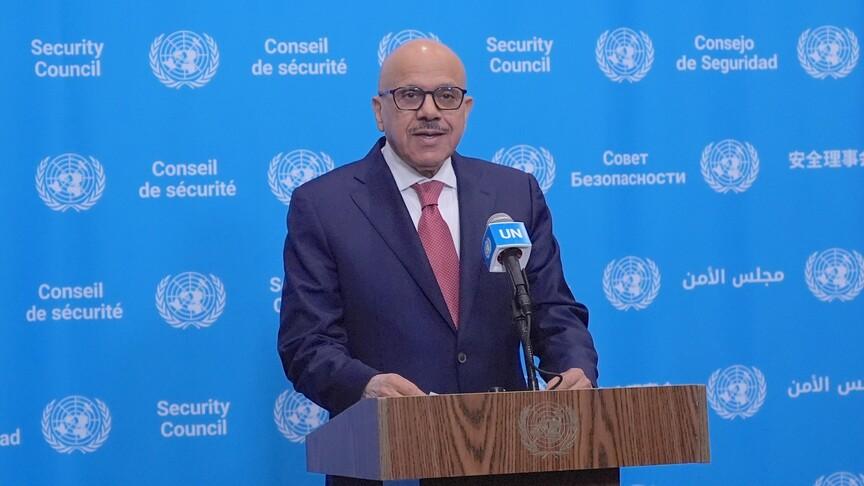
On Friday, the Kingdom of Bahrain declared its absolute rejection of any system imposing permits or fees for ships transiting the Strait of Hormuz. It emphasized that the right of passage through this international waterway cannot be suspended or subjected to unilateral conditions. Foreign Minister Abdul Latif bin Rashid Al-Zayani stated before the United Nations General Assembly during its 81st session in New York that this right is guaranteed under international law for all countries without exception.
Al-Zayani clarified that the Kingdom completely rejects any administrative or financial system imposed on navigation, warning against using international waterways as tools of economic or political pressure. He also stressed that accepting restrictions in Hormuz could open the door to applying similar conditions to other strategic waterways around the world, thereby disrupting global maritime security.
In discussing regional tensions, the minister accused Iran of launching nearly 7,000 attacks against Gulf Cooperation Council member states and Jordan. These attacks included firing 1,700 ballistic missiles, 80 cruise missiles, and 5,220 drones. He also noted that international naval forces faced the detention of 2,000 commercial and oil-carrying ships with a total of 20,000 sailors on board, while 72 commercial ships were targeted, resulting in the deaths of 22 sailors.
Analysis & context
Analysis & Context
From an analytical perspective, the minister highlighted that attacks on commercial shipping vessels and restrictions on navigation in the Strait of Hormuz have repercussions extending beyond the Arabian Gulf, including rising energy, food, transportation, and insurance costs, as well as disruptions to global supply chains. This stance reflects growing international concern over strategic waterways being transformed into geopolitical pressure tools that could threaten global economic stability.
In a broader context, Al-Zayani linked the security of the Strait of Hormuz with the Red Sea, Gulf of Aden, and Bab el-Mandeb strait within a single maritime security system, warning that any threat to one waterway may negatively affect navigation in others. This connection underscores the interconnected nature of maritime security in the region, where attacks in one location threaten the safety of all waterways.
The minister also addressed Houthi attacks on civilian and holy sites in Saudi Arabia, considering them a direct threat to regional and international security. These attacks add to a series of crises facing the region and impact freedom of navigation and economic stability for coastal states.