Sourced fact
The News
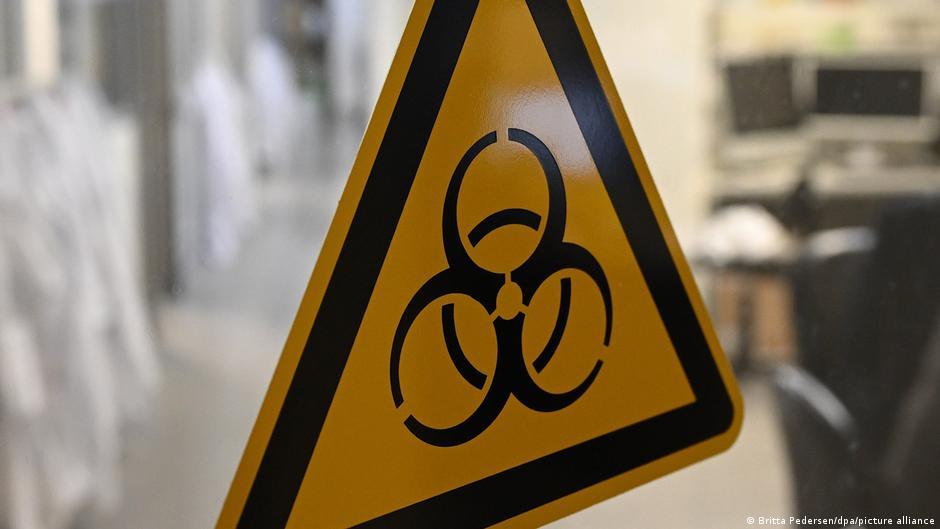
The European Centre for Disease Prevention and Control (ECDC) issued a statement indicating that it is closely monitoring the situation following the death of a Russian laboratory worker, which has raised concerns about the potential for a pneumonic plague outbreak. According to the agency's announcement on October 6, 2026, the information currently available does not indicate any secondary cases or evidence of disease spread among humans.
The 28-year-old worker died at a hospital in Chelyabinsk, near Irkutsk in Siberia. According to Russia Today, the Russian Federal Service for Supervision of Consumer Protection and Welfare (Rospotrebnadzor) stated that the death was caused by an unspecified respiratory infection, not due to plague. According to the agency, samples taken from the woman did not show any bacteria related to her professional activities. However, this information contradicts initial reports that suggested the worker had been involved in an incident with a test container.
Russian officials announced that two hospitals and a children's clinic are under quarantine, while laboratory staff are isolated at their workplace. According to the American news site Axios, approximately 200 people are under observation due to their contact with the deceased woman. However, no additional cases of infection have been reported so far.
Despite this, there is still skepticism regarding the accuracy of the information provided by Russia. A user on one of DW's Russian social media channels wrote: "It wouldn't surprise me if this turns into a disaster now, whether in terms of disease spread or quarantine measures."
Pneumonic plague is a form of plague that affects the lungs and is caused by the bacterium Yersinia pestis. According to the World Health Organization (WHO), pneumonic plague is the most lethal form of the disease. The incubation period can be very short, sometimes as brief as 24 hours. It is also the only form that can spread easily between people through respiratory droplets released when a patient coughs.
The WHO advises that antibiotic treatment should be started as soon as plague is suspected, even if laboratory results are not yet available. Common and available antibiotics can help cure patients, with a high chance of recovery if treatment begins within 24 hours of symptom onset. Experts also recommend isolating patients and wearing masks to protect others.
Analysis & context
Analysis & Context
Analytically, pneumonic plague is the most dangerous of the three forms of plague, as it can spread easily among humans through respiratory droplets. In a broader context, this incident raises concerns about the safety of places dealing with severe infectious diseases. It also highlights the importance of rapid preventive and therapeutic measures in dealing with such cases.