Sourced fact
The News
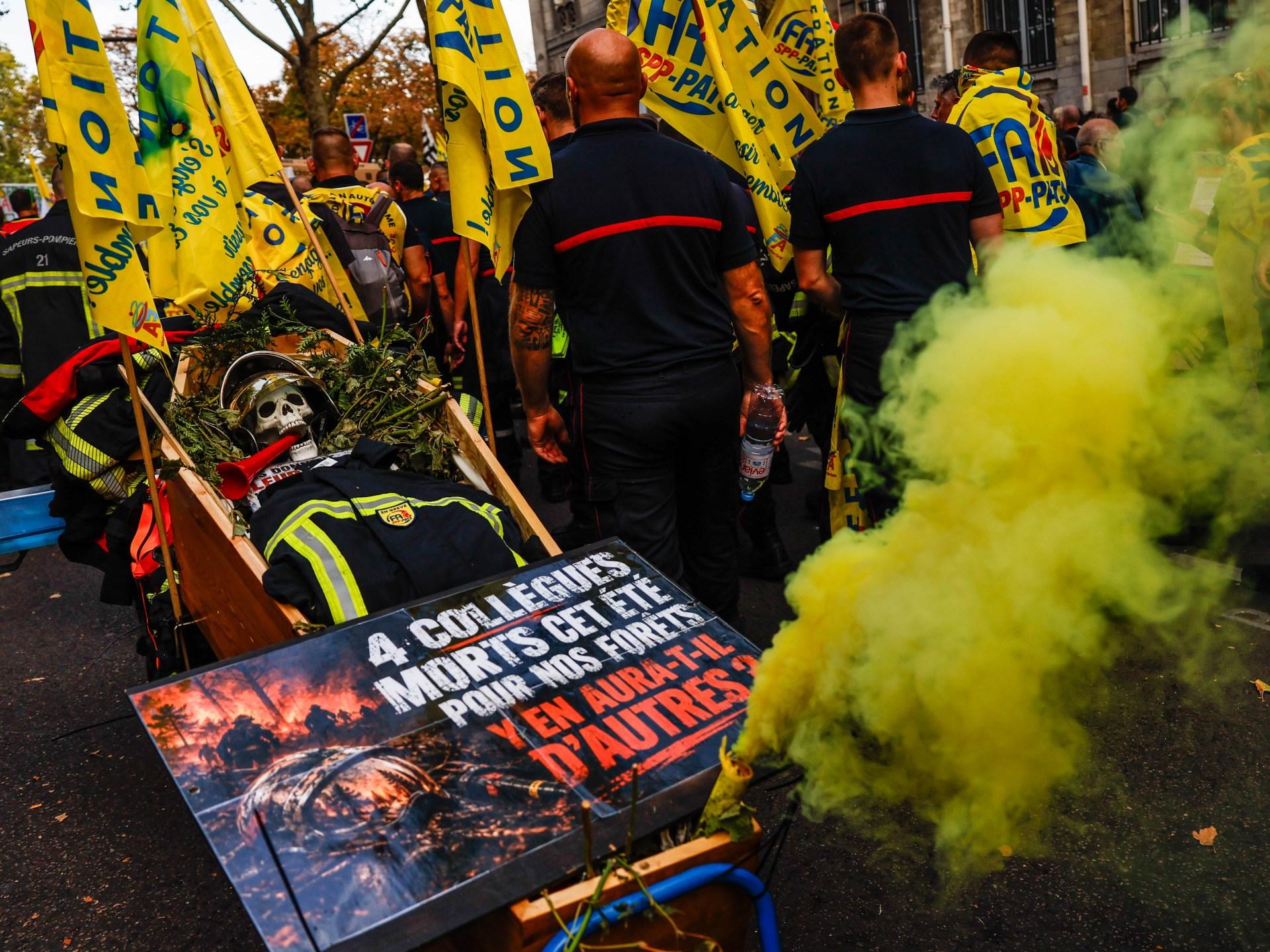
Mass protests have erupted in France, involving an estimated 300,000 state employees, including teachers, nurses, and editors, demanding wage increases and improved working conditions. According to labor unions, the French government plans to freeze basic salaries for civil servants in 2027 to save two billion euros. This is the fourth consecutive year of salary freezes during President Emmanuel Macron's tenure. Sophie Binet, general secretary of the General Confederation of Labor, stated that these protests are a "red alert" for the government.
On the same day, student protests in French schools led to the closure of over 40 schools. Ten people, including students and staff, were injured during clashes with police, with around 440 individuals arrested. Education Minister Édouard Philippe accused students of unjustified violence, while the mayor of Saint-Denis, Patrice Versini, urged students to continue their protests, calling them "perfectly justified."
These disturbances have added to tensions ahead of the government's budget announcement in the coming days, with union leaders demanding a 6% wage increase to counter the decline in purchasing power. The government has warned that these protests could lead to delays in air travel at some French airports. These tensions come amid growing protests against Macron's wage freezes and budget austerity, which threaten to boost the popularity of opposition candidates like Jean-Luc Mélenchon and Marine Le Pen.
Analysis & context
Analysis & Context
Analytically, these protests reflect public dissatisfaction with the French government's policies, particularly regarding economic and educational policies. The government faces significant challenges in dealing with worker and student protests, as labor unions are pressing strongly for wage increases and better working conditions.
In a broader context, these protests highlight the social and economic tensions facing France, exacerbated by government policies aimed at reducing public spending. They also indicate that students are concerned about poor educational conditions, suggesting a need for reform in the French educational system.
Politically, these protests also highlight the challenges the government faces in dealing with political opposition, as politicians like Jean-Luc Mélenchon and potential presidential candidate Marine Le Pen are exploiting these protests to advance their political agendas.