Sourced fact
The News
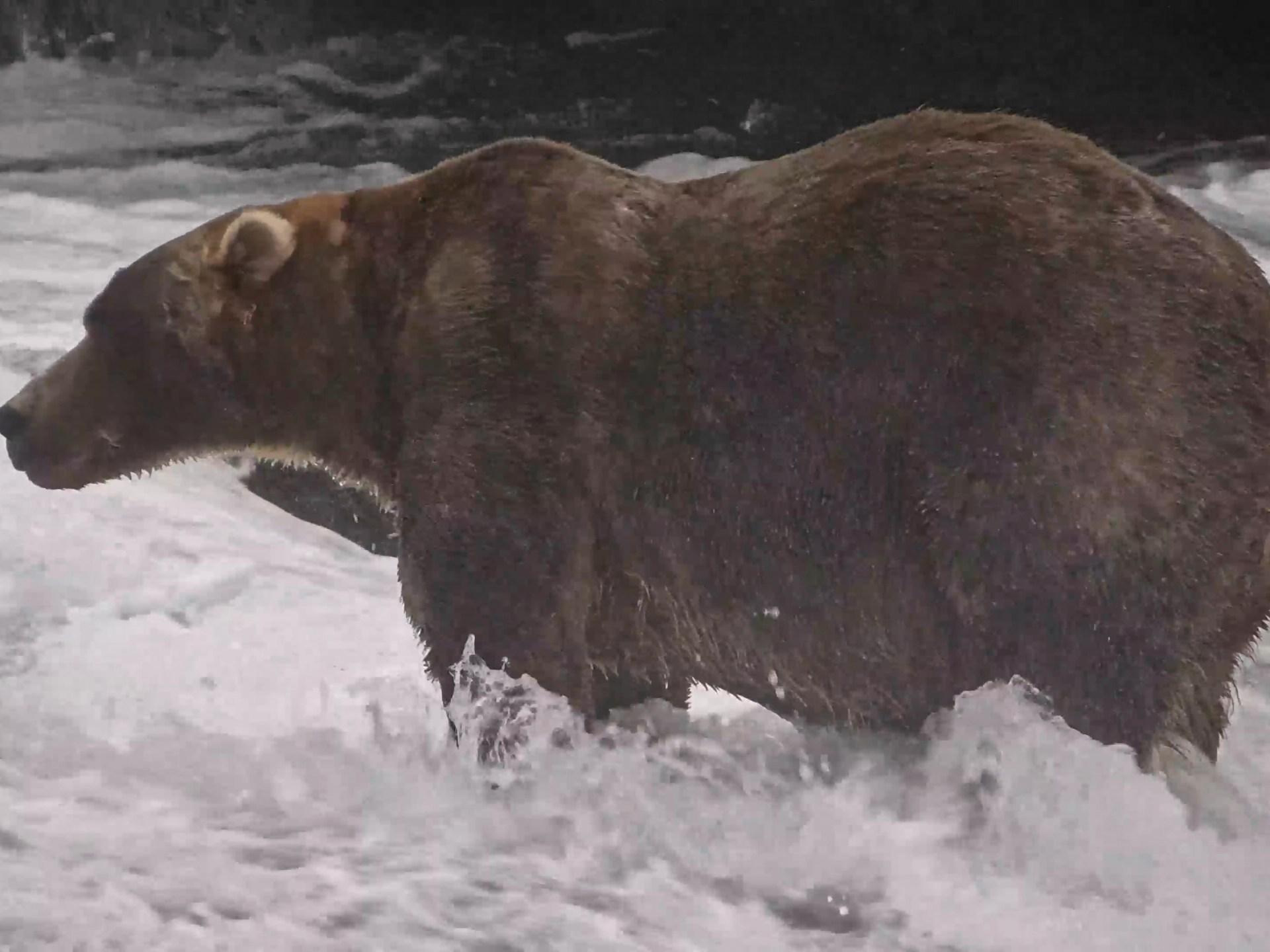
Backpack (Backpack) won the title of the annual "Fat Bear Week" competition in Katmai National Wildlife Refuge in Alaska after a week of intense competition. The nonprofit organization responsible for the event announced in a statement on Tuesday that the bear, known for its peaceful nature, won over 100,000 votes, securing a narrow victory over bear 910.
The competition has been held since 2014 as an interactive way to educate the public about brown bears in the refuge, marking its twelfth year. The large bears are successful because they consume vast amounts of returning salmon from the Brooks River, allowing them to build the fat reserves needed to survive the winter.
Backpack is the son of previous winner Holly, who introduced him to the Brooks River when he was a small cub in 2006. The nonprofit described the bear as "a calm force" as he does not show aggression towards his competitors. It also noted that he is often seen sitting on a rock at the river's mouth, enjoying the surrounding scenery.
This year's competition featured 16 bears competing for the title in a single-elimination bracket. The bears were evaluated based on their success in accumulating fat, with adult males potentially adding over 1,000 pounds to their weight after consuming salmon. The competition also included five bear families, which have become more common in the refuge this summer.
Analysis & context
Analysis & Context
From an analytical perspective, Fat Bear Week reflects the growing interest in environmental and wildlife issues in Alaska. This event combines education and entertainment, offering the public a chance to observe brown bears eating fish and gaining weight in preparation for winter.
In a broader context, brown bears in Alaska face increasing environmental challenges, including climate change and illegal hunting. Fat Bear Week provides a platform to raise awareness about these issues and encourage public support for environmental conservation efforts.
Fat Bear Week also highlights the importance of brown bears as a critical component of the ecological system in Alaska. These massive animals play a crucial role in maintaining ecological balance, helping to control the numbers of fish and other animals in the region.