Sourced fact
The News
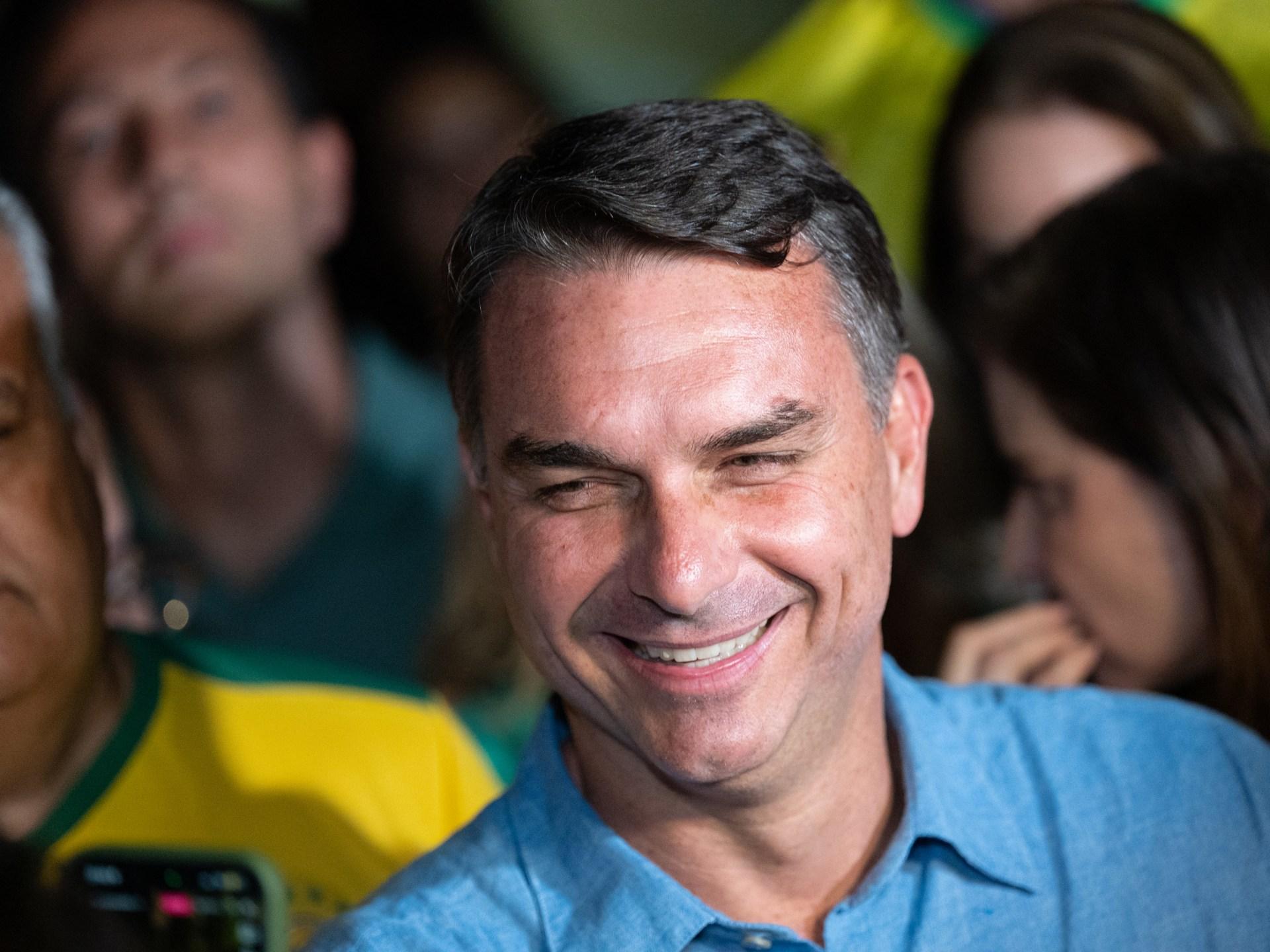
Senator Flávio Bolsonaro of the Brazilian right surprised everyone with better-than-expected results in the first round of the Brazilian presidential election, leading to a narrow lead over incumbent leftist president Luiz Inácio Lula da Silva. According to election results, Bolsonaro received 47% of the votes compared to Lula's 45.1%. As a result, a second round of elections will be held on October 25th between the two candidates.
Bolsonaro stated in a statement in Brasília that he sees this result as the end of the Workers' Party era. Professor of political science at the University of São Paulo, Oliver Stunkel, noted that Lula faces significant challenges in attracting voters who supported other candidates in the first round. Stunkel told Al Jazeera: "The candidates who received about 8% of the votes are from the right, making it difficult for Lula to attract their votes in the second round."
Al Jazeera correspondent Monica Yanakoui pointed out that Lula's social media campaign was not as effective as the right's. According to Stunkel, Lula's chances of winning the presidential election are very slim, as the candidate who came in second in the first round has never won since 1989.
It is worth noting that several members of the Bolsonaro family won in the legislative elections, including the wife of former President Michel Bolsonaro, who won a seat in the Senate. Carlos Bolsonaro, son of the former president, won a seat in the Senate in the state of Santa Catarina, while Jair Renan Bolsonaro, the youngest brother, won a seat in the Chamber of Deputies.
These results have an impact on regional and geopolitical relationships, as a Bolsonaro victory would bring Brazil closer to the United States and Israel, while China maintains close economic ties with Brazil. A Bolsonaro victory could also lead to an attempt to issue a parliamentary pardon for his father, who is serving a sentence for his involvement in a coup attempt after losing the election to Lula in 2022.
Analysis & context
Analysis & Context
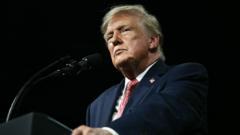
From an analytical perspective, Flávio Bolsonaro's victory in the first round of the Brazilian presidential election holds significant importance regionally and globally. Some experts see this victory as strengthening relations between Brazil and the United States, especially given the tensions between Lula and Donald Trump.
In a broader context, Bolsonaro's victory signals new political trends in Brazil and Latin America. In recent years, the region has seen elections of right-wing governments allied with the United States, such as in Ecuador and El Salvador. This trend contrasts with the "pink tide" that dominated the region in the 1990s and early 2000s, which included left-wing governments such as those led by Lula.
Domestically, Lula faces significant challenges if he wins, as he will need to deal with a parliament dominated by the right. This could put him in conflict with right-wing trends, potentially leading to internal political tensions.