Sourced fact
The News
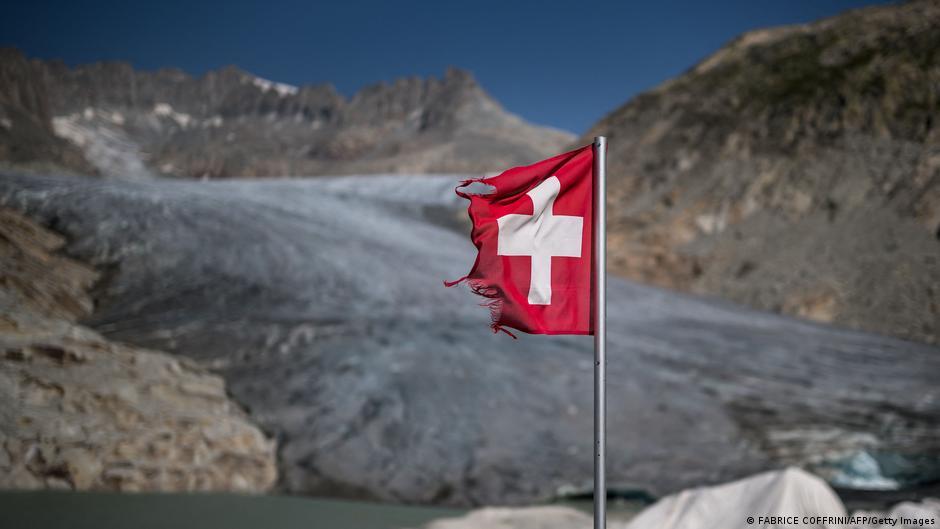
Ice masses in Switzerland have declined by nearly twenty percent over the past five years, according to Swiss glacier experts. A new study by the Swiss Glacier Monitoring Network (GLAMOS) revealed that Swiss glaciers have lost 45 percent of their mass this year, making it one of the worst years on record for ice loss. GLAMOS warned that Swiss glaciers may vanish entirely in the near future, threatening water supplies in the country.
Matthias Huss, head of GLAMOS, confirmed that the Alps are no longer able to survive under current conditions. Huss stated, "This year has been catastrophic for glaciers, with massive losses of snow." He added that glaciers could disappear completely within the next decade or two.
This phenomenon is attributed to unprecedented heatwaves in Europe, leading to a lack of winter snowfall and summer heatwaves. This climate change is linked to increased greenhouse gas emissions from human activities. Huss emphasized that "the current climate change we are experiencing is entirely due to human emissions and fossil fuels."
Europe is one of the fastest-warming continents in the world, making this study crucial for understanding the long-term impacts of climate change on glaciers in Europe.
Analysis & context
Analysis & Context
From an analytical perspective, the ice loss in Switzerland clearly reflects global climate change impacts. Reports indicate that Europe is the fastest-warming continent in the world, increasing concerns about the future of ice in the region. Huss confirms that the current warming can be attributed 100 percent to climate change caused by human activity. Without carbon emissions or fossil fuels, there would be no current warming. These facts raise concerns about the impacts of climate change on future water resources, particularly in mountainous areas like Switzerland.
In a broader context, many European countries face similar challenges in preserving their glacial resources. Studies suggest that ice loss can lead to significant changes in water flow, affecting agriculture and hydropower. Therefore, preserving ice is not just an environmental issue, but also a matter of water security and economic stability.