Sourced fact
The News
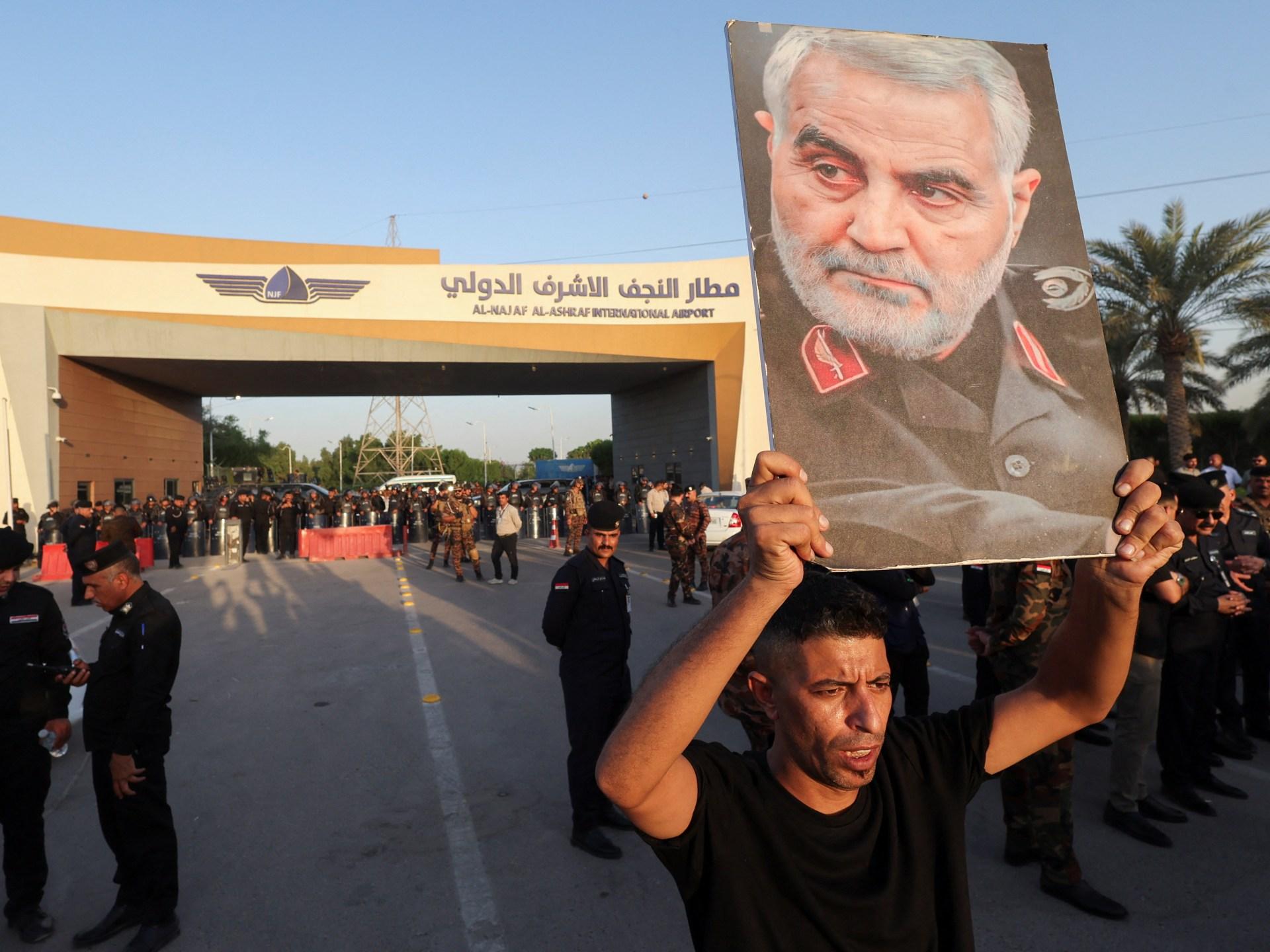
The White House announced sanctions on ten individuals and companies as part of the "Economically Isolated" campaign launched by US Treasury Secretary Scott BitSet in August last year. According to the US news agency, these sanctions target companies and individuals in China, Pakistan, Turkey, and Saudi Arabia, as well as three entities in Iran. The US Treasury Department stated that this step aims to increase costs for those who choose to assist Iran in purchasing weapons. The department clarified that these entities were involved in purchasing parts and components for weapons for the Ministry of Defense and Armed Forces Logistics (MODAFL) of Iran.
Among the targeted companies is EC Mojo Technology Co Ltd in Hong Kong and its president Li Fan, accused of providing electronic components to the Iranian military. Sanctions were also imposed on Cavalier Dynamics for Technologies Company in Saudi Arabia, with the Treasury Department announcing its cooperation with Saudi government partners in this regard. According to the department, these entities were involved in purchasing parts and components for weapons for the Iranian military.
These sanctions have sparked debate over their effectiveness in pressuring Iran. Some analyses suggest that Iran may have adapted to previous US sanctions but now faces new economic pressures due to its ongoing conflict with the US and Israel. The news agency also pointed out that the sanctions have impacted the Iranian civil aviation sector, leading to the cancellation of numerous flights. However, some experts doubt the effectiveness of these sanctions in achieving their goals, especially given the continuing trade relations between China and Iran. BitSet noted that the US administration gives all parties an opportunity to change their behavior before imposing stricter sanctions.
Analysis & context
Analysis & Context
From an analytical perspective, US sanctions aim to increase economic pressure on Iran and isolate it from the global financial system. However, this approach faces challenges, as China, one of Iran's largest trading partners, continues to trade with Tehran.
In a broader context, the economic and political war between the US and Iran has been ongoing since February, with Iran facing increasing sanctions and international pressure. Yet, it remains unclear whether these sanctions will lead to the desired change in Iran's behavior.
It is also important to consider the side effects of sanctions on the Iranian economy and civilian population, as previous sanctions have led to the depreciation of the Iranian currency and affected the civil aviation sector.