Sourced fact
The News
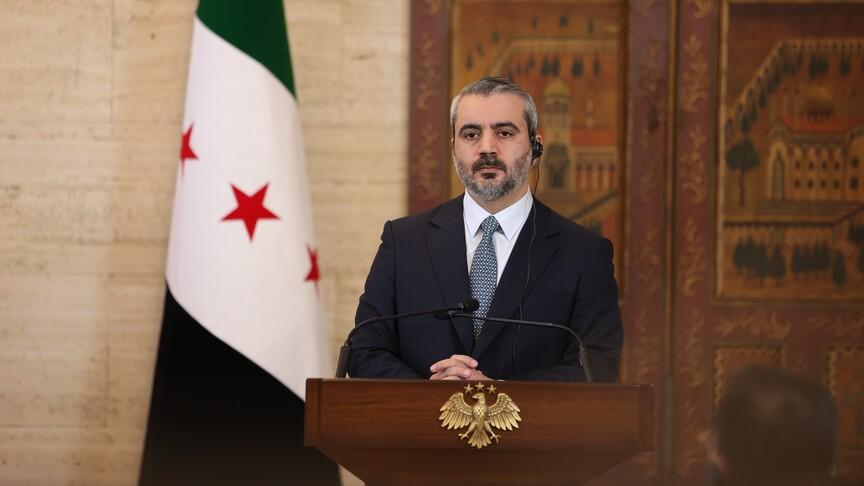
On Tuesday, Syrian Foreign Minister Ashraf al-Shakhboosi stated at a joint press conference with European Union High Representative Kaia Kaslas in Damascus that Syria is calling on the European Union to take effective measures against Israel to stop the ongoing attacks on its territory. Al-Shakhboosi clarified that "these systematic attacks against a country in a recovery phase require more than just statements of concern, but rather effective pressure to halt these attacks."
Al-Shakhboosi called on the EU's Foreign Affairs Council to take a decisive stance in describing these attacks and requested that Israel withdraw to the lines it was on as of December 8, 2024. He further stated that the EU should reject changing borders by force as it does on the other side of the Mediterranean.
Al-Shakhboosi affirmed that the occupied Golan Heights is Syrian territory and announced that UN Security Council Resolution 497 considers Israel's occupation of the area "illegal." He also welcomed the EU's stance rejecting Israeli sovereignty over the Golan and stressed Damascus's commitment to the 1974 Disengagement Agreement, requesting effective EU support for redeploying the UN Disengagement Observer Force (UNDOF).
Last week, Syrian President Ahmad al-Sharaa mentioned at the UN General Assembly that Israel has carried out more than 500 aerial and missile strikes and approximately 1,200 infiltrations and around 300 arrests and detentions of Syrians. Damascus reiterated its demand for Israel to withdraw to the December 8, 2024 lines.
Analysis & context
Analysis & Context
Analytically, Syria's position reflects increasing tensions between it and Israel since the fall of the Assad regime in December 2024. Israel continues to conduct airstrikes and ground raids in southern Syria, raising growing international concern.
In a broader context, the potential role of the EU as a pressure mechanism on Israel to halt its attacks is highlighted. The EU relies on good relations with Israel but faces increasing pressure from Arab states to take a firmer stance against Israel.
This tension underscores the importance of the 1974 agreement that delineates the border lines between the two countries. Syria aims to renew the UN's commitment to the observer force in the Golan Heights, reflecting its desire to maintain the legal status of the area.