Sourced fact
The News
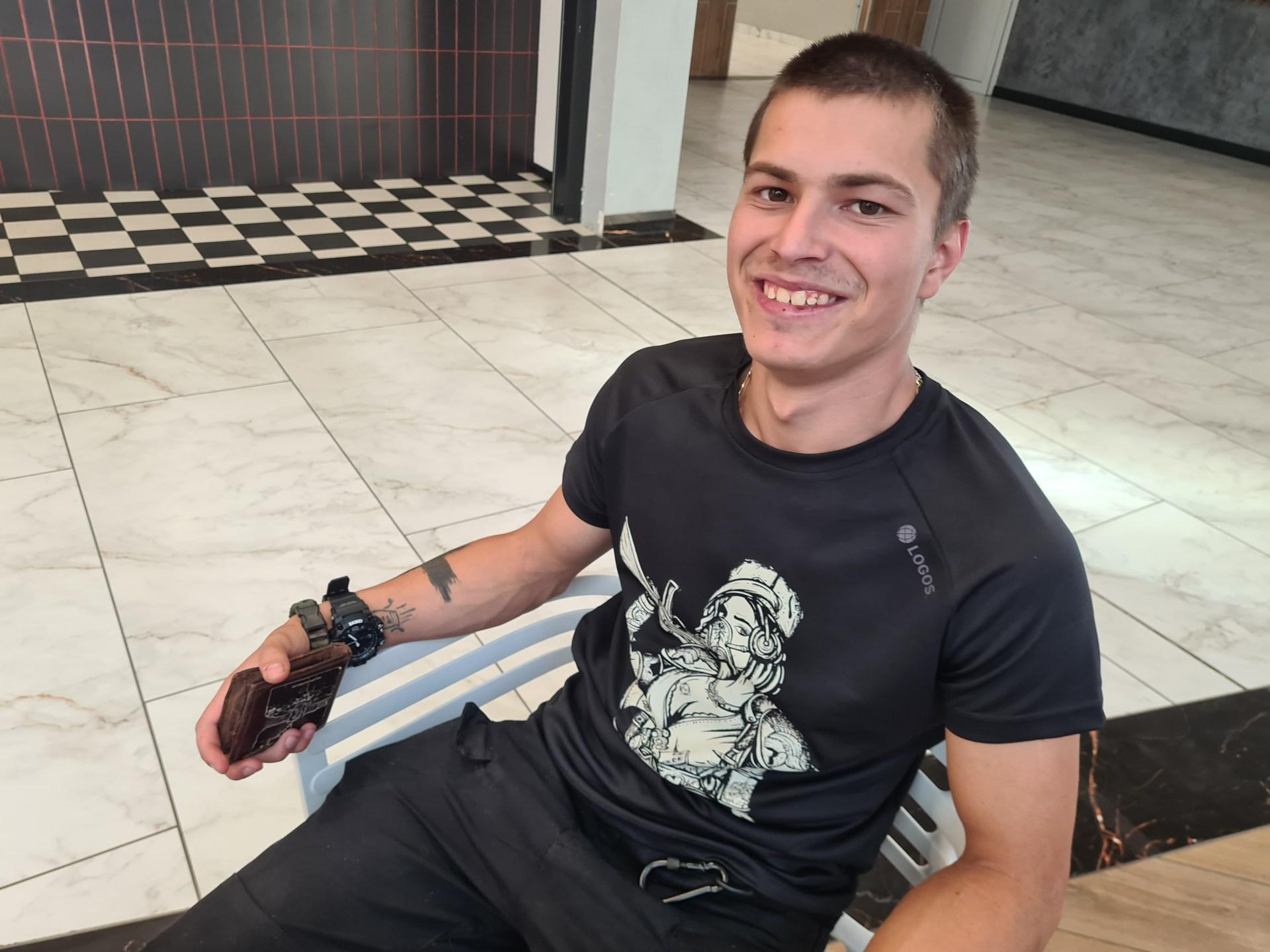
Denis Kostev, an 18-year-old Ukrainian orphan, began his life in an orphanage in Kherson when Russia invaded Ukraine. He documented his protests against the occupying Russian forces on social media. However, he was forcibly moved to the occupied Crimea peninsula, where his stance suddenly shifted. After four years, Kostev reached Kyiv and told Al Jazeera that he played the role of a "poster child" for Russians to survive.
At the orphanage, Kostev attended a theater club and studied at a vocational school. With the war intensifying, he was moved to a summer camp in Crimea where he lived isolated from the outside world. Kostev said, "Every morning, you wake up to the Russian anthem, and every Monday, the Russian flag is raised in a celebratory manner." Although he hated this, he knew that if he refused to pose, he would face beatings or threats of imprisonment.
In 2023, Kostev was moved back to Kherson, where he was threatened with imprisonment and photographed as a supporter of the Russians. After that, he contacted his family in Germany and managed to flee to Poland, where he waited for a new Ukrainian passport. He returned to Ukraine in April 2024 and joined military training, becoming a drone pilot in the Ukrainian army.
Analysis & context
Analysis & Context
Analytically, Denis Kostev's experience sheds light on Russian occupation crimes, including the detention of Ukrainian children and exposing them to coercion and torture. These practices aim to change children's minds and make them supporters of the Russians, constituting serious war crimes.
In a broader context, Ukrainian children in occupied territories face significant challenges, including physical and psychological threats. Reports indicate that more than 2,600 children have returned to Ukraine, while thousands remain detained in Russia. These practices raise international concern and underscore the need to document crimes and bring those responsible to justice.
Historically, these practices form part of a long record of human rights violations in conflict zones, where occupying states use children as a political and cultural influence tool. This highlights the importance of working to protect children's rights in armed conflicts and ensuring such practices do not recur in the future.