Sourced fact
The News
The Presidential Peace Commission (BoP), established by President Donald Trump in September 2025, completed its first year without achieving tangible progress in ending the conflict in Gaza. The BoP proposed a peace plan that included a ceasefire between Israel and Hamas, but the reality on the ground indicates the continuation of Israeli attacks on Palestinians. Since the ceasefire began on October 10, 2025, over 1,400 Palestinians, mostly women and children, have been killed, pointing to the ongoing violence in the region.
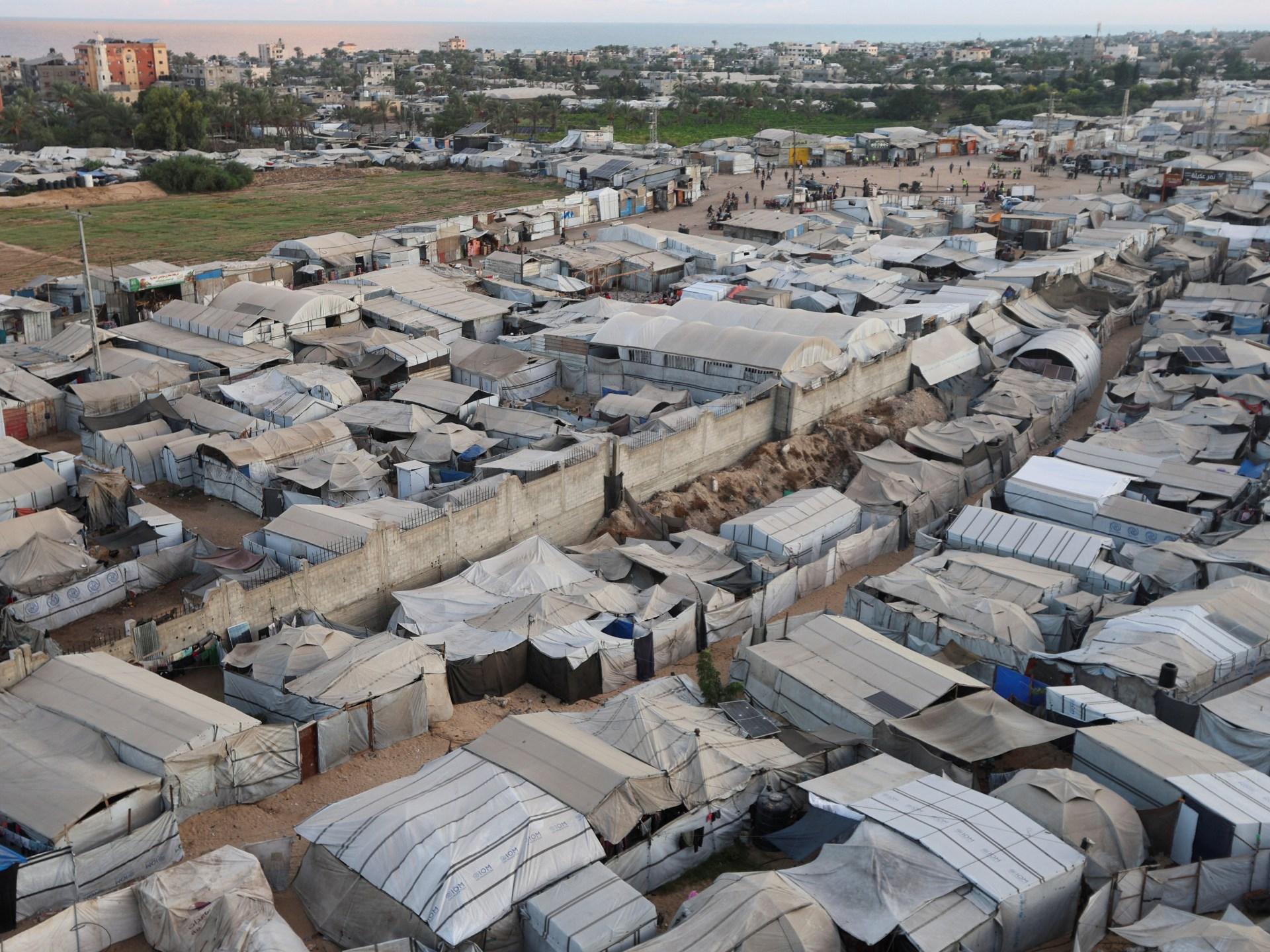
In February of this year, the BoP held its first summit in Washington, where member states pledged $7 billion to fund the reconstruction of Gaza. However, the plan's goals have not been realized in practice, as humanitarian aid remains limited. According to World Food Programme (WFP) food security monitoring statistics, approximately 1.4 million Palestinians are suffering from hunger in Gaza, indicating a significant deterioration in humanitarian conditions.
Moreover, Israel has not withdrawn from 50% of Gaza's land as agreed, but has instead occupied more than 60% of the area. This expansion of occupation has led to the displacement of many Palestinian residents and a contraction of the area available to them. Israel also considers many basic materials dangerous, limiting their entry into Gaza.
The BoP has also failed to make progress in implementing the second part of the peace plan, which includes the disarmament of Hamas. Hamas refuses this condition due to the continued Israeli attacks and the lack of withdrawal from agreed-upon territories. Meanwhile, Israel refuses to continue with the plan until Hamas disarms, leaving the situation in a stalemate.
Furthermore, an international stabilization force has not been deployed to Gaza as planned. So far, only six countries have pledged to provide forces for the US-led security force, but they have not yet begun operations. This situation raises concerns about the future of Gaza's reconstruction and humanitarian aid provision. Additionally, the BoP has refused to work with the United Nations Relief and Works Agency for Palestine Refugees (UNRWA), threatening to reduce the basic services provided to the population.
Analysis & context
Analysis & Context
From an analytical perspective, the failure of the US Peace Committee to achieve a sustainable truce in Gaza highlights the complexity of the Israeli-Palestinian conflict. The conflict is influenced by multiple political, military, and economic factors, making the achievement of sustainable peace a challenging task. Israel continues its attacks on Gaza under the pretext of fighting terrorism, while Hamas refuses to surrender its weapons without a full Israeli withdrawal and lifting of the blockade.
In a broader context, this failure also underscores the challenges faced by international efforts to resolve the Israeli-Palestinian conflict. Despite international support for peace, the national and political interests of the involved states remain the main obstacles to progress. The continued blockade and attacks exacerbate the suffering of Palestinians in Gaza, raising humanitarian and rights concerns.
From other perspectives, these events also highlight the challenges faced by the United Nations Relief and Works Agency for Palestine Refugees (UNRWA) in providing humanitarian aid. The US Peace Committee's decision not to work with UNRWA threatens to reduce the basic services provided by the agency to the Palestinian population in the Strip.