Sourced fact
The News
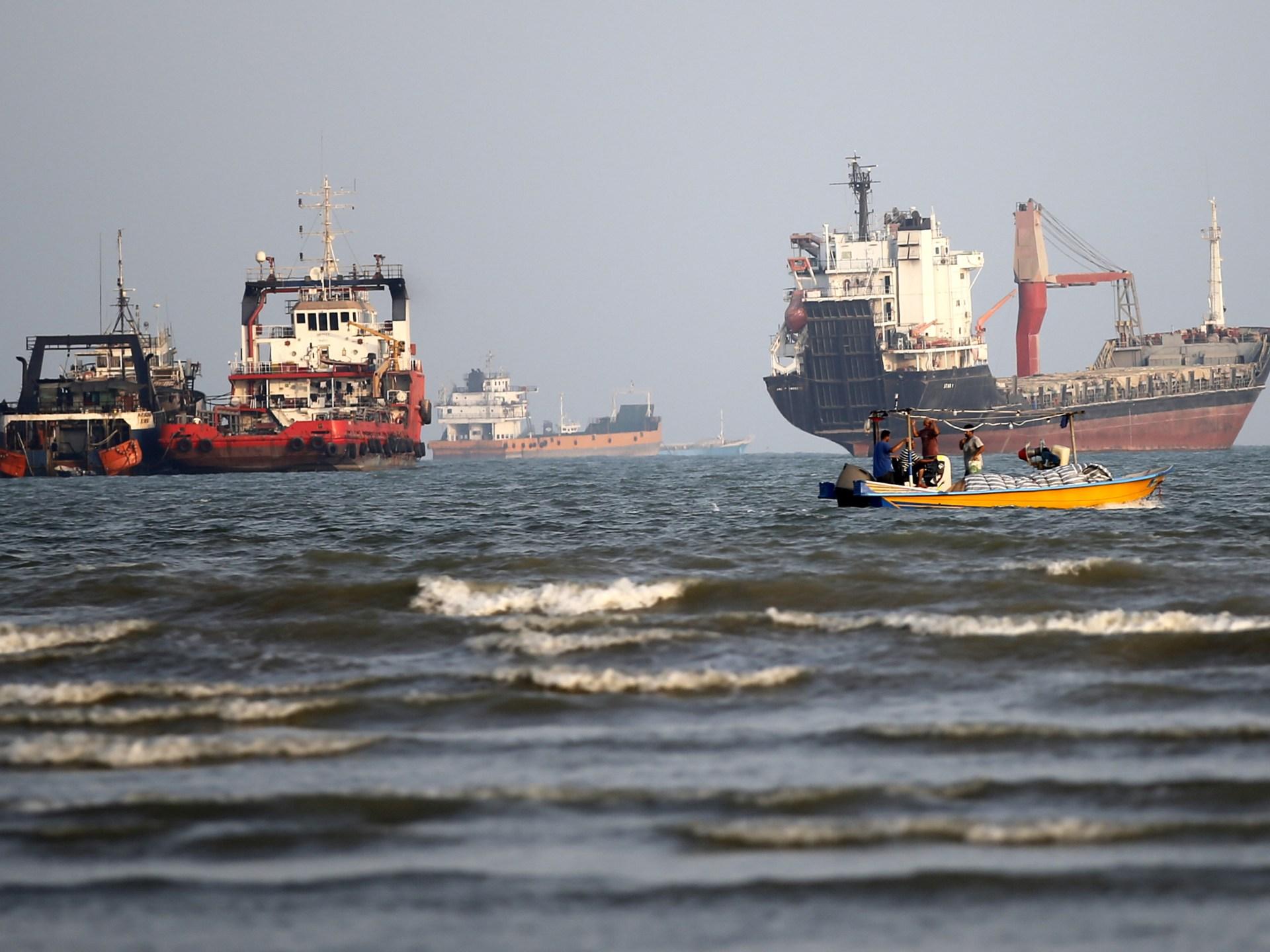
The world is watching the Strait of Hormuz as oil shipments see a significant increase, which could impact ongoing peace negotiations between Iran and the United States. According to the latest data from oil tanker tracking websites, oil and petroleum product traffic through the Strait of Hormuz is estimated at around 80% of pre-war levels before the conflict between the US, Israel, and Iran began in February. However, experts warn that full security for shipments through the strait remains elusive.
The analysis firm Kpler reported that crude oil exports from the Middle East rose to approximately 16.328 million barrels per day in September, the highest level since the war began in February. Estimates suggest that tanker traffic through the Strait of Hormuz reached around 9.719 million barrels per day during the same month. Despite this increase, shipments are still about 3.2 million barrels per day lower than pre-war levels.
In this context, experts noted that Iran could lose some of its negotiating leverage due to these developments. Suzanne Strittmatter, an investment analyst at Wealth Club, noted that "the increase in oil flows is encouraging, but it is not entirely secure until the broader conflict is resolved." Nevertheless, Iranian leaders insist that their control over the strait has not diminished. Hossein Mahabadi, a spokesman for the Islamic Revolutionary Guard Corps, told Fars News Agency in an interview, "We have been striking small ships and preventing them from passing for a long time, but the US is not responding."
Additionally, global oil prices remain high, reflecting ongoing tensions. Chris Beauchamp, an analyst at IG, said, "The market has begun to factor in evidence of increased flows, but it remains concerned about the sustainability of this increase." While the increase in shipments reflects an improvement, geopolitical threats remain, maintaining a geopolitical premium in oil prices.
Analysis & context
Analysis & Context
Analytically, the flow of oil through the Strait of Hormuz reflects the balance of military and economic power in the region. While Iran seeks to use its capacity to disrupt the strait as a bargaining chip, the US and its allies continue to work to maintain oil flow. In a broader context, the Strait of Hormuz plays a critical role in the global economy, with around 20% of the world's oil supplies passing through it. This makes any threats or tensions in the strait of significant strategic importance to oil-importing countries.