Sourced fact
The News
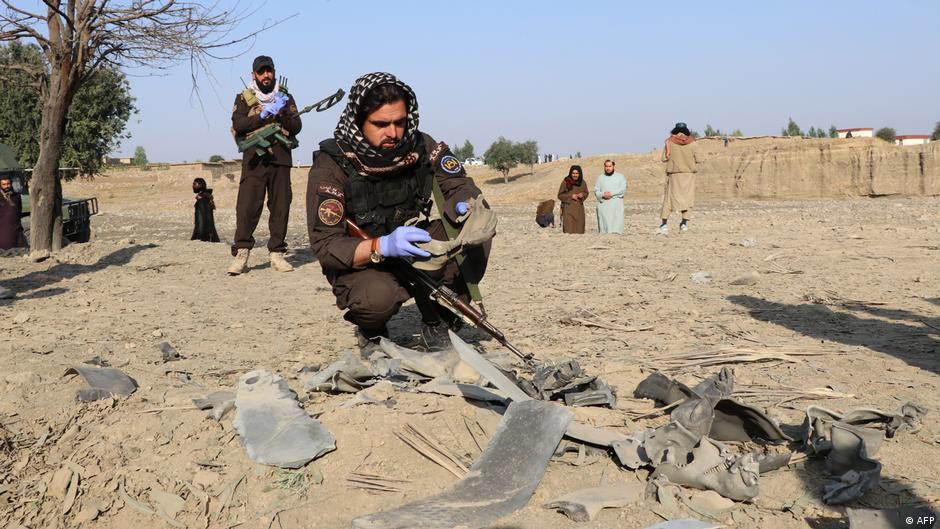
New military confrontations erupted between Pakistan and Afghanistan towards the end of September, with Pakistan announcing it had launched an attack on targets in Afghanistan, resulting in the deaths of between nine and ten civilians, according to the Afghan Taliban. In response, Pakistan claimed to have killed 22 members of the Pakistani Taliban (TTP) and inflicted damage on weapons and ammunition stores. These attacks come in the context of escalating tensions between the two countries following repeated attacks on Pakistani security forces.
On September 18, a splinter faction of the Pakistani Taliban attacked a police station in the Pakistani city of Kohat, resulting in 31 deaths and over a hundred injuries. Pakistan accused Afghanistan of providing safe haven to the Pakistani Taliban, while Kabul denies these allegations. As a result, clashes have escalated along the border and Pakistan has launched airstrikes in retaliation for the attacks.
The relationship between the Afghan and Pakistani Taliban is marked by historical and cultural complexities. While there are personal and organizational ties between the two movements, the Afghan Taliban does not have direct control over the Pakistani Taliban. As Conrad Schetter, director of the International Center for Conflict Studies at the Bönnsen Institute, notes, this makes it difficult for the Afghan Taliban to act against the TTP.
The problem of the Durand Line, the historical border between Pakistan and Afghanistan, also influences the current situation. Many Pashtuns, the largest ethnic group in Afghanistan and the second-largest in Pakistan, reject the current border. This complicates efforts to resolve the current conflicts between the two countries.
Pakistan employs economic and political pressure to counter the TTP threat, including closing borders and restricting trade. However, Afghanistan still relies on trade through Pakistan, making diplomatic solutions crucial. According to a Chatham House analysis, Pakistan faces challenges in reducing the TTP threat without driving them towards other extremist groups such as Islamic State-Khorasan (IS-K).
Despite the tensions, many analysts see diplomatic solutions and negotiations as the best way to contain the conflict. Pakistani analyst Saqib Ali Khan suggests establishing reliable communication channels between Islamabad and Kabul and adopting a separate approach to dealing with armed groups. Ultimately, Conrad Schetter sees improved economic integration and cooperation between the two countries as contributing to long-term stability.
Analysis & context
Analysis & Context
Analytically, the conflict between Pakistan and Afghanistan is complex due to their shared history, ethnic and religious ties. The TTP is historically linked to Afghanistan but operates independently against the Pakistani state. This makes it difficult for the Afghan Taliban to intervene against the TTP, who reject foreign intervention. The historical border dispute over the Durand Line further complicates matters, as many Pashtuns reject the current border.
In a broader context, Pakistan faces additional challenges due to its strained relationship with India. Afghanistan was once a strategic depth for Pakistan against India, but now it is a source of concern. This tension drives Pakistan to use economic and political pressure against Afghanistan, including border closures and trade restrictions. At the same time, Afghanistan seeks to diversify its economic and political partnerships to avoid dependence on Pakistan.
It is also important to consider the role of extremist groups like the TTP and IS-K in this conflict. Pakistan seeks to use these groups as a pressure card against Afghanistan, but fears that any strong intervention could lead to greater radicalization of these groups. This complicates negotiations and peaceful solutions between the two countries.