Sourced fact
The News
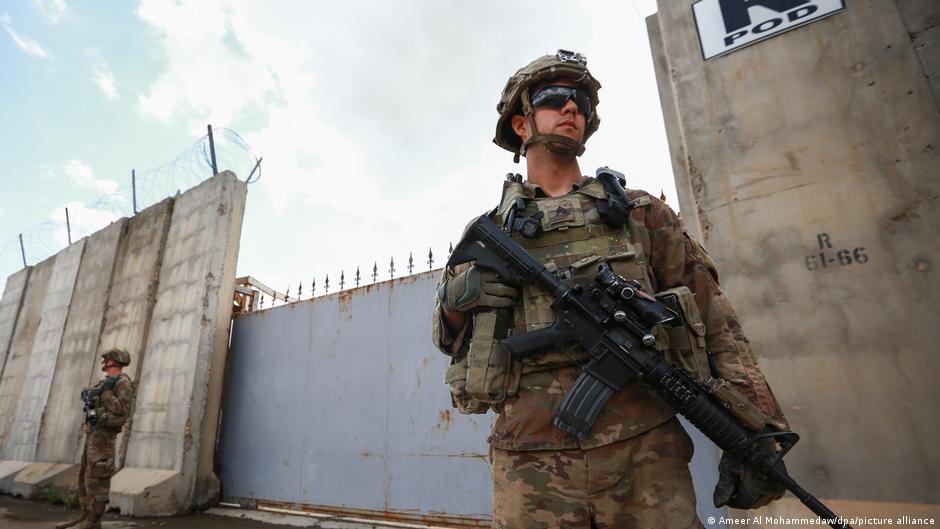
Iraq concluded a long era of foreign military presence on October 1, 2026, when the United States completed the withdrawal of its 2,500 troops from Iraqi territory, in accordance with an agreement signed in 2024. Iraqi Prime Minister Ali Al-Zaidawi described this day as "a new chapter in the history of the Iraqi state, where Iraq will be free from any foreign military presence and achieve sovereignty over its lands."
According to Ranaad Mansour, Deputy Director of the Middle East and North Africa Program at Chatham House, this withdrawal marks the end of a period that lasted over a decade. U.S. forces returned to Iraq in 2014 to combat the Islamic State (ISIS) after their initial withdrawal in 2011. However, Mansour notes that this does not mean the end of U.S.-Iraqi relations, but rather a shift towards economic and defense cooperation.
For his part, Prime Minister of the Kurdistan Region Masrour Barzani expressed concern over the departure of U.S. forces from Erbil, the region's capital, urging Baghdad to provide protection against missile and drone attacks from Iran. According to Yerevan Saied, a fellow at the Atlantic Institute’s Iraq Program, the withdrawal may put Iraq’s ethnic and religious minorities, such as Christians and Yazidis, at risk.
The withdrawal has also led to an extension of the deadline for dismantling non-governmental Iraqi militias, as the Iraqi government earlier announced that these groups would have until June 30, 2027, to surrender their weapons and integrate into the Iraqi military forces. However, Mansour believes that achieving these goals may be difficult given the political fragmentation in Iraq since the 2003 U.S. invasion.
Analysis & context
Analysis & Context
Analytically, the withdrawal of U.S. troops from Iraq marks the end of a long period of U.S. military intervention in the region. This withdrawal reflects broader strategic shifts in U.S. policy towards the Middle East, as the United States seeks to reduce its military presence in the area.
In a broader context, this withdrawal represents a significant shift in Iraq's foreign policy. It is expected that Iraq will seek to strengthen its relationships with the United States in other areas such as economics and trade, while also striving to maintain its political and military independence.
It is worth noting that this withdrawal may leave Iraq more vulnerable to threats from local militias and attacks from Iran. It is also expected to have significant impacts on Iraq’s ethnic and religious minorities, such as the Kurds, Christians, and Yazidis, who may feel anxious about losing the protection offered by U.S. forces.