Sourced fact
The News
Prime Minister of Iraq, Ali al-Zaidawi, announced that the end of September 2026 will mark the end of foreign military presence in the country, signaling the conclusion of a long period of U.S. military presence in Iraq. According to al-Zaidawi, the tenth of October will mark "Independence Day" with a four-day official holiday. According to Chatham House, this event marks the end of a 12-year mission by the United States against ISIS, which began in 2014.
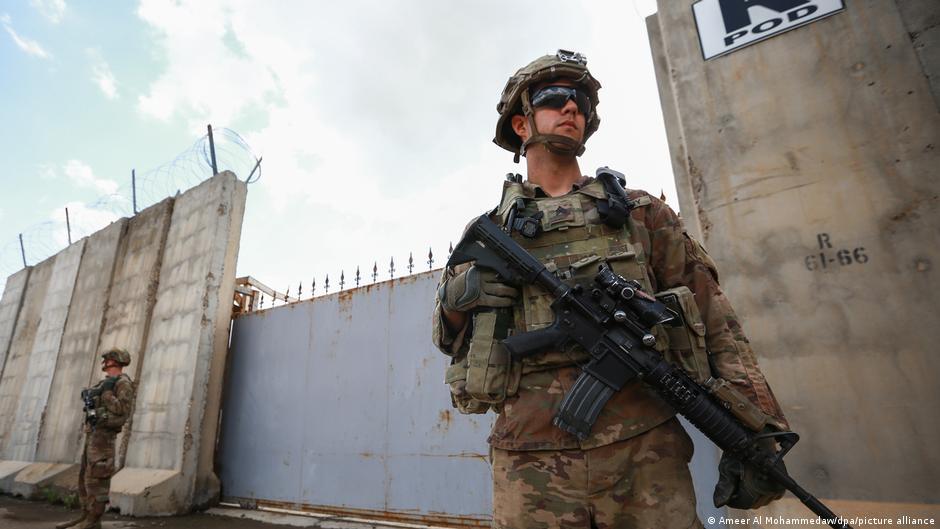
In this context, the United States has completed the withdrawal of its 2,500 troops from Iraq in accordance with an agreement signed in 2024. According to Renad Mansour, Deputy Director of the Middle East and North Africa Program at Chatham House, Baghdad is now seeking to affirm its desire to maintain relations with the United States, fearing that Washington may view Iraq as too close to Iran.
For his part, al-Zaidawi noted that Baghdad has postponed the deadline for the rehabilitation of armed groups within the state to June 30, 2027. However, Mansour sees this delay as expected given the complexities of Iraq's political landscape. He also pointed out that many armed groups may not adhere to the adopted plan, raising concerns about the future of security in the country.
Regarding the Kurdish region, the Kurdistan Regional Government of Iraq expressed concern about the possibility of facing attacks from Iran following the withdrawal of U.S. forces. Yerevan Saied, a non-resident fellow at the Iraq Program at the Atlantic Council, noted that this withdrawal may put ethnic and religious minorities in Iraq at risk, particularly Christian and Yazidi minorities. Saied added that the presence of foreign forces provided protection against central and regional threats, and that this situation may change after October 10.
On the other hand, the U.S. Department of Defense indicated that military relations between the United States and Iraq will shift towards economic and defense cooperation, emphasizing the importance of a safe environment free from terrorist threats. With this, the United States aims to build cooperative relationships with Iraq in other areas beyond military security, including trade and defense cooperation.
Analysis & context
Analysis & Context
From an analytical perspective, this withdrawal is a critical turning point in U.S. policy toward the Middle East. This decision reflects a broader U.S. strategy to reduce its military presence in the region. It also signals changes in U.S.-Iraq relations, where the focus will shift to economic and defense ties rather than direct military support.
In a broader context, this withdrawal raises concerns about Iraq's future security, particularly regarding local militias and threats from Iran. Iranian forces and militias may have a significant impact on Iraq's stability, especially in areas with Kurdish and other ethnic majorities.
It is worth noting that this withdrawal may leave Iraq more vulnerable to security threats from local militias and external threats, particularly amid ongoing tensions between Iran and the United States.