Sourced fact
The News
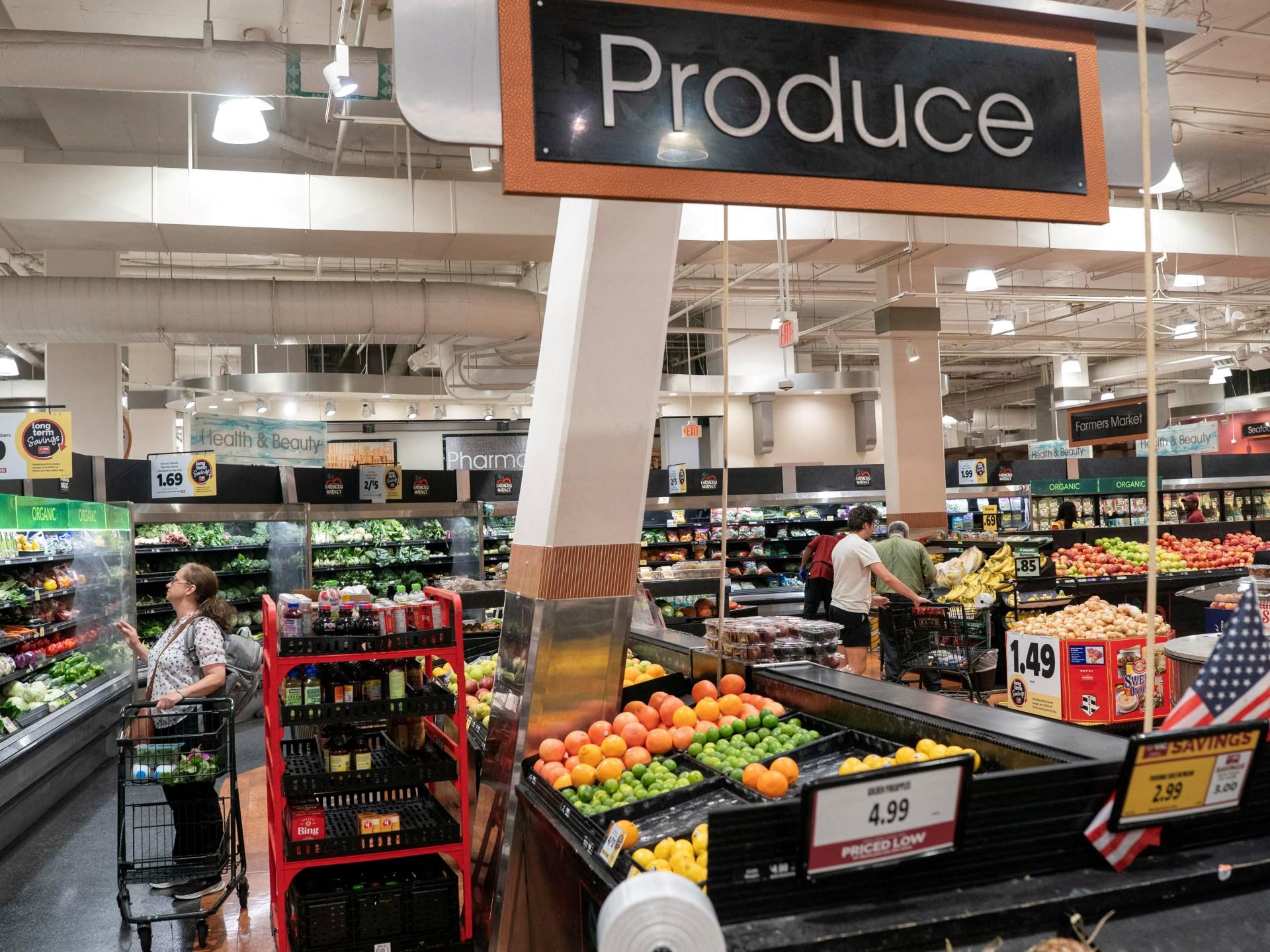
US consumer confidence has dropped to its lowest level since 2014, a month before the midterm elections. According to The Conference Board, the increase in the costs of goods and services was the main reason for this decline. Dana M. Peterson, chief economist at the Conference Board, noted that the Consumer Confidence Index plummeted sharply in September, following two relatively weak months. Peterson also pointed out that oil and gas prices reached new highs, leading to higher fuel costs. These increases in fuel prices significantly impacted consumer confidence, with the average price of a gallon of gasoline rising by 37 cents last month, according to the American Automobile Association (AAA). AAA reported that the price of gasoline was $4.45 per gallon last Tuesday, compared to $4.08 in the previous month. Despite improvements in consumer views on conflicts and wars, these issues continue to cause concern.
At the same time, the Federal Reserve faces significant challenges, raising interest rates for the first time in three years, which increased the costs of loans and credit cards. The Federal Reserve is scheduled to make another decision on interest rates at its upcoming meeting on October 27 and 28, putting pressure on the Republican Party amid widespread deterioration in consumer confidence. According to a Marist poll, 42% of consumers believe the Democratic Party would manage the economy better than the Republican Party, which received 34% approval.
Analysis & context
Analysis & Context
From an analytical perspective, the decline in consumer confidence reflects the state of the US economy and the impact of rising prices on consumers. Rising fuel and basic goods costs are pressuring households' ability to spend, thereby reducing confidence in the economy. In a broader context, this data may influence the Federal Reserve's monetary policy decisions, as it is expected to make another decision on interest rates at its upcoming October meeting. This could also impact the US midterm elections, as voter sentiment is influenced by the state of the economy.