Sourced fact
The News
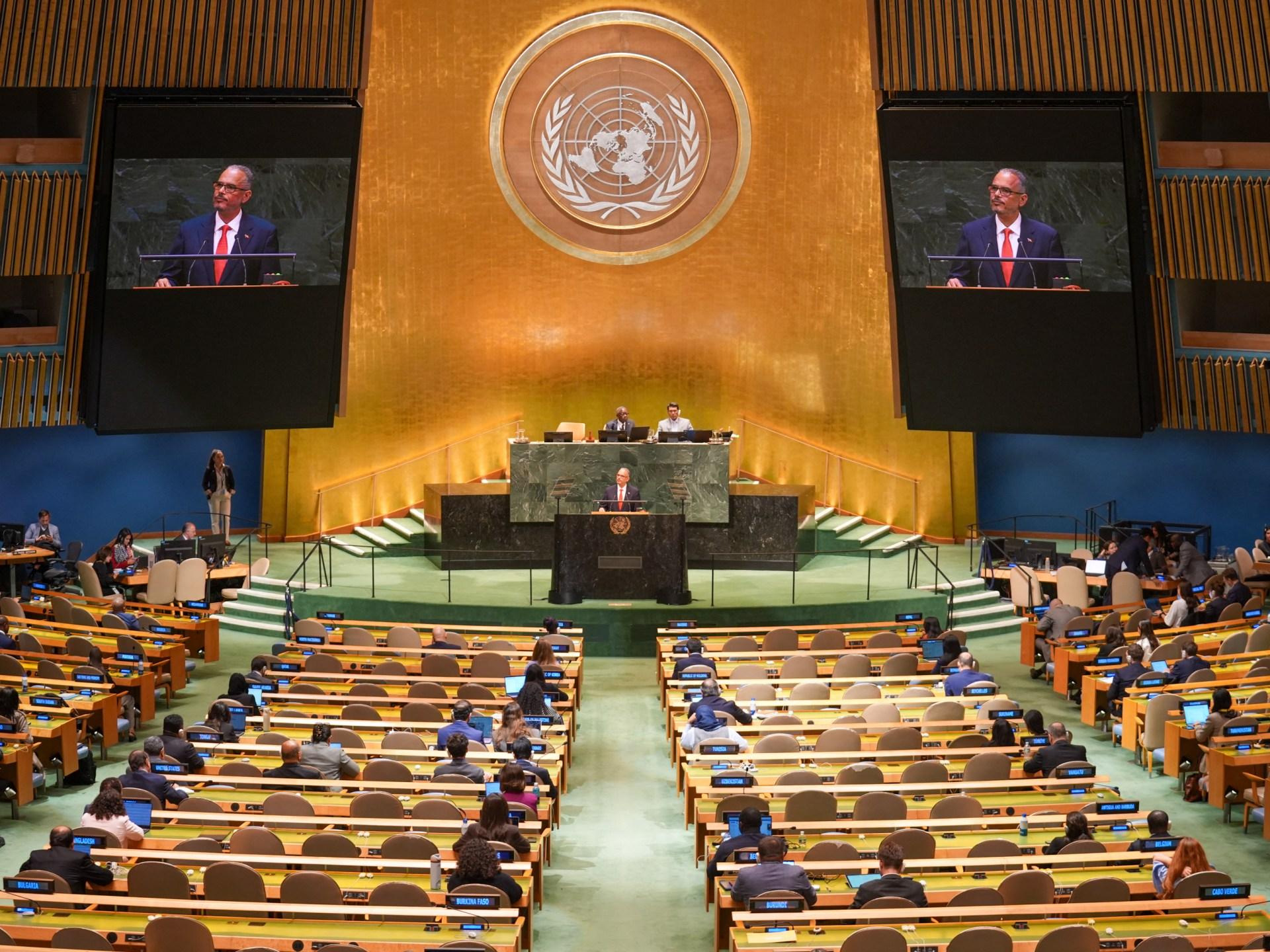
The United Nations has approved extending the mission of the Gang Support Force (GSF) in Haiti for an additional year, in an effort to address the rising security challenges in the country. The UN Security Council voted in favor of extending the GSF mission until the end of March 2027 on Tuesday. Despite China, Russia, and Pakistan abstaining from the vote, they expressed concerns about the effectiveness of this force. Haiti is witnessing a growing wave of violence perpetrated by gangs, with most of the capital, Port-au-Prince, under the control of organized criminal groups.
Mike Wootz, the US Ambassador to the UN, noted that the current force comprises approximately 1,500 soldiers, with another 4,000 soldiers expected to arrive in the coming months. Wootz stated, "Seven operations have been deployed to the country over the past decades, and success has been limited." He added that the current force is operating at only 30% of its planned full capacity.
This initiative has raised concerns about potential violations stemming from previous international interventions in Haiti. Haiti's request for international security assistance dates back to 2022 and is considered necessary for conducting national elections. Haiti has experienced repeated delays in holding national elections, with no democratic elections having taken place in over a decade. The Haitian government collapsed following the assassination of President Jovenel Moïse in 2021, leading to a leadership vacuum in the country.
Since then, the influence of gangs has expanded in the country, resulting in a wave of violence and forced displacement. Gang violence has displaced more than 1.5 million people from their homes. During the period between April and June alone, the UN documented 1,408 killings and 650 injuries due to gang violence. On the day of the vote, gangs killed 11 people and burned homes and buildings in the Arthibonite region in retaliation for the killing of three of their members by GSF forces.
Analysis & context
Analysis & Context
Analytically, the decision to extend the GSF mission faces significant challenges in achieving its objectives. Gang violence in Haiti continues unabated, with criminal groups controlling large swathes of the capital, Port-au-Prince. This violence has led to the displacement of more than 1.5 million people from their homes, exacerbating the humanitarian crisis in the country.
In a broader context, Haiti has faced multiple political and economic challenges since the assassination of President Jovenel Moïse in 2021, leading to a leadership vacuum in the country. This vacuum has fueled the power of gangs, which have exploited the political and economic instability to expand their influence.
It is also worth noting that the UN previously deployed forces to support the Haitian National Police, but this mission was suspended in April due to a lack of personnel and funding. This suggests that the current GSF mission may face similar challenges, raising concerns about its effectiveness in stabilizing the country.