Sourced fact
The News
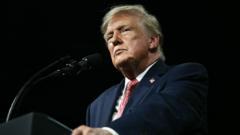
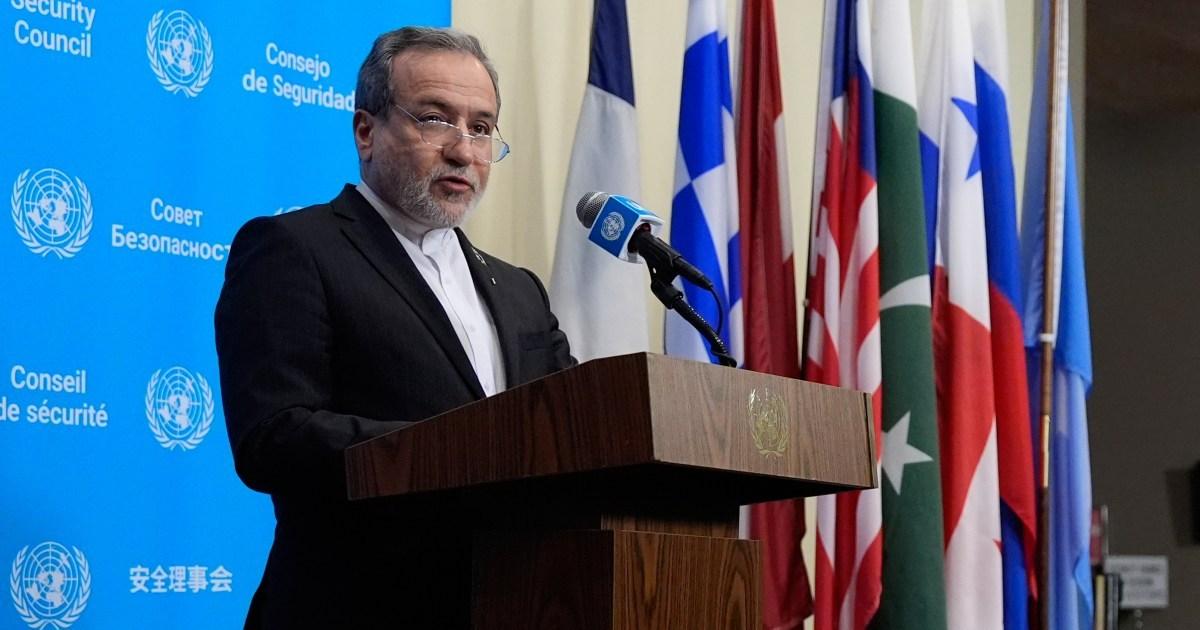
Unofficial talks between the United States and Iran have continued in an effort to end the seven-month conflict, but both sides remain at odds over the agenda. Iranian Foreign Minister Abbas Araqchi arrived in New York on Monday to hold talks with Qatari mediators regarding the reopening of the Strait of Hormuz. Araqchi noted that the discussions focus exclusively on this issue. He told Iran's state TV channel IRIB that he had not received a formal response from the United States to Iran's proposal to reopen the strait, despite U.S. President Donald Trump's public rejection of the proposal.
According to U.S. officials, the U.S. seeks a comprehensive agreement addressing all outstanding issues, including Iran's nuclear program, in a single step, rather than adopting a gradual approach. However, the Trump administration has denied U.S. media reports suggesting that the president is prepared to lift sanctions and unfreeze Iranian assets.
Araqchi clarified that Iran's position has not changed and that it is still awaiting a formal response from the United States through Qatari mediators. According to a study published by the journal The Lancet Global Health, U.S. sanctions have led to more than 564,250 annual global deaths. Iran argues that economic sanctions constitute an "economic war" affecting the lives of Iranians and their right to healthcare and medication.
Professor Scott Lewis from Dublin University stated that the Trump administration wants Iran to abandon all its demands before entering into further talks. Additionally, Lewis noted that control over the Strait of Hormuz has become a major point of contention between the two sides, with Iran seeking to reopen the strait and lift sanctions before addressing other issues such as the nuclear program.
Analysis & context
Analysis & Context
Analytically, the talks between the United States and Iran face significant challenges due to differences in positions. Iran insists on reopening the Strait of Hormuz as the first step, while the U.S. wants to resolve all issues related to Iran's nuclear program in one go. This divergence in positions hinders progress towards a peaceful resolution.
In a broader context, economic sanctions play a crucial role in the relationship between the two countries. U.S. sanctions on Iran have worsened economic conditions in the country, negatively impacting people's access to medicine and healthcare. Iran is striving to lift sanctions as a first step before discussing other issues such as the nuclear program.
It is also worth noting that Iran views the reopening of the Strait of Hormuz as part of its national security. In the absence of an agreement, tensions between the two countries may persist, affecting regional security and the global economy.