Sourced fact
The News
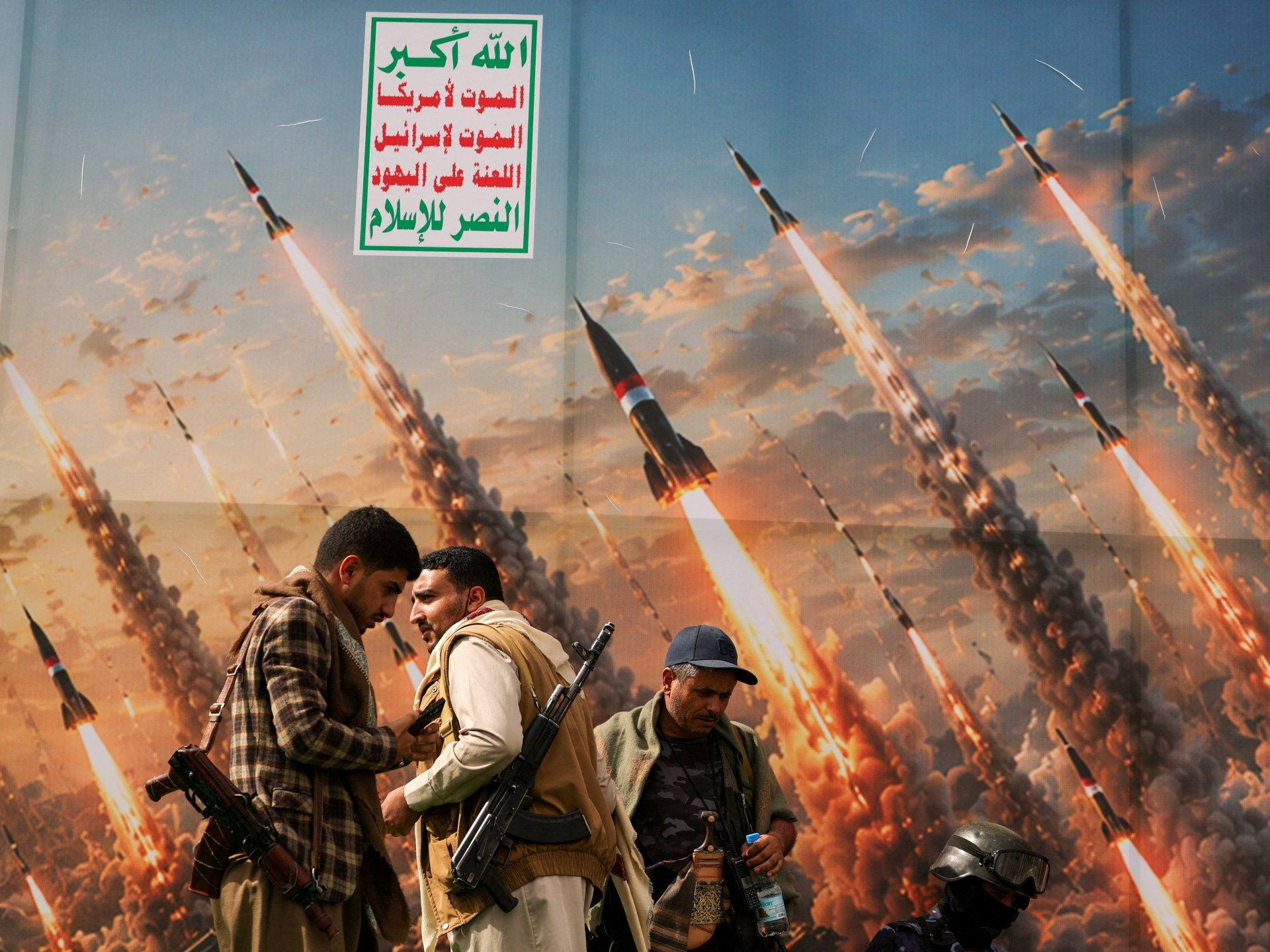
Militant Houthi groups allied with Iran have made significant strategic gains in Yemen, drawing attention to Iran's role in the war. Recent American reports indicate that the Islamic Revolutionary Guard Corps (IRGC) of Iran assisted in directing an attack in western Yemen, leading to the consolidation of Houthi control over the Bab al-Mandeb Strait and the city of Mocha. According to unnamed officials and soldiers, Iran provided military and logistical support to the Houthis, including strategic guidance and intelligence analysis.
President Moshadi Beyshihan, in an interview with Al Jazeera, affirmed that Iran does not direct the Houthis and called on Saudi Arabia and the Houthis to negotiate to end the war. However, Beyshihan noted Iran's readiness to help resolve the long-standing conflict. In response to American accusations, Iran strongly denied using the Houthis as a tool.
In July, an Iranian passenger plane attempted to land at Sanaa International Airport, which is controlled by the Houthis, but it was diverted after pro-Riyadh forces attacked the airport. Iran announced that the plane carried a Houthi delegation returning from Ayatollah Khomeini's funeral and patients returning from treatment in Iran. Nevertheless, Houthi sources denied the presence of any IRGC elements aboard the aircraft.
Since September, intelligence reports have shown that the Houthis have evolved from a local armed group into a powerful military force, thanks to Iranian support. According to a Yemeni expert, Iran provides advice and logistical support to the Houthis but does not fully control them. Despite the retreat of Yemeni government forces in some areas, they are fortifying strategic high grounds around Taez and Lahj, limiting the Houthis' potential for rapid new advances.
Analysis & context
Analysis & Context
Analytically, Iran's role in Yemen is part of a broader strategy to expand its regional influence. Iran aims to use the Houthis to exert pressure on Saudi Arabia and the United States, particularly amid ongoing tensions over the Strait of Hormuz. In a wider context, Iran faces increasing challenges in securing its critical maritime passages, raising concerns about the possibility of a military escalation.
Meanwhile, the Houthis continue to expand their influence in Yemen, benefiting from regional alliances and logistical support. This expansion raises international concerns about potential security threats in the Bab al-Mandeb Strait, a vital waterway for global trade.
Politically, regional countries like Pakistan and Turkey are maintaining distance from the conflict while preserving their relations with Saudi Arabia. This reflects the complexities of regional relations and efforts to balance competing interests.